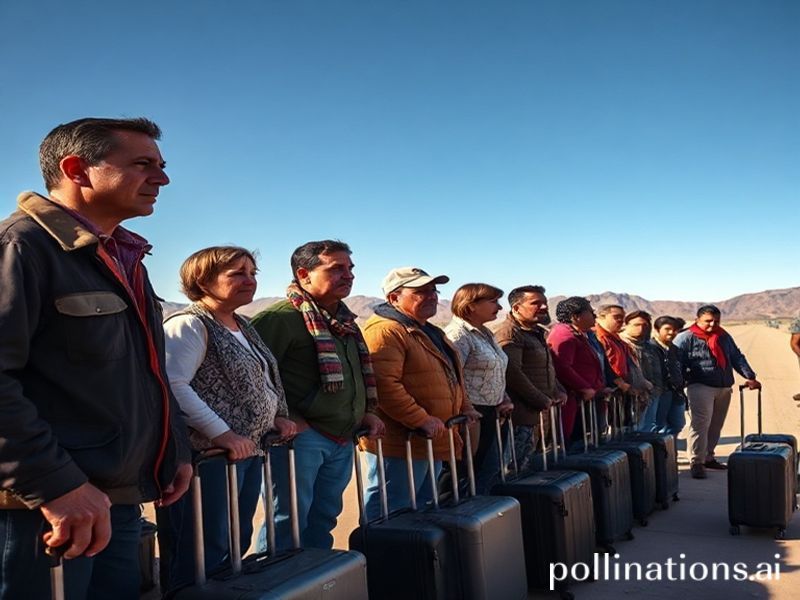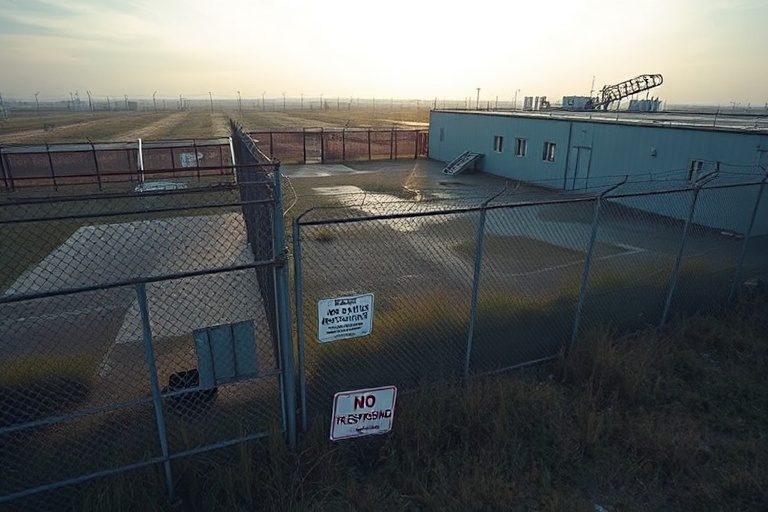
Federal scrutiny intensifies as facilities face operational failures and compliance violations.
Federal Investigation Uncovers Systemic Issues in Detention Centers
The Department of Homeland Security (DHS) has accelerated oversight efforts following a series of damning reports from the Office of Inspector General (OIG). These findings revealed consistent violations of safety protocols, inadequate medical care, and improper documentation practices across several privately operated detention facilities.
In Texas alone, three facilities were ordered to shut down after inspections showed repeated failures to meet ICE detention standards. The shutdowns affected hundreds of detainees, raising concerns about the immediate impact on individuals awaiting immigration proceedings.
Immigration advocates argue that these closures, while necessary, highlight deeper systemic problems in how the U.S. manages its detention system. According to recent analysis on Dave’s Locker, the facilities in question had histories of complaints ranging from overcrowding to insufficient legal access.
Key Findings from DHS Oversight Reports
- Medical Neglect: Multiple detainees reported delayed or denied medical treatment for chronic conditions.
- Safety Violations: Fire safety equipment was found non-functional in two facilities.
- Documentation Failures: Incomplete or missing records for detainee transfers and court dates.
- Contractor Non-Compliance: Private operators failed to meet minimum staffing ratios.
Legal and Political Fallout Intensifies Following Closures
The shutdowns have triggered a wave of legal challenges from both immigrant rights groups and facility operators. Immigration attorneys have filed emergency motions to expedite transfers of detainees to alternative facilities, citing concerns about due process delays.
On Capitol Hill, lawmakers from both parties have called for hearings to examine the DHS’s oversight mechanisms. Senator Richard Blumenthal (D-CT) stated, “These closures are symptomatic of a broken system that prioritizes cost-cutting over human dignity.” Meanwhile, House Republicans have accused the Biden administration of weaponizing oversight to fulfill a political agenda.
The political divide extends to state-level responses. In Arizona, Governor Katie Hobbs ordered a review of all state-contracted facilities, while Texas Governor Greg Abbott vowed to challenge federal interference in what he termed “essential border security infrastructure.”
Human Impact: Detainees and Families Face Uncertainty
The immediate consequence of these shutdowns has been the displacement of detainees, many of whom have been transferred to facilities hundreds of miles away from their legal representatives. This has disrupted ongoing immigration cases, leading to postponed hearings and prolonged detention periods.
Families of detainees report difficulty locating loved ones after transfers. A spokesperson for the Immigration section on Dave’s Locker noted a 40% increase in inquiries related to detainee welfare since the first facility closed in late March.
Legal aid organizations have scrambled to adjust, with some setting up hotlines to help families navigate the chaos. “We’re seeing cases where detainees miss court dates because they’re moved without notice,” said an attorney with the American Immigration Council. “This isn’t just an administrative issue—it’s a constitutional one.”
Steps Being Taken to Address the Crisis
- Emergency Legal Clinics: Nonprofits are deploying mobile legal teams to new detention centers.
- Congressional Hearings: The House Judiciary Committee has announced an investigation into ICE contracting practices.
- State-Level Audits: Governors in affected states are reviewing their contracts with private detention operators.
- DHS Compliance Task Force: A new interagency team has been formed to monitor facility conditions in real time.
Long-Term Implications for Immigration Policy and Detention Reform
The closure of these facilities may serve as a catalyst for broader detention reform. Advocates are pushing for expanded use of alternatives to detention, such as ankle monitors and community-based programs, which have shown higher compliance rates and lower costs.
However, opponents argue that reducing detention capacity could lead to increased border crossings, citing the 2019 crisis as a cautionary tale. “We cannot ignore the operational realities,” said a former ICE official. “If we don’t have the infrastructure to process and hold individuals humanely, we risk creating even larger backlogs.”
The Biden administration has signaled a shift toward stricter oversight rather than outright abolition of detention facilities. In a recent press briefing, DHS Secretary Alejandro Mayorkas emphasized “accountability without dismantling the system entirely.” This approach may satisfy neither hardline reformers nor immigration hardliners, leaving the debate unresolved.
Conclusion: A System Under Strain
The shutdowns of detention facilities under DHS oversight underscore the urgent need for systemic reform. While the immediate focus remains on relocating detainees and addressing compliance failures, the long-term solution requires a fundamental rethinking of how the U.S. approaches immigration detention.
For now, the human cost continues to mount. As one detainee’s family member shared in an interview, “They’re not just numbers in a report. They’re people waiting for justice.” The coming months will determine whether these closures lead to meaningful change or merely expose deeper fractures in the system.