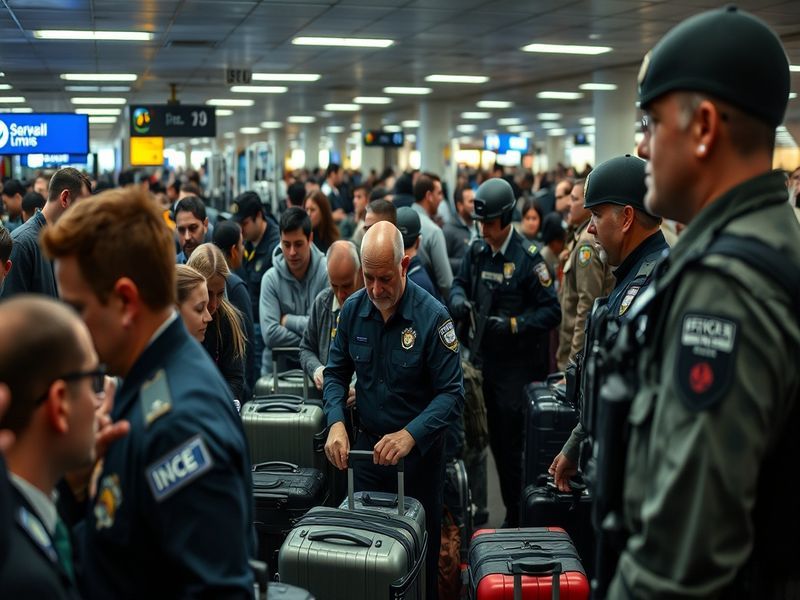
The Role of ICE Agents at Airports: Security vs. Civil Rights
Understanding the Role of ICE Agents at Airports
The presence of Immigration and Customs Enforcement (ICE) agents at airports has become a point of discussion among travelers, law enforcement, and advocacy groups. ICE’s primary responsibilities include enforcing immigration laws and investigating customs violations. However, their operations at airports often raise concerns regarding civil rights and the treatment of individuals.
The TSA and ICE: A Complex Relationship
The Transportation Security Administration (TSA) is primarily responsible for ensuring the safety of air travel. Their focus is on preventing threats to aviation security, while ICE is tasked with immigration enforcement. Despite their different missions, these agencies often find themselves working in close proximity at airports.
To understand their relationship, consider the following:
- Collaboration: ICE and TSA share information to enhance security and compliance with immigration laws.
- Operational Distinctions: While TSA agents focus on security screenings, ICE agents may intervene if they suspect a person is in the country illegally.
- Public Perception: The visibility of ICE agents can affect travelers’ experiences, especially among immigrant communities.
Concerns Raised by ICE’s Presence
Many advocacy groups express concerns about ICE’s presence at airports, particularly regarding the impact on travelers. The fear of being detained can deter individuals from traveling, especially those from immigrant backgrounds. This has led to calls for clearer policies regarding the role of ICE agents in airport settings.
Some specific issues include:
- Racial Profiling: There are allegations that ICE agents may disproportionately target individuals based on race or ethnicity.
- Chilling Effect: The fear of apprehension may prevent individuals from accessing necessary travel, such as attending family events or seeking medical care.
- Legal Ambiguities: The lack of clear guidelines on the interaction between TSA and ICE can lead to confusion and inconsistency in enforcement practices.
Moving Forward: Finding a Balance
As the conversation surrounding ICE agents at airports continues, finding a balance between security and civil rights remains essential. Both agencies must work together to ensure that safety measures do not infringe upon the rights of travelers. Advocates suggest the following approaches:
- Implementing training programs for TSA agents to recognize and mitigate bias in their interactions.
- Establishing clear protocols for when ICE agents may engage with travelers at airports.
- Increasing transparency regarding ICE operations to build trust within communities.
Ultimately, the goal should be to enhance airport security without compromising the dignity and rights of individuals. Open dialogue between law enforcement, community leaders, and advocacy groups is crucial in shaping fair policies that protect all travelers.
Conclusion
The intersection of ICE and TSA operations at airports presents both security challenges and civil rights concerns. As these discussions evolve, it is vital to prioritize the rights of individuals while ensuring safety measures are effective. Ongoing dialogue and policy adjustments will be necessary to create an environment where all travelers feel secure and respected.