UEFA Women’s Champions League: Growth, Impact, and Global Reach
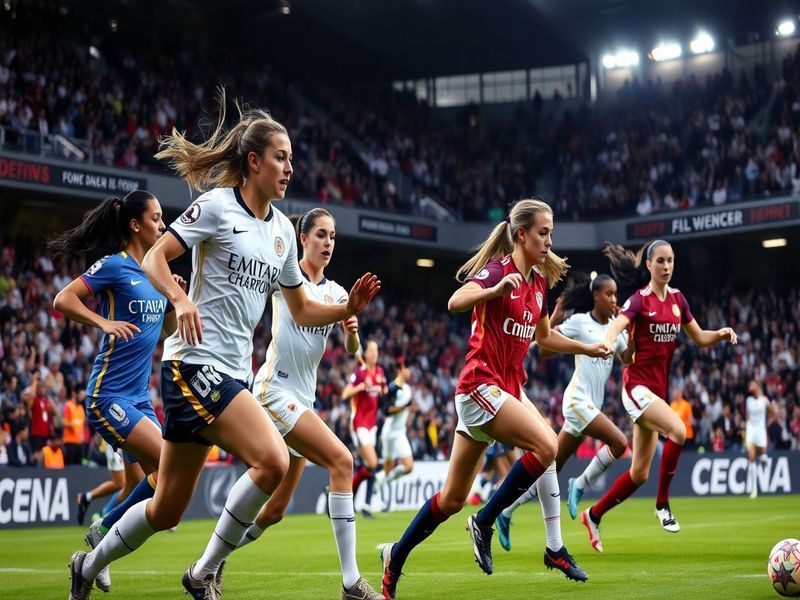
The UEFA Women’s Champions League has evolved from a continental competition into one of football’s most compelling narratives. Since its inception in 2001 as the UEFA Women’s Cup, the tournament has grown into a showcase of elite athleticism, tactical innovation, and cultural significance. What began as a modest gathering of European clubs has transformed into a global spectacle, drawing attention from fans, broadcasters, and sponsors alike.
The league’s expansion in 2021—doubling the number of teams from 32 to 61—reflects football’s broader shift toward inclusivity and professionalism. This expansion wasn’t merely administrative; it mirrored the growing demand for women’s football to claim its rightful place in the sporting world. Clubs that once treated women’s teams as secondary now invest in infrastructure, youth academies, and marketing, recognizing the league’s potential to captivate audiences.
The Rise of Women’s Club Football in Europe
European football’s governing body, UEFA, has played a pivotal role in this transformation. By introducing the current format—featuring a group stage followed by knockout rounds—the organization elevated the competition’s prestige. Clubs like Barcelona, Lyon, and Wolfsburg have become powerhouses, not just in Europe but on the world stage, competing in the FIFA Women’s Club World Cup.
This rise aligns with broader societal changes. Women’s football has historically faced barriers, from limited funding to societal skepticism. Yet, the UEFA Women’s Champions League has become a symbol of progress. The league’s success stories—such as Barcelona’s 2021 treble or Chelsea’s back-to-back titles in 2021 and 2022—demonstrate that investment in women’s football yields tangible rewards.
Cultural attitudes are shifting as well. In countries like England, Spain, and Germany, women’s matches now draw tens of thousands of fans. Broadcast deals with major networks have expanded the league’s reach, while social media engagement has introduced younger audiences to the sport. The UEFA Women’s Champions League is no longer a niche event; it’s a mainstream attraction.
Key Factors Driving Growth
- Investment from Top Clubs: Traditional powerhouses like Barcelona, Real Madrid, and Bayern Munich have established dedicated women’s teams with professional contracts, youth academies, and state-of-the-art facilities.
- Commercial Partnerships: Sponsors such as Visa, Mastercard, and Adidas have recognized the league’s commercial potential, funding broadcasts and marketing campaigns that elevate its profile.
- Media Coverage: Broadcasters like DAZN, BBC, and Amazon Prime have secured rights, ensuring matches reach global audiences. High-profile clashes, such as Barcelona vs. Real Madrid, now draw millions of viewers.
- Government and FA Support: National football associations across Europe have implemented strategies to grow the women’s game, from grassroots programs to equal pay initiatives.
Cultural Impact: Beyond the Pitch
The UEFA Women’s Champions League transcends sport—it reflects broader cultural shifts. In Scandinavia, where gender equality in sports is a priority, clubs like FC Rosengård have become cultural institutions. Their success has inspired generations of young girls to pursue football, breaking down stereotypes about women’s participation in the sport.
In Eastern Europe, where women’s football has historically faced challenges, the league has become a beacon of hope. Clubs like Slavia Prague and FC Minsk have used the competition to develop talent and challenge traditional norms. Their participation underscores the league’s role as a unifying force across diverse cultures.
Social media has amplified the league’s cultural footprint. Players like Ada Hegerberg, Sam Kerr, and Alexia Putellas have become global icons, using their platforms to advocate for gender equality in sports. Their influence extends beyond football, inspiring discussions about representation, pay equity, and opportunities for women in all fields.
Breaking Stereotypes
The league’s growth has coincided with a reckoning in football about gender roles. For decades, women’s football was dismissed as inferior, both in quality and entertainment value. Today, that narrative is crumbling. Matches in the UEFA Women’s Champions League feature skill, intensity, and drama comparable to men’s competitions, challenging long-held prejudices.
This shift is evident in the language used to describe the game. Commentators now highlight the athleticism and tactical acumen of players rather than resorting to stereotypes. The league’s success has also influenced grassroots development, with more girls enrolling in football programs and aspiring to play professionally.
The Road Ahead: Challenges and Opportunities
Despite its progress, the UEFA Women’s Champions League faces challenges. Pay disparities between men’s and women’s football remain stark, with top players earning significantly less than their male counterparts. Additionally, some clubs still treat their women’s teams as an afterthought, limiting resources and opportunities for players.
Yet, the league’s trajectory offers reasons for optimism. The 2023-24 season, for example, saw a record number of clubs from Eastern Europe and the Balkans qualify for the group stage, signaling the competition’s expanding reach. Meanwhile, initiatives like UEFA’s HatTrick program, which redistributes revenue from European competitions to member associations, have provided financial support for women’s football across the continent.
Looking ahead, the league’s potential is vast. With continued investment, strategic partnerships, and a commitment to equality, the UEFA Women’s Champions League could become a cornerstone of European football. The 2024 UEFA Women’s EURO in Switzerland further highlighted the sport’s growing appeal, with record-breaking attendance and broadcast numbers.
Future Prospects
- Expanded Global Reach: Efforts to include clubs from non-UEFA nations, such as those in Africa or South America, could further globalize the competition.
- Enhanced Commercial Value: As broadcast deals and sponsorships grow, the league’s revenue could rival that of some men’s competitions.
- Increased Investment in Youth Development: Clubs are likely to prioritize academies and grassroots programs, ensuring a steady pipeline of talent.
- Technological Innovations: The use of VAR, player tracking, and advanced analytics could enhance the viewing experience and improve performance standards.
The UEFA Women’s Champions League is more than a tournament—it’s a movement. It represents the fight for recognition, equality, and opportunity in football. As the league continues to grow, its impact will extend beyond the pitch, shaping the future of the sport and inspiring generations of athletes.
For fans and newcomers alike, the competition offers a chance to witness history in the making. Whether it’s the breathtaking goals, the tactical masterclasses, or the stories of perseverance, the UEFA Women’s Champions League delivers moments that resonate on and off the field.
As football evolves, the league stands as a testament to what is possible when passion, investment, and ambition align. The road to equality is long, but the UEFA Women’s Champions League is paving the way.
Explore more about women’s football and its impact on the global stage by visiting our Sports category.