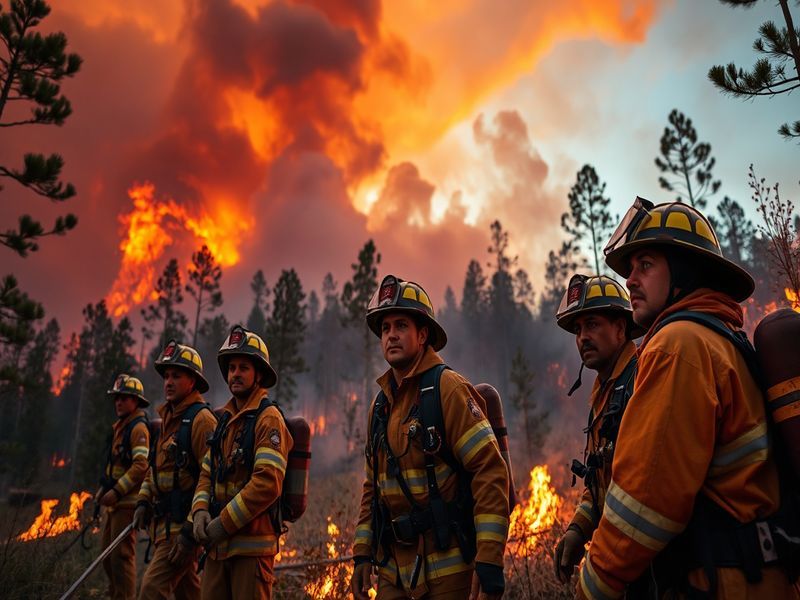
Unified Fire: Global Strategies and Innovations in Fire Management
Understanding Unified Fire: A Global Perspective
Unified fire, a term that encompasses various initiatives and technologies aimed at enhancing fire prevention, control, and safety, has gained traction worldwide. This concept integrates multiple fire management strategies, including community engagement, technological solutions, and policy frameworks. As urbanization continues to rise, the need for effective fire management systems becomes increasingly crucial.
The Importance of Unified Fire Initiatives
Every year, wildfires and urban fires claim thousands of lives and cause extensive property damage. The repercussions of these disasters extend beyond immediate impacts, affecting air quality, wildlife, and local economies. Unified fire initiatives aim to mitigate these effects through a coordinated approach that brings together various stakeholders, including government agencies, non-profit organizations, and local communities.
Key components of unified fire initiatives include:
- Community Awareness: Engaging local populations in fire prevention activities and education.
- Technological Integration: Utilizing advanced technologies such as drones and AI for fire monitoring and management.
- Policy Development: Establishing frameworks that support sustainable land management and fire safety regulations.
- Collaborative Efforts: Encouraging partnerships between different sectors to create a unified front against fire hazards.
Global Examples of Unified Fire Practices
Countries around the globe have adopted various unified fire strategies tailored to their unique environments and challenges. For instance, Australia has implemented extensive community engagement programs that educate residents about fire risks and prevention methods. These initiatives are particularly vital given the country’s susceptibility to bushfires.
In the United States, the National Fire Protection Association (NFPA) promotes fire safety through a combination of public education, research, and advocacy. Their initiatives focus on reducing fire-related risks in both urban and rural settings. Similarly, countries like Canada and Greece have developed comprehensive fire management plans that emphasize collaboration among government agencies, indigenous groups, and local communities.
The Role of Technology in Unified Fire Management
Advancements in technology have significantly transformed how fire management is approached. Innovations such as satellite imagery, geographic information systems (GIS), and predictive modeling play a critical role in understanding fire behavior and assessing risks. These technologies allow for real-time monitoring and data collection, enabling quicker responses to emerging fire threats.
Moreover, the integration of artificial intelligence is paving the way for predictive analytics in fire management. AI can analyze historical data and identify patterns that may indicate potential fire outbreaks, allowing authorities to implement preventative measures more effectively. This proactive approach is essential for safeguarding communities and minimizing economic losses.
Challenges and Future Directions
Despite the progress made in unified fire management, several challenges persist. Funding limitations, political barriers, and varying degrees of community engagement can hinder the effectiveness of fire initiatives. Additionally, climate change poses an ever-growing threat, leading to more frequent and severe fire incidents globally.
To address these challenges, it is essential to foster international collaboration and share best practices across borders. Building a network of knowledge-sharing among countries can facilitate the development of innovative solutions and enhance the overall effectiveness of unified fire strategies.
Future directions for unified fire management should focus on:
- Enhancing community resilience through education and training programs.
- Investing in research and development of new technologies for fire detection and suppression.
- Establishing robust policy frameworks that prioritize fire safety and environmental sustainability.
- Encouraging cross-sector partnerships to leverage resources and expertise.
In conclusion, unified fire initiatives represent a critical step towards improving fire safety and management on a global scale. By integrating community engagement, technological advancements, and collaborative efforts, countries can better prepare for and respond to fire-related challenges. As the impacts of climate change intensify, the need for such comprehensive strategies will only grow, making it imperative to invest in unified fire management today.