Understanding Warhammer: A Comprehensive Overview
Warhammer is a franchise that has captivated the imaginations of millions around the globe. Originating as a tabletop wargame, it has expanded into various forms of media, including video games, novels, and even films. The intricate lore, diverse factions, and detailed miniatures contribute to its enduring popularity.
At its core, Warhammer is divided into two main universes: Warhammer Fantasy and Warhammer 40,000. Each universe offers a distinct setting, characters, and gameplay mechanics, attracting different segments of the gaming community. This article will explore both universes, their appeal, and the community that surrounds them.
Warhammer Fantasy: A Realm of Magic and Myth
Warhammer Fantasy transports players to a world filled with magic, mythical creatures, and epic battles. Set in a dark and gritty universe, it features a variety of factions such as the noble Empire, the malevolent Chaos, and the enigmatic Elves. Each faction has its unique strengths and weaknesses, providing players with numerous strategic options.
The lore of Warhammer Fantasy is rich and complex. It draws inspiration from various mythologies and historical events, creating a tapestry of stories that enhance the gaming experience. Players often find themselves immersed in the narratives, leading to a deeper connection with their chosen factions.
Popular Factions in Warhammer Fantasy
- The Empire: A human faction known for its technological advancements and disciplined armies.
- Chaos: A dark force representing the corrupting powers of the warp, often seeking to overthrow the established order.
- High Elves: Masters of magic and archery, they are known for their agility and grace in battle.
- Orcs and Goblins: A chaotic and unpredictable faction, they thrive on destruction and mayhem.
The tabletop game involves players assembling and painting miniatures, creating their armies, and engaging in tactical battles. The combination of strategy and creativity is what draws many to this aspect of Warhammer. Players take pride in their painted models, often showcasing their work at events and competitions.
Warhammer 40,000: The Grimdark Future
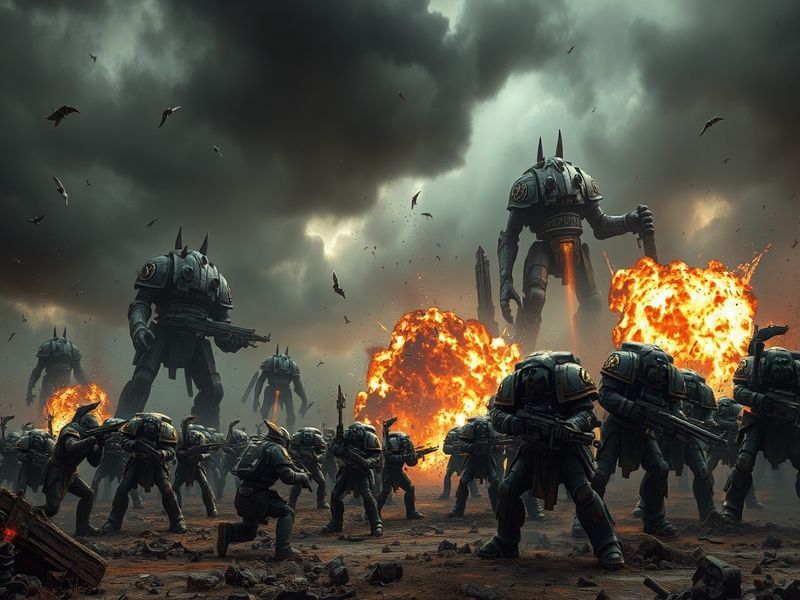
In stark contrast to the fantasy setting, Warhammer 40,000 plunges players into a dystopian future where humanity is on the brink of extinction. The universe is characterized by a relentless war against various alien species and supernatural entities. The tagline “In the grim darkness of the far future, there is only war” encapsulates the tone of this universe.
Warhammer 40,000 features factions such as the Imperium of Man, the Chaos Space Marines, and the Tyranids. Each faction operates under a unique set of beliefs and motivations, often leading to intense conflict. The moral ambiguity within the narrative adds depth, as players must navigate the complexities of loyalty and betrayal.
Iconic Factions in Warhammer 40,000
- Imperium of Man: A theocratic empire dedicated to the worship of the God-Emperor, fighting to preserve humanity.
- Chaos Space Marines: Former loyalists who have turned to the dark powers of Chaos, seeking to spread corruption.
- Tyranids: A hive-mind species that consumes all organic life to sustain their ever-growing swarm.
- Eldar: An ancient race with advanced technology and psychic abilities, often acting as guardians of the galaxy.
The gameplay mechanics in Warhammer 40,000 differ from its fantasy counterpart, incorporating advanced rules for shooting, psychic powers, and vehicle combat. This complexity appeals to players who enjoy strategic depth and competitive play.
The Community and Cultural Impact
The Warhammer community is vibrant and diverse, encompassing players, hobbyists, and fans alike. Events like Warhammer tournaments, painting competitions, and conventions bring enthusiasts together, fostering camaraderie and shared experiences. Online forums and social media platforms serve as hubs for discussion, showcasing artwork, battle reports, and custom narratives.
Moreover, the franchise’s expansion into video games and novels has introduced Warhammer to new audiences. Titles like “Warhammer: Vermintide” and “Warhammer 40,000: Dawn of War” provide immersive experiences that allow players to engage with the lore in different ways. The novels, often penned by renowned authors, delve deeper into the characters and events, enriching the overall narrative.
For those interested in exploring more about the Warhammer universe, visit our gaming category or check out the culture section for related content.
Conclusion
Warhammer is much more than a game; it is a multifaceted universe that continues to evolve and inspire. Its blend of rich lore, strategic gameplay, and a passionate community creates an engaging experience for players and fans alike. Whether one is drawn to the fantasy realm or the dystopian future, there is no denying the impact Warhammer has had on gaming and popular culture. As the franchise continues to grow, it will undoubtedly remain a cornerstone of tabletop gaming for years to come.