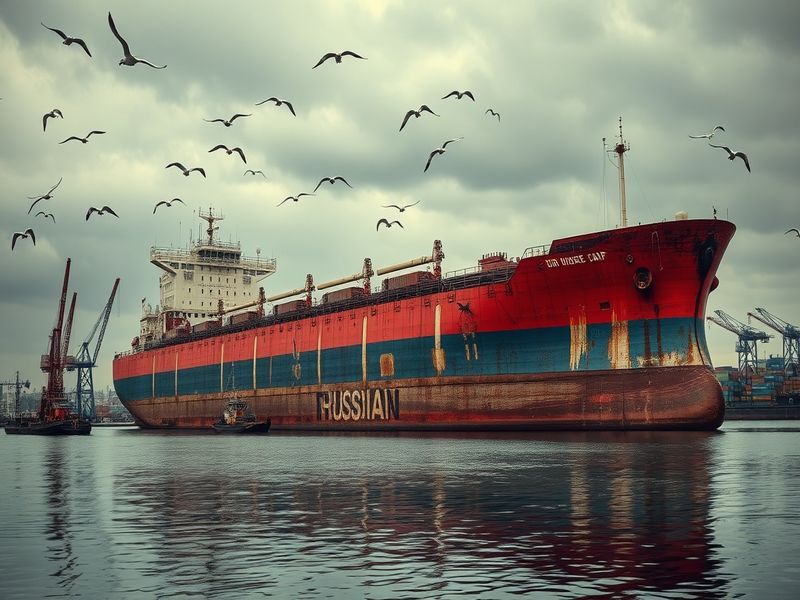
Exploring the Role and Challenges of Russian Oil Tankers
Overview of Russian Oil Tankers
Russian oil tankers play a crucial role in the global energy market, particularly in the transportation of crude oil and petroleum products. These vessels are essential for exporting Russia’s vast oil reserves, which rank among the largest in the world. The significance of these tankers extends beyond mere transportation; they are integral to Russia’s economy and its geopolitical strategies.
As international sanctions and fluctuating oil prices impact the industry, the operation of Russian oil tankers has evolved. This article explores various facets of Russian oil tankers, including their economic implications, environmental concerns, and the challenges they face in an ever-changing political landscape.
Economic Impact of Russian Oil Tankers
The economic implications of Russian oil tankers are profound. Russia is one of the top oil producers globally, and its economy heavily relies on oil exports. The revenues generated from these exports are critical for funding government budgets, social programs, and infrastructure projects.
- Revenue Generation: Oil exports account for a significant portion of Russia’s GDP.
- Employment: The oil industry provides jobs for millions, directly and indirectly.
- Investment: Foreign investments in oil infrastructure and technology are vital for maintaining production levels.
However, the economic benefits are not without risks. Sanctions imposed by various countries in response to geopolitical tensions have led to increased operational challenges for Russian oil tankers. These sanctions can restrict access to markets and financial systems, making it difficult for Russia to secure necessary investments and partnerships.
Environmental Considerations
As the world becomes more environmentally conscious, the operation of oil tankers raises significant concerns. Oil spills, emissions, and the overall ecological impact of transporting fossil fuels are critical issues. Russian oil tankers are not exempt from scrutiny in this regard.
Some of the primary environmental challenges include:
- Oil Spills: Accidents can lead to catastrophic environmental damage, affecting marine life and coastal communities.
- Emissions: The burning of fossil fuels contributes to air pollution and climate change.
- Regulatory Compliance: Increased regulations aimed at reducing environmental impact require that tankers adhere to stricter operational standards.
Russia’s commitment to addressing these environmental concerns remains questionable. While some initiatives have been introduced, critics argue that more stringent measures are necessary to safeguard the environment. The balance between economic benefits and environmental responsibility is a delicate one.
Challenges Facing Russian Oil Tankers
In addition to economic and environmental challenges, Russian oil tankers face a range of operational hurdles. These include geopolitical tensions, technological advancements, and competition from other oil-producing nations.
Geopolitical factors play a significant role in shaping the oil market. For instance, tensions with Western countries can result in sanctions that directly impact tanker operations. Furthermore, as the global demand for oil fluctuates, Russian tankers must adapt to changing market conditions.
Technological advancements also pose challenges. The rise of renewable energy sources and electric vehicles could potentially reduce the demand for oil in the long term. Consequently, Russian oil tankers must navigate a shifting landscape where traditional fossil fuel markets are increasingly challenged.
Conclusion
Russian oil tankers are more than just vessels; they are vital components of an intricate economic and geopolitical framework. Their operation is influenced by a myriad of factors, including economic dependencies, environmental considerations, and the evolving global energy market. As Russia continues to navigate these complexities, the future of its oil tankers will depend on their ability to adapt to changing circumstances.
For more insights into the latest developments in energy and transportation, visit our News and Business sections.