Who Is Robert Harward?
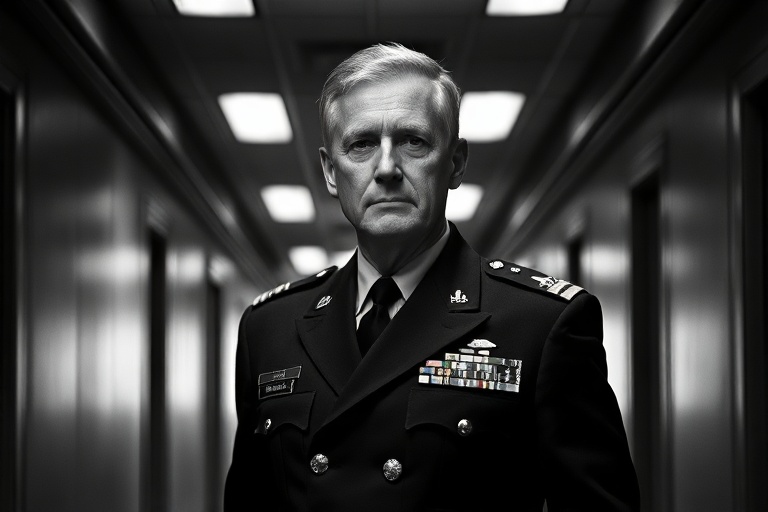
Robert Harward is a retired United States Navy vice admiral whose career spans four decades of military service, intelligence operations, and strategic leadership. Born in 1956, Harward graduated from the U.S. Naval Academy and later earned a master’s degree in national security affairs from the Naval Postgraduate School. His expertise lies in special operations, counterterrorism, and global security, having commanded elite units such as SEAL Team 3 and serving as deputy commanding general for operations at U.S. Central Command (CENTCOM).
Beyond his naval career, Harward transitioned into the private sector, where he has held leadership roles in defense contracting and security consulting. His deep operational experience and understanding of geopolitical threats have made him a sought-after voice in national security discussions. Harward’s career reflects the intersection of military precision, policy influence, and modern warfare adaptation.
Key Career Milestones
Throughout his career, Robert Harward achieved several notable accomplishments that shaped his reputation as a strategic leader. Below are some of the most significant milestones:
- Command of SEAL Team 3 (2001–2003): Led one of the Navy’s most elite special operations units during the early years of the War on Terror, overseeing missions in Afghanistan and Iraq.
- Director of the Navy SEALs (2004–2006): Served as the senior officer overseeing all SEAL teams, standardizing training and operational protocols across the force.
- Deputy Commanding General at CENTCOM (2008–2011): Played a critical role in coordinating counterterrorism efforts across the Middle East, working closely with allied forces and intelligence agencies.
- Senior Advisor to the U.S. Special Operations Command (2012–2014): Provided strategic guidance on special operations policy, force structure, and emerging threats.
- Transition to Defense Contracting: Joined Lockheed Martin and later founded his own consulting firm, Harward Global Strategies, focusing on security risk management and crisis response.
Each of these roles reinforced Harward’s reputation as a disciplined leader capable of navigating complex operational and geopolitical challenges. His ability to transition between frontline command and high-level advisory positions demonstrates a rare versatility in national security circles.
Harward’s Role in National Security Debates
Robert Harward’s influence extends beyond his military service. He has become a prominent figure in discussions about the future of U.S. defense strategy, particularly in how special operations forces adapt to evolving threats. His public commentary often emphasizes the importance of agility, intelligence integration, and interagency cooperation in modern warfare.
One area where Harward has been vocal is the role of private military contractors in conflict zones. While he acknowledges the value these firms provide in logistical and advisory capacities, he has also warned about the risks of over-reliance on them. In a 2020 interview, he stated, “Contractors are force multipliers, but they should never replace the judgment and accountability of uniformed officers.” This perspective highlights a broader tension in defense policy: balancing operational efficiency with ethical and strategic oversight.
Harward has also weighed in on the debate over autonomous weapons and AI-driven warfare. He argues that while technology can enhance precision and reduce risks to personnel, it cannot replace human decision-making in high-stakes environments. His stance aligns with a growing consensus among military leaders who advocate for cautious integration of emerging technologies.
The Broader Implications of Harward’s Career
Robert Harward’s career offers several lessons about leadership, adaptability, and the evolving nature of global security. His trajectory from a SEAL platoon commander to a Pentagon strategist mirrors the broader shifts in military doctrine over the past two decades. The rise of asymmetric warfare, the proliferation of non-state actors, and the increasing importance of cyber and information operations have all redefined what it means to lead in defense.
One key takeaway from Harward’s career is the value of institutional knowledge. Unlike many leaders who cycle in and out of government service, Harward’s deep operational experience allowed him to bridge the gap between tactical execution and strategic planning. This continuity is rare in an era where defense officials often rotate every few years, limiting institutional memory.
Another implication is the growing role of private enterprise in national security. Harward’s transition to defense contracting reflects a broader trend where retired military leaders leverage their expertise in the commercial sector. While this can enhance innovation and efficiency, it also raises questions about conflicts of interest and the militarization of private industry. Harward’s firm, Harward Global Strategies, positions itself as a bridge between government and private sector needs, but the blurred lines between the two remain a contentious issue.
Finally, Harward’s career underscores the importance of mentorship in elite military units. SEAL Team 3, which he commanded, is known for producing leaders who go on to shape defense policy. His emphasis on training and professional development reflects a belief that the caliber of an organization depends on the people who lead it.
Conclusion
Robert Harward’s career is a testament to the enduring value of leadership, adaptability, and strategic foresight in national security. From commanding SEAL teams to advising at the highest levels of government, he has consistently demonstrated the ability to navigate complex challenges with discipline and precision. His post-military work in defense consulting further extends his influence, shaping how both public and private sectors approach security in an increasingly volatile world.
As the U.S. military grapples with new threats—from great-power competition to cyber warfare—figures like Harward provide a crucial perspective. His career serves as a reminder that effective leadership is not just about tactics or technology, but about the judgment, experience, and integrity of the people who make the tough calls.
For those interested in exploring more about military leadership and strategic defense, visit Dave’s Locker Trending or Dave’s Locker Analysis for deeper insights.