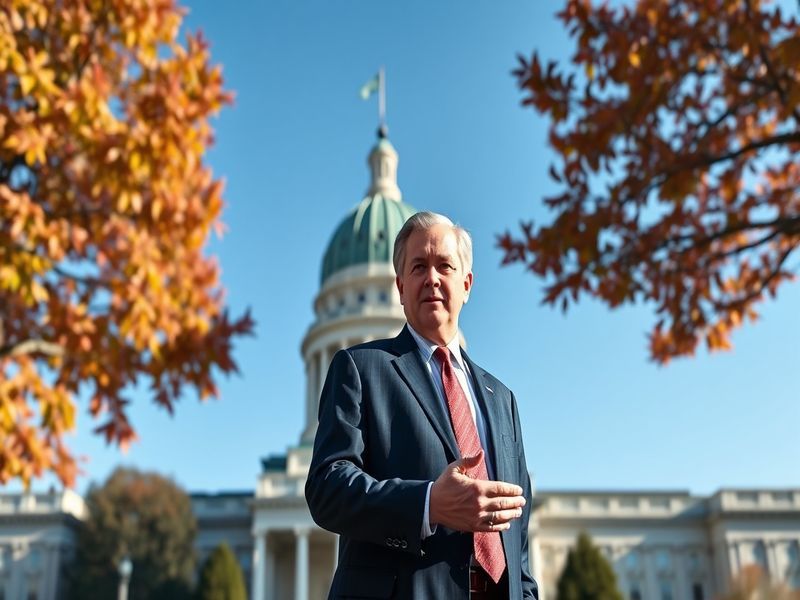
Matt Bevin: A Comprehensive Overview of His Governorship
Understanding Matt Bevin: A Political Profile
Matt Bevin, the former Governor of Kentucky, is a figure who has stirred significant discussion in the political arena. His tenure, which lasted from 2015 to 2019, was marked by both fervent support and staunch opposition. Bevin’s policies and approach to governance have left a lasting impact on the state’s political climate. This article explores his background, key actions during his governorship, and the implications of his political career.
Background and Rise to Power
Bevin’s journey into politics is as unconventional as it is noteworthy. Prior to entering the political scene, he had a successful career as a businessman and entrepreneur. His foray into politics began with a challenge to the then-incumbent Governor Steve Beshear in 2015. Bevin’s campaign focused on conservative values, fiscal responsibility, and a promise to dismantle what he termed “Obamacare” in Kentucky.
His victory in the gubernatorial race can be attributed to several factors:
- Strong Republican Base: Kentucky’s political landscape has shifted significantly towards the Republican Party in recent years.
- Outspoken Campaigning: Bevin’s direct and often controversial statements resonated with many voters seeking a change.
- Support from Key Figures: Endorsements from prominent Republican leaders bolstered his campaign.
Key Policies and Actions as Governor
During his time in office, Bevin implemented a variety of policies that sparked both support and backlash. His administration focused heavily on healthcare reform, education, and fiscal policy. Some of his most notable actions included:
- Medicaid Reform: Bevin sought to modify Kentucky’s Medicaid expansion, aiming to impose work requirements and other restrictions.
- Education Changes: His administration pushed for charter schools and school choice initiatives, which faced opposition from public school advocates.
- Tax Reforms: Bevin advocated for tax cuts aimed at businesses, which he argued would stimulate economic growth.
These policies, while designed to improve the state’s economy and healthcare system, often drew criticism. Opponents claimed that his reforms disproportionately affected low-income families and public education funding.
Controversies and Challenges
Bevin’s governorship was not without its controversies. He faced numerous challenges, ranging from public protests to legal battles. One of the most notable controversies was his handling of teacher protests in 2018. Thousands of educators rallied against proposed pension reforms, which they believed threatened their retirement security.
Bevin’s response was often perceived as dismissive, further fueling tensions. His comments about teachers and their impact on students drew widespread condemnation and were pivotal in shaping public perception of his leadership.
Additionally, his administration faced scrutiny over the handling of various scandals, including allegations of mismanagement within state agencies. These issues contributed to a decline in his approval ratings and ultimately influenced his defeat in the 2019 gubernatorial election.
Broader Implications and Legacy
The implications of Bevin’s governorship extend beyond his policies and controversies. His tenure reflects a broader trend within American politics, where populism and strong partisan divides are increasingly prevalent. Bevin’s approach to governance highlights the challenges faced by leaders attempting to navigate complex political landscapes while responding to the desires of their constituents.
Moreover, his defeat in the 2019 election signals a potential shift in Kentucky’s political dynamics. The election of Democrat Andy Beshear demonstrated that issues such as education and healthcare can mobilize voters, even in traditionally Republican strongholds. This shift may have lasting effects on future elections and policy directions in the state.
In conclusion, Matt Bevin’s political career offers valuable insights into the complexities of modern governance. His policies, challenges, and the eventual fallout from his administration contribute to an ongoing dialogue about leadership in a divided society. As Kentucky continues to evolve politically, the lessons from Bevin’s time in office will likely resonate for years to come.