Warhammer Community: More Than Just Miniatures and Battles
The Warhammer community has evolved far beyond its origins as a tabletop gaming collective. What began as a niche hobby has burgeoned into a vibrant ecosystem of creativity, collaboration, and culture. Players, painters, writers, and fans worldwide contribute to a dynamic space that thrives on passion and innovation. This community transcends traditional gaming circles, influencing art, literature, and digital media in unexpected ways.
The roots of Warhammer stretch back to the late 1970s, when Games Workshop introduced its first tabletop wargames. Over the decades, Warhammer Fantasy Battle and Warhammer 40,000 became iconic franchises, attracting dedicated followers. Yet, the community’s growth was not merely about gameplay. It was fueled by the shared enthusiasm for miniature painting, lore-building, and world-building. Today, the Warhammer universe encompasses novels, video games, and even television adaptations, reflecting its expanding influence.
The Art of Miniature Painting and Customization
One of the most celebrated aspects of the Warhammer community is its emphasis on miniature painting. Enthusiasts spend countless hours perfecting techniques to bring their armies to life. The standards of craftsmanship have risen dramatically, with artists pushing boundaries in realism and creativity. Online platforms like Dave’s Locker serve as hubs for sharing tips, tutorials, and finished works, fostering a culture of mentorship and improvement.
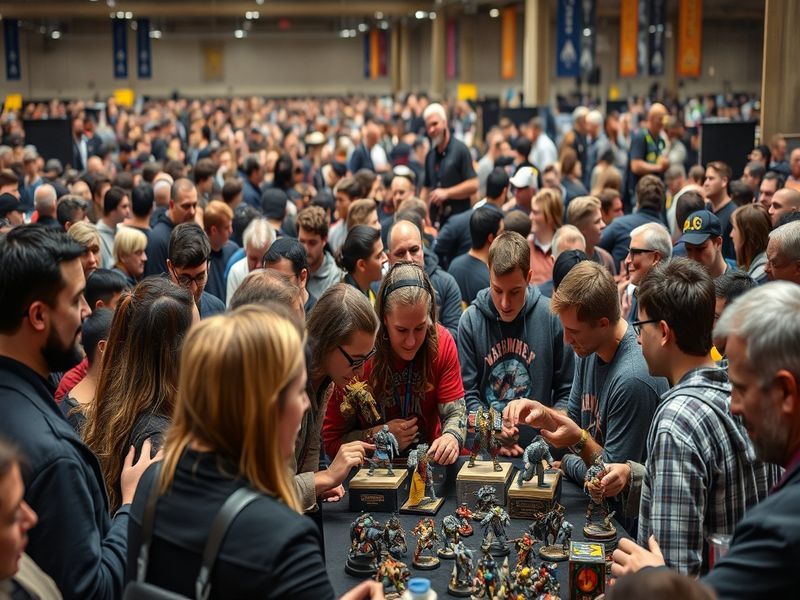
Customization adds another layer to the hobby. Players modify models, create unique conversions, and design custom units, showcasing their individuality. This hands-on approach has led to the rise of competitive painting events, where artists vie for recognition in categories like “Best Army” or “Best Single Miniature.” Events like the Golden Demon awards highlight the pinnacle of this art form, drawing participants from across the globe.
- Technical skill: Advanced techniques like edge highlighting, freehand detailing, and weathering are now commonplace.
- Community resources: YouTube, Discord servers, and forums provide step-by-step guides for painters of all levels.
- Collaborative projects: Groups often work together to paint massive armies or create dioramas for conventions.
Expanding Narratives: The Power of Warhammer Lore
Warhammer’s lore is a cornerstone of its enduring appeal. The richly detailed universes of Warhammer Age of Sigmar and Warhammer 40,000 allow fans to immerse themselves in expansive storytelling. Over the years, Games Workshop has expanded these narratives through novels, audio dramas, and video games. The community plays a vital role in keeping these stories alive, often contributing fan-made content that enriches the lore.
Fan fiction, world-building projects, and even original characters have become integral to the Warhammer experience. Platforms like Reddit and private forums host discussions about lore inconsistencies, historical inspirations, and speculative theories. This collaborative storytelling has led to the emergence of fan-made factions, homebrew rules, and alternative histories that add depth to the existing canon.
Games Workshop has also embraced this creativity. Initiatives like the Black Library’s anthology series feature contributions from both established authors and emerging talent within the community. This symbiotic relationship ensures that the Warhammer universe remains dynamic and ever-evolving.
Digital Frontiers: Warhammer in the Online Realm
The digital age has transformed how the Warhammer community interacts. Online platforms have democratized access to resources, allowing hobbyists to connect regardless of geographic location. Social media channels like Instagram and TikTok showcase miniature photography and painting timelapses, attracting new audiences to the hobby.
Warhammer’s presence in video games has further expanded its reach. Titles like Total War: Warhammer and Warhammer 40,000: Dawn of War have introduced the franchise to gamers who may not have encountered it otherwise. These games often spark renewed interest in the tabletop versions, creating a feedback loop of engagement. Digital tools, such as army builders and battle simulators, also enhance the tabletop experience by allowing players to plan and strategize online.
Twitch and YouTube have become vital spaces for community engagement. Streamers and content creators share tutorials, battle reports, and hobby progress, building dedicated followings. These creators often collaborate with Games Workshop, participating in exclusive events or receiving early access to new releases. The rise of esports within the Warhammer community has also introduced competitive gaming elements, with tournaments drawing large audiences and offering substantial prizes.
Challenges and Opportunities in a Growing Community
Despite its many successes, the Warhammer community faces challenges. The hobby’s growing popularity has led to supply chain issues, particularly with high-demand miniatures and paints. Newcomers often find the initial investment daunting, as starter sets and paints can be expensive. However, the community has responded with solutions like shared resources, local hobby shop discounts, and secondhand markets.
Another challenge is maintaining inclusivity. The Warhammer community has historically been male-dominated, though efforts are ongoing to welcome a more diverse audience. Initiatives like women-only painting groups, LGBTQ+ friendly events, and accessibility-focused design aim to create a welcoming environment for all hobbyists. Games Workshop has also taken steps to address inclusivity, such as introducing more diverse character models and storylines.
The future of the Warhammer community looks bright, with opportunities for growth in emerging markets and digital spaces. Virtual reality (VR) and augmented reality (AR) could revolutionize how players interact with the hobby, offering immersive experiences for painting, gaming, and storytelling. Additionally, the community’s emphasis on creativity and collaboration ensures that it will continue to thrive, adapting to new trends and technologies.
Why the Warhammer Community Matters
The Warhammer community is more than a gathering of hobbyists; it is a testament to the power of shared creativity and passion. From miniature painting to digital storytelling, its members contribute to a rich tapestry of art and culture. The community’s ability to adapt and innovate ensures that Warhammer remains relevant across generations. For newcomers and veterans alike, it offers a space to learn, create, and connect.
As Warhammer continues to expand its reach, the community will play an instrumental role in shaping its future. Whether through painting, gaming, or storytelling, each member adds to the legacy of this extraordinary universe. The Warhammer community is not just about the hobby—it’s about the people who bring it to life.