The Importance and Evolution of the Ballot in Democracy
Understanding the Ballot: A Key Element of Democracy
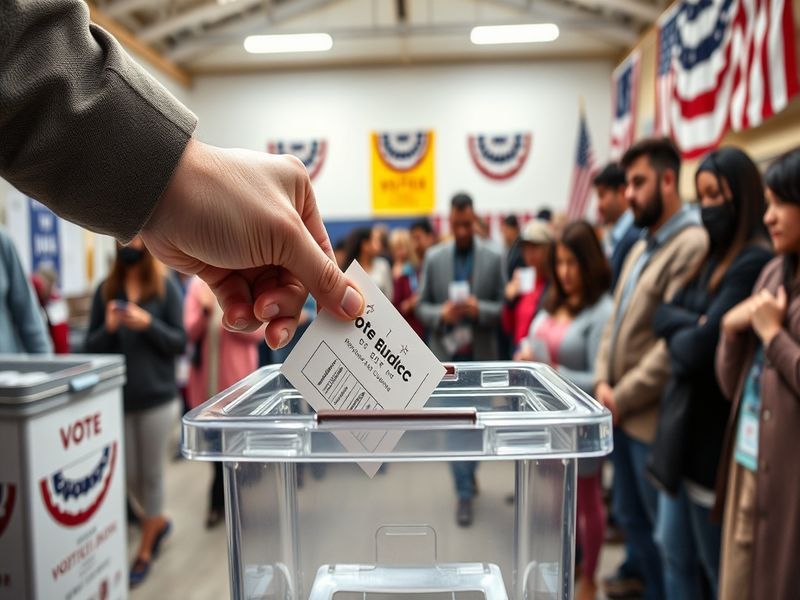
The ballot is a fundamental component of democratic processes around the globe. It serves as a tool through which citizens express their preferences, whether in elections, referendums, or other forms of decision-making. The simplicity of casting a vote belies the complex systems and regulations that govern the ballot’s use.
In essence, a ballot is a means of recording a voter’s choice. It can take various forms, including paper ballots, electronic voting machines, or mail-in ballots. Each method has its advantages and challenges, and understanding these differences is crucial for informed participation in the electoral process.
The Evolution of Balloting Methods
The history of the ballot is rich and varied. From ancient Greece, where voting was often done by raising hands, to modern secret ballots, the evolution reflects societal changes and technological advancements. Today, several methods are commonly used:
- Paper Ballots: Traditional and widely used, these are often marked by hand and counted manually.
- Electronic Voting Machines: These machines allow for quicker vote tallying and can improve accessibility for disabled voters.
- Mail-in Ballots: Increasingly popular, especially during the pandemic, these allow voters to cast their votes from home.
Each of these methods has its own implications for security, accessibility, and voter turnout. For example, while electronic voting can speed up the counting process, it also raises concerns about hacking and system failures. Conversely, mail-in ballots can increase participation but may lead to delays in results.
The Importance of Voter Education and Accessibility
Informed voters are essential for a robust democracy. Understanding how to properly use a ballot, the voting process, and the significance of participation can greatly influence election outcomes. Unfortunately, many voters remain unaware of their rights and the mechanics of voting.
Accessibility is another critical aspect of the ballot. It is vital that all citizens, regardless of physical ability, have the opportunity to participate in elections. This includes providing resources such as:
- Accessible polling places with ramps and appropriate signage.
- Voting assistance for those with disabilities.
- Clear and concise information about the voting process in multiple languages.
Enhancing accessibility can lead to higher voter turnout and a more representative electoral process. It is important for governments and organizations to prioritize these efforts to ensure that everyone can make their voice heard.
Challenges and Controversies Surrounding the Ballot
Despite the importance of the ballot, various challenges persist. Issues such as voter suppression, misinformation, and ballot tampering can undermine the integrity of elections. Voter ID laws, for example, are often cited as barriers that disproportionately affect marginalized groups.
Additionally, the rise of misinformation on social media platforms has complicated the public’s understanding of the voting process. False claims about ballot security can lead to confusion and discourage participation. It is crucial for individuals to seek out reliable sources of information when preparing to vote.
Moreover, debates over the methods of voting, such as the ongoing discussions about mail-in ballots and their security, continue to shape the electoral landscape. Each election cycle brings new perspectives and policies that reflect the evolving nature of voting rights and access.
Conclusion: The Ballot as a Symbol of Civic Responsibility
The ballot represents more than a mere piece of paper; it embodies the principles of democracy and civic responsibility. Understanding its significance, history, and the ongoing challenges associated with it is essential for every citizen. By becoming informed and engaged, individuals can contribute to a healthier democratic process.
For more insights into related topics, visit our Politics and News categories.