Exploring the Relationship Between Turkey and Romania
The relationship between Turkey and Romania has evolved through centuries of history, marked by shared interests and occasional tensions. Both countries are strategically located at the crossroads of Europe and Asia, which has made their interactions significant in political, economic, and cultural contexts. Understanding this relationship not only provides insight into regional dynamics but also highlights the broader implications for international relations in Eastern Europe and beyond.
Historical Context
The historical ties between Turkey and Romania date back to the Ottoman Empire, when Romania was part of the empire’s territory. This period left a lasting impact on Romanian culture, language, and architecture. The Ottoman influence is still visible in various aspects of Romanian life today, including cuisine and traditions.
Following the decline of the Ottoman Empire, Romania sought to assert its independence and identity. The 19th and 20th centuries saw the emergence of nationalist movements in both countries, leading to a complex interplay of alliances and conflicts. The two nations navigated the tumultuous waters of World War I and World War II, often finding themselves on opposite sides of geopolitical divides.
Modern Diplomatic Relations
Today, Turkey and Romania maintain a robust diplomatic relationship, characterized by cooperation on various fronts. Both countries are members of NATO, which has facilitated military collaboration and strategic partnerships. Additionally, they share interests in regional security, particularly concerning issues related to the Black Sea and the Balkans.
Economic ties have also strengthened over the years. Trade between Turkey and Romania has seen significant growth, with both nations benefiting from investments in various sectors. Key areas of cooperation include:
- Energy: Collaboration in energy projects, particularly in natural gas and renewable energy.
- Trade: Increasing bilateral trade, with Romania exporting machinery and agricultural products to Turkey.
- Tourism: Growing tourist exchanges, with many Romanians visiting Turkey and vice versa.
Cultural Connections
The cultural exchange between Turkey and Romania is rich and varied. Festivals, music, and art have played pivotal roles in fostering mutual understanding. The Turkish community in Romania, particularly in Dobrogea, adds to the cultural mosaic of the country. Similarly, Romanian culture, including its folklore and traditions, has found appreciation in Turkey.
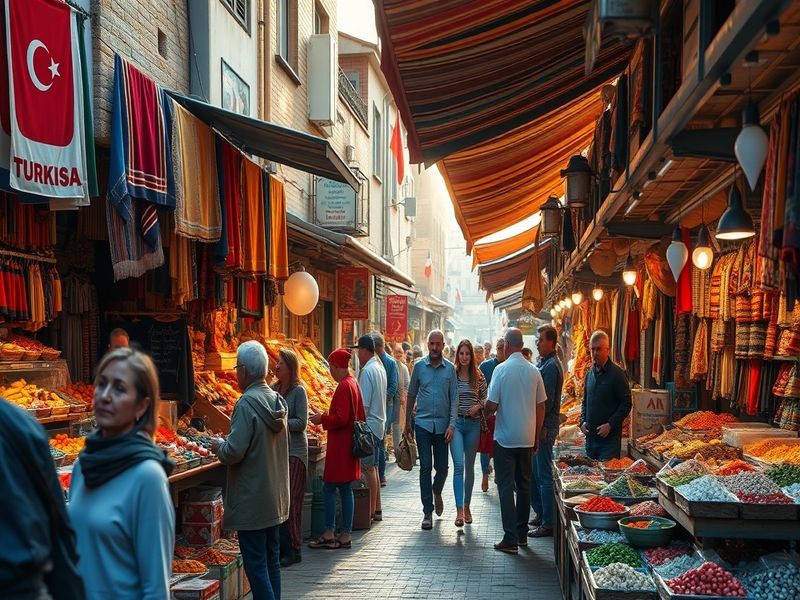
Moreover, the culinary similarities between the two nations have led to a fusion of tastes and flavors that enhance their cultural ties. Both countries boast delicious dishes that reflect their historical interactions. For example, Turkish kebabs and Romanian mici share a common heritage, making them popular choices in both cuisines.
Broader Implications for Regional Stability
The relationship between Turkey and Romania holds significant implications for broader regional stability. As both countries face challenges such as migration, economic disparities, and security threats, their collaboration can contribute to a more stable Eastern Europe. Additionally, their partnership can serve as a model for other nations in the region to follow, fostering cooperation over conflict.
Furthermore, the geopolitical landscape is constantly shifting, especially with the influence of major powers like Russia and the European Union. Turkey’s position as a bridge between East and West, combined with Romania’s role within the EU, creates a unique dynamic that can shape future alliances and partnerships.
In summary, the relationship between Turkey and Romania is multifaceted, encompassing historical, diplomatic, economic, and cultural dimensions. As both nations continue to navigate their roles on the international stage, their collaboration will be crucial for addressing shared challenges and ensuring regional stability.
To learn more about related topics, you can explore our sections on Culture and Politics.