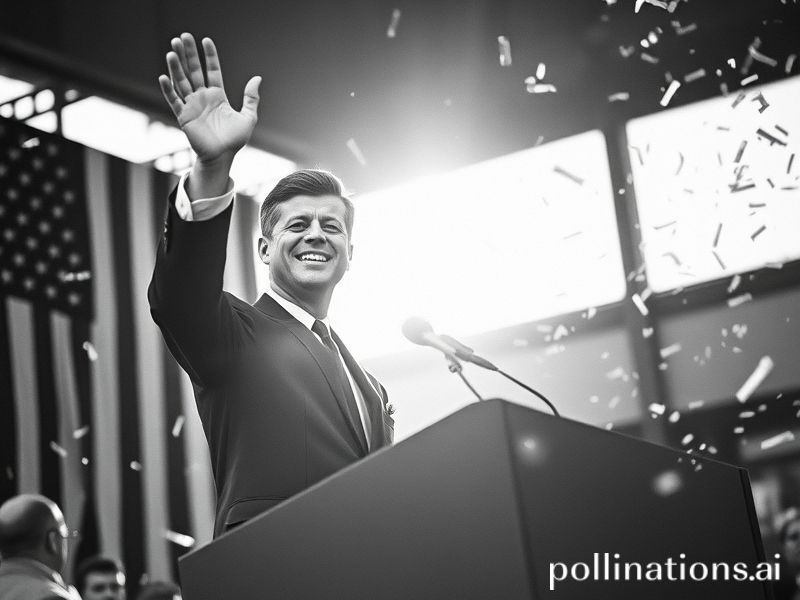
Robert F. Kennedy Jr. stands at the intersection of American political history and modern controversy. As the son of former U.S. Senator and Attorney General Robert F. Kennedy and the nephew of President John F. Kennedy, he inherited a legacy of public service and idealism. Yet today, he is far better known for his outspoken stances on contentious issues than for his family’s storied past. His career—spanning environmental law, vaccine advocacy, and now a presidential run—demonstrates how influence can be wielded in unexpected directions.
From Environmental Law to Anti-Vaccine Advocacy
Kennedy’s early career was defined by environmental activism. As an attorney, he founded Waterkeeper Alliance in 1999, an organization dedicated to protecting waterways from pollution. His work earned him accolades, including the prestigious Goldman Environmental Prize in 2005. For years, Kennedy was celebrated in progressive circles for his legal battles against industrial polluters and government inaction.
By the mid-2000s, however, his focus began to shift. Kennedy became a vocal critic of vaccines, arguing that they posed serious health risks, particularly to children. His 2005 book Thimerosal: Let the Science Speak argued that mercury-based preservatives in vaccines were linked to autism—a claim widely rejected by the scientific community. Despite the lack of credible evidence, Kennedy’s platform expanded as he aligned with the anti-vaccine movement, which had gained traction in the U.S. and Europe.
His advocacy drew sharp criticism from public health experts. Major medical organizations, including the CDC and WHO, dismissed his claims as baseless. Yet Kennedy’s influence persisted, amplified by social media and grassroots movements skeptical of mainstream science. His stance on vaccines became a defining feature of his public identity, overshadowing his earlier environmental achievements.
The 2024 Presidential Run: A Third-Party Challenge
In April 2023, Kennedy announced his candidacy for the 2024 U.S. presidential election as an independent candidate. His campaign positioned him as an outsider, critical of both major parties and their policies on health, the economy, and foreign affairs. Kennedy’s platform included calls for stricter antitrust enforcement, opposition to corporate subsidies, and skepticism toward federal pandemic response measures.
His candidacy resonated with a segment of the electorate disillusioned by partisan gridlock. Polls in late 2023 showed him drawing support from both disaffected Democrats and Republicans, as well as independents. Yet his campaign also faced significant hurdles. Critics pointed to his past controversial statements, including claims that COVID-19 may have originated from a lab leak—a theory that gained traction but remained unproven. Others questioned his fitness for office, given his lack of legislative experience.
Kennedy’s campaign strategy relied heavily on grassroots organizing and digital outreach. He leveraged his family’s name recognition while positioning himself as a champion of free speech, often clashing with mainstream media outlets over coverage of his views. In a crowded field, his ability to break through depended not only on policy but on his unique personal narrative.
Global Reactions: A Divisive Figure Worldwide
Kennedy’s influence extends beyond U.S. borders. In Europe, where skepticism of vaccines and government mandates has grown, his message found an audience. Anti-establishment parties in countries like France and Germany referenced his arguments in debates over public health policies. Meanwhile, in Africa and parts of Asia, his environmental activism still garners respect, though his vaccine stance complicates his global image.
His family’s legacy adds another layer of complexity. While some relatives have distanced themselves from his political positions, others have engaged with his arguments. The Kennedy name, once synonymous with liberal idealism, now carries mixed connotations—symbolizing both progressive values and contentious dissent.
International media coverage of Kennedy often frames him as a paradox: a man of privilege challenging systems of power from within. His ability to command attention reflects broader trends in global politics, where celebrity figures and unconventional candidates increasingly shape public discourse.
The Kennedy Brand: Influence and Inheritance
Robert F. Kennedy Jr.’s life and career illustrate the power—and limitations—of inherited influence. The Kennedy family’s association with American politics spans generations, from JFK’s presidency to RFK’s 1968 campaign. Yet Robert Jr.’s trajectory diverges sharply from that tradition. Where his father and uncle sought to expand civil rights and social justice, Robert Jr. has focused on dismantling what he sees as corrupt systems—from pharmaceutical companies to political elites.
His work challenges the idea that public figures must conform to ideological expectations. Whether admired or reviled, his willingness to confront powerful institutions has earned him both fierce loyalty and vehement opposition. In an era where trust in institutions is eroding, figures like Kennedy occupy a unique space—amplifying discontent while offering alternative narratives.
As his presidential campaign unfolds, the question remains: Can his message translate into electoral success, or will it remain a footnote in a larger political story? What is certain is that Robert F. Kennedy Jr. has redefined what it means to carry a political legacy into the 21st century.
Looking Ahead: The Future of Kennedy’s Influence
Regardless of the outcome in 2024, Robert F. Kennedy Jr.’s impact is already evident. He has reshaped conversations around public health, environmental policy, and political participation. His ability to mobilize supporters through digital platforms signals a shift in how activism and campaigns operate in the modern age.
For historians and political observers, his career offers a case study in the evolution of American dissent. It also raises questions about the role of family legacy in shaping public perception. As society continues to grapple with polarization, Kennedy’s story serves as a reminder that influence can be both a tool and a burden.
One thing is clear: Robert F. Kennedy Jr. will remain a figure of fascination—and contention—for years to come.