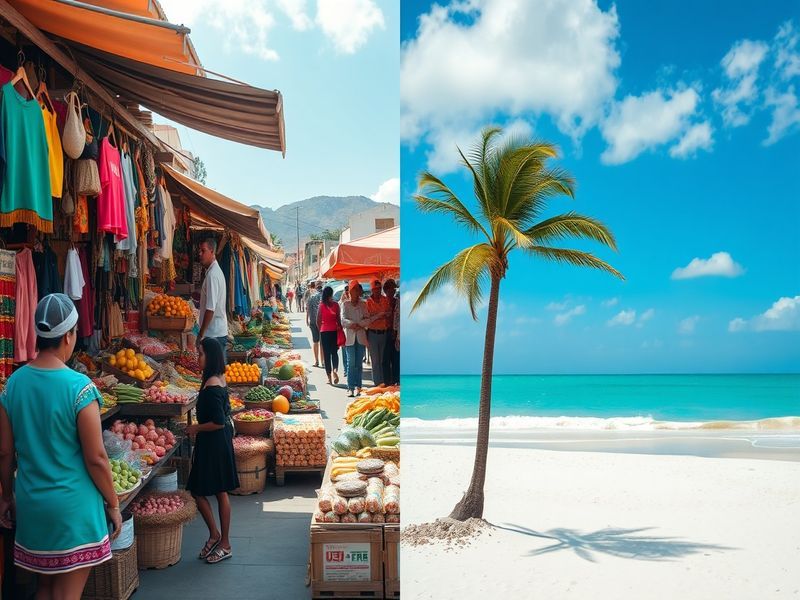
Geographical Overview
Chile and Cape Verde are two nations situated in vastly different parts of the globe. Chile is located along the western edge of South America, stretching over 4,300 kilometers from north to south. It features a diverse range of landscapes, including desert, mountains, and coastline. Cape Verde, on the other hand, is an archipelago situated about 570 kilometers off the northwest coast of Africa. Comprised of ten volcanic islands, Cape Verde is known for its stunning beaches and unique cultural influences.
Cultural Heritage
Both countries have rich cultural heritages, yet they reflect distinct histories and influences. Chile’s culture is a blend of indigenous traditions and Spanish colonial influence, resulting in a vibrant tapestry of music, dance, and cuisine. Traditional music genres like Cueca and Nueva Canción resonate deeply with the Chilean identity.
Cape Verde, with its mix of African, Portuguese, and Brazilian influences, boasts a unique cultural scene. The islands are famous for their morna music, characterized by its melancholic melodies and poetic lyrics. The annual Carnival celebration showcases the colorful and lively spirit of Cape Verdean culture, drawing visitors from around the world.
Economic Landscape
Chile has a robust economy, often regarded as one of the most stable in Latin America. It is known for its rich natural resources, particularly copper, which accounts for a significant portion of its exports. The government has implemented various free trade agreements that bolster its trade relations globally.
In contrast, Cape Verde has a smaller economy that relies heavily on tourism, remittances, and agriculture. The islands’ beautiful landscapes and unique culture attract tourists, but the economy faces challenges due to its limited natural resources. Despite this, Cape Verde has made strides in economic development, focusing on sustainability and renewable energy projects.
Tourism and Attractions
Tourism plays a crucial role in both Chile and Cape Verde, although the experiences they offer differ significantly. Visitors to Chile can explore a variety of attractions, from the stunning landscapes of Patagonia to the historic streets of Santiago. The Atacama Desert, one of the driest places on Earth, offers unique geological formations and stargazing opportunities that attract many adventurers.
In Cape Verde, the allure lies in its beautiful beaches and vibrant culture. Popular destinations include Sal Island, known for its white sandy beaches, and Santo Antão, famous for its hiking trails and dramatic scenery. Tourists often participate in local festivals, which highlight the islands’ rich traditions.
Key Attractions in Chile
- Torres del Paine National Park
- Atacama Desert
- Valparaíso’s Historic Quarter
- Lake District
Must-Visit Locations in Cape Verde
- Sal Island’s Beaches
- Santo Antão’s Hiking Trails
- Mindelo’s Carnival
- Fogo Island’s Volcano
Conclusion
Chile and Cape Verde, while geographically distant, both offer unique cultural and natural experiences. Chile’s vast landscapes and rich history provide a diverse range of activities for tourists, while Cape Verde’s beautiful islands and vibrant music scene create an inviting atmosphere for visitors. Each country has its strengths and challenges, shaping their identities on the global stage. Whether one seeks adventure in the Andes or relaxation on a Cape Verdean beach, both destinations promise enriching experiences for travelers.