Don Pettit’s Space Potato Experiment: Pioneering Space Agriculture
The Space Potato: A Unique Experiment by Don Pettit
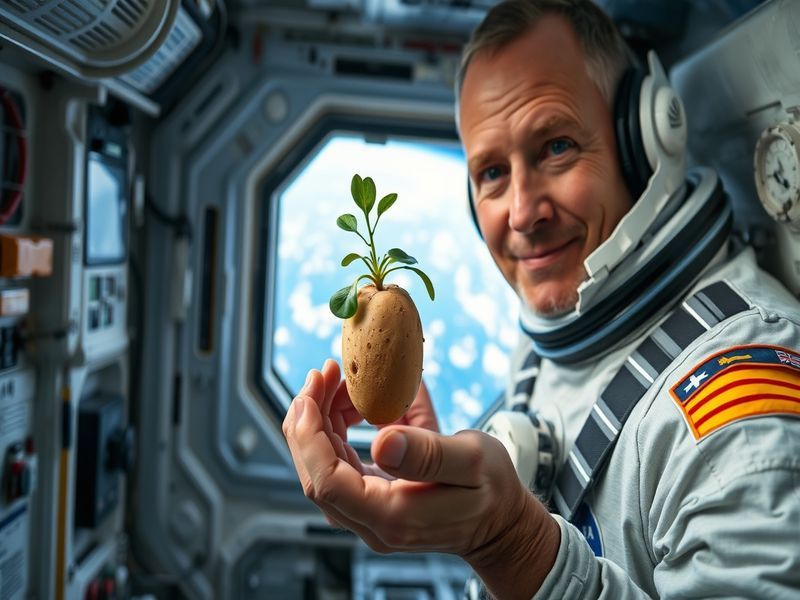
In the realm of space exploration, every experiment contributes valuable knowledge to our understanding of life beyond Earth. One such experiment involved astronaut Don Pettit and his intriguing endeavor known as the “space potato.” This project aimed to grow potatoes in microgravity, providing insights into agriculture in space and the potential for future colonization of other planets.
Background on Don Pettit
Don Pettit is an accomplished NASA astronaut and engineer, known for his extensive work in the International Space Station (ISS). With multiple missions under his belt, Pettit has a unique perspective on the challenges of living and working in space. His passion for science and exploration drives him to conduct experiments that not only benefit astronauts but also advance our understanding of agricultural practices.
The Experiment: Growing Potatoes in Space
The idea behind growing potatoes in space stems from the necessity of providing food for long-duration missions. As humans look toward Mars and beyond, sustainable food sources become paramount. The experiment involved using specially designed containers to cultivate the potatoes, allowing researchers to monitor their growth and development in a microgravity environment.
Key aspects of the experiment included:
- Microgravity Effects: Understanding how microgravity influences plant growth.
- Nutrient Requirements: Examining the nutritional needs of potatoes in space.
- Water Usage: Exploring efficient water use in a closed environment.
- Long-term Sustainability: Investigating the viability of growing crops for extended missions.
Broader Implications of Agricultural Studies in Space
The implications of Pettit’s potato experiment extend far beyond the confines of the ISS. As humanity aims for Mars and other celestial bodies, the ability to cultivate food in space is crucial for long-term missions. Growing crops like potatoes, which are rich in carbohydrates and can thrive in various conditions, could be a game-changer for future space expeditions.
Furthermore, this research has potential applications on Earth. Understanding plant growth in extreme conditions can enhance agricultural practices, especially in areas affected by climate change or limited resources. The techniques developed for space agriculture may lead to more sustainable farming methods back home.
Challenges and Considerations
While the experiment yielded promising results, several challenges remain. Growing plants in microgravity presents unique difficulties, such as:
- Root Development: In microgravity, roots may not orient themselves as they do on Earth, affecting nutrient uptake.
- Pollination: The absence of wind and insects complicates the pollination process for flowering plants.
- Environmental Control: Maintaining optimal temperature, humidity, and light conditions is critical.
Researchers must address these challenges to ensure successful crop production in space settings. The insights gained from Pettit’s work will inform future agricultural projects, both on the ISS and in potential Martian habitats.
Conclusion: The Future of Space Agriculture
Don Pettit’s potato experiment highlights the significance of agricultural research in space. As humanity prepares for long-term missions beyond Earth, sustainable food sources will be essential. The findings from this experiment not only advance our understanding of plant biology in microgravity but also pave the way for innovative solutions to challenges faced on Earth.
As we look to the future, the work of scientists and astronauts like Pettit will play a crucial role in shaping our ability to thrive in new environments, ensuring that humanity can explore the cosmos while also addressing issues back home. The journey of the space potato is just one step in a much larger quest for knowledge and survival.
For more insights into space exploration and agricultural innovations, visit our Science and Technology categories.