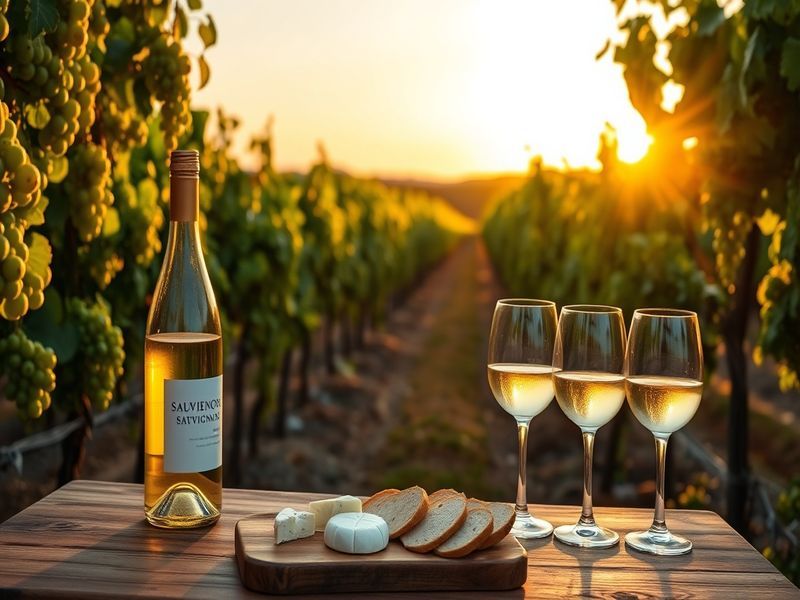
Understanding Sauvignon Blanc: A Comprehensive Overview
Sauvignon Blanc is a white grape variety originating from the Bordeaux region of France. Known for its vibrant acidity and aromatic qualities, it has gained popularity worldwide. The wine produced from this grape showcases a range of flavors, from crisp citrus to lush tropical fruits. Its versatility makes it a favorite among wine enthusiasts and casual drinkers alike.
Flavor Profiles and Characteristics
The flavor profile of Sauvignon Blanc can vary significantly based on its origin and the vinification process. Generally, it is characterized by:
- Citrus Fruits: Lemon, lime, and grapefruit are common notes.
- Tropical Fruits: Passionfruit and pineapple often appear in wines from warmer climates.
- Herbal Notes: Many Sauvignon Blanc wines have a distinctive green bell pepper or freshly cut grass aroma.
- Minerality: Some regions impart a flinty or mineral quality that adds complexity.
Regions such as Marlborough in New Zealand are renowned for producing Sauvignon Blanc with intense fruit flavors and herbaceous notes. In contrast, wines from the Loire Valley in France often display a more restrained profile with pronounced minerality and floral hints.
Winemaking Techniques
The production of Sauvignon Blanc can involve various techniques that influence the final product. Here are some common methods:
- Fermentation Temperature: Cooler fermentation temperatures preserve the aromatic qualities of the grape.
- Oak Aging: While many Sauvignon Blanc wines are produced in stainless steel to maintain freshness, some are aged in oak barrels to add richness and complexity.
- Malolactic Fermentation: This process is occasionally used to soften the acidity and create a creamier texture.
These techniques can lead to a wide range of styles, from crisp and refreshing to rich and full-bodied. The choice of winemaking method often reflects the winemaker’s philosophy and the terroir of the vineyard.
Food Pairings and Serving Suggestions
Sauvignon Blanc’s crisp acidity and diverse flavor profile make it an excellent companion for various dishes. Here are some ideal pairings:
- Seafood: Oysters, shrimp, and grilled fish complement the wine’s acidity.
- Poultry: Lightly seasoned chicken or turkey dishes work well.
- Salads: Fresh greens with citrus vinaigrette enhance the wine’s citrus notes.
- Cheese: Goat cheese, in particular, is a classic pairing.
When serving Sauvignon Blanc, it is best enjoyed chilled, typically between 45°F and 50°F. This temperature range allows its aromas to be fully expressed while maintaining its refreshing qualities.
Conclusion
Sauvignon Blanc stands out as a dynamic and versatile wine. Its diverse flavor profiles, influenced by region and production methods, offer something for every palate. Whether enjoyed on its own or paired with food, this grape variety continues to captivate wine lovers around the globe. For more insights into wine varieties and tasting notes, visit our wine category and explore the world of wine further.