Understanding Club Friendlies: A Global Perspective
Club friendlies, often referred to simply as “friendlies,” are exhibition matches played between football clubs. Unlike competitive fixtures, these games serve various purposes beyond just the scoreline. They provide teams with an opportunity to prepare for upcoming seasons, give younger players a chance to gain experience, and foster international relations through the sport. The importance of these matches varies across different cultures and leagues, making them a fascinating topic for analysis.
The Purpose of Club Friendlies
There are several key reasons why clubs engage in friendly matches. The most prominent of these include:
- Pre-Season Preparation: Teams use these matches to build fitness and cohesion before the competitive season begins.
- Player Development: Coaches can assess the abilities of younger or less experienced players in a lower-pressure environment.
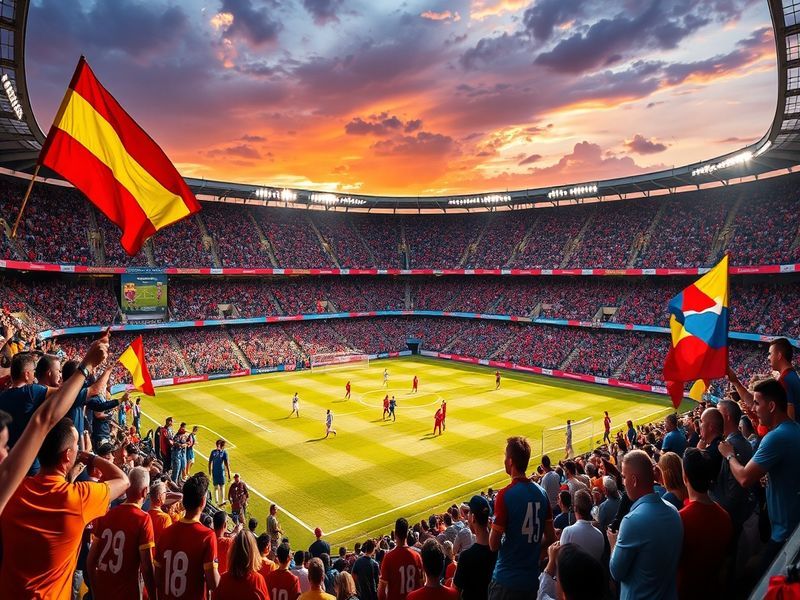
- Fan Engagement: Friendlies allow clubs to connect with their fanbase, especially when played in different countries.
- Revenue Generation: These matches can be lucrative, drawing crowds and increasing merchandise sales.
Each of these factors plays a significant role in how clubs approach their pre-season schedules. For instance, teams in Europe often travel to Asia or North America to tap into new markets, while clubs in South America might face each other to maintain local rivalries.
Global Variations in Club Friendlies
The significance and organization of club friendlies can differ greatly depending on the region. In Europe, these matches are often highly publicized events, featuring prominent teams and star players. In contrast, friendlies in Africa and South America may focus more on community engagement and local rivalries.
In addition, the timing of these matches can vary. In Europe, friendlies are typically held during the summer months, while in other regions, clubs might schedule them during breaks in league play. This flexibility allows teams to adapt their strategies based on regional customs and fan expectations.
Friendlies as a Cultural Exchange
Club friendlies also serve as a platform for cultural exchange. When European clubs tour Asia, for instance, they not only showcase their talent but also embrace local customs and engage with fans on a personal level. This interaction can foster goodwill and strengthen ties between different footballing cultures.
Moreover, these matches can introduce local players to international styles of play, encouraging a blend of techniques and strategies. For example, a friendly match between a European club and a South American team can highlight contrasting styles, such as the tactical discipline of European teams versus the flair and creativity often seen in South American football.
Challenges and Criticisms of Club Friendlies
Despite their benefits, club friendlies are not without controversy. Critics argue that these matches can lack intensity, leading to a less engaging experience for fans. Additionally, the commercial nature of many friendlies raises concerns regarding the prioritization of profit over sporting integrity.
Another issue is the potential risk of injury. Players may not be fully match-fit during these games, increasing the likelihood of accidents that could affect their performance in competitive matches. Coaches must balance the need for preparation with the safety of their players.
The Future of Club Friendlies
As the football landscape evolves, so too will the nature of club friendlies. With advancements in technology and media, fans can now follow their favorite teams regardless of location. This accessibility could lead to even more international tours and friendly matches, further blurring the lines between competition and exhibition.
Moreover, as clubs continue to explore ways to engage with global audiences, the format and purpose of friendlies may shift. For instance, matches could incorporate elements of entertainment, such as music festivals or community events, transforming the experience into a celebration of football and culture.
Conclusion
Club friendlies play a vital role in the football ecosystem, offering a unique blend of preparation, player development, and cultural exchange. While they face challenges, their potential for fostering international connections and enriching the sport is immense. As football continues to grow globally, friendlies will likely evolve, reflecting the changing dynamics of the beautiful game.
For more insights into the world of sports, visit our Sports section for the latest news and analysis.