Exploring the Thrills and Legacy of March Madness
Understanding March Madness
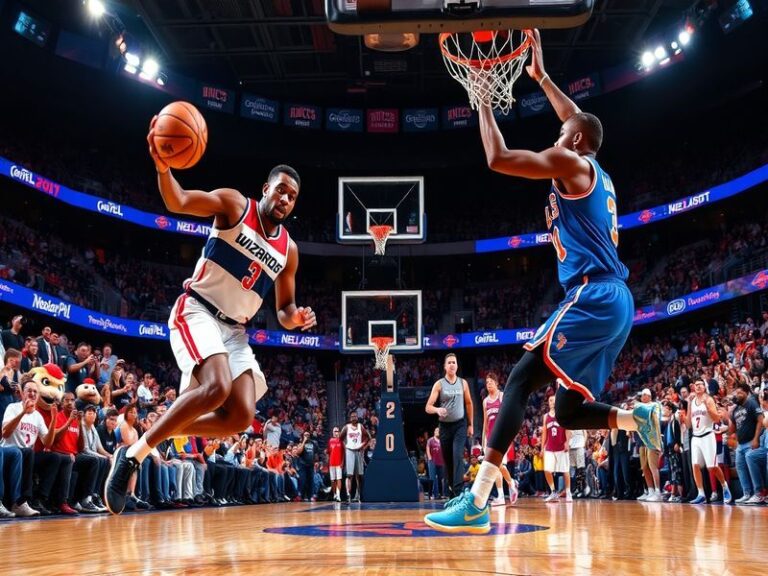
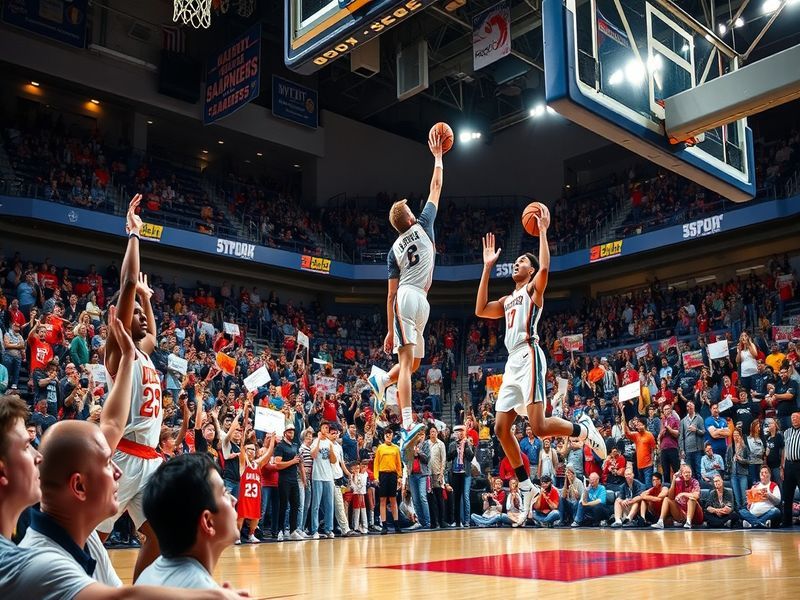
March Madness, the annual NCAA basketball tournament, captures the excitement of college sports during the spring season. This tournament features 68 teams competing in a single-elimination format, culminating in the Final Four and the championship game. The event not only showcases thrilling basketball but also serves as a major cultural event, drawing in fans from various backgrounds.
The Tournament Structure
The tournament is divided into four regions, each hosting a series of games leading up to the Final Four. The teams are seeded based on their performance during the regular season and conference tournaments. The seeding process is critical, as it determines matchups and influences the path teams will take toward the championship.
The competition format is straightforward:
- First Round: 64 teams compete, with the winners advancing to the second round.
- Second Round: 32 teams compete, narrowing the field further.
- Sweet 16: The remaining 16 teams face off in regional semifinals.
- Elite Eight: The winners of the Sweet 16 advance to the regional finals.
- Final Four: The last four teams compete for a place in the championship game.
- Championship Game: The two finalists battle for the NCAA title.
This structure not only heightens the stakes but also creates an environment ripe for upsets and surprises, making every game crucial.
Historical Context and Impact
March Madness has a rich history dating back to its inception in 1939. Over the years, it has evolved into a significant event in American sports culture. The tournament has seen numerous memorable moments, from buzzer-beaters to Cinderella stories where lower-seeded teams make unexpected runs.
The impact of March Madness extends beyond the court. It influences various sectors, including:
- Economics: Cities hosting tournament games experience a boost in tourism and local business revenue.
- Media: The tournament garners extensive coverage, leading to increased viewership and advertising revenue for networks.
- Social Interaction: Bracket challenges and office pools foster camaraderie among coworkers and friends.
This multifaceted impact illustrates how March Madness transcends sports, becoming a part of American tradition.
The Future of March Madness
As college basketball continues to evolve, so does the tournament. Discussions surrounding potential changes, such as expanding the number of teams or introducing new technologies for officiating, are ongoing. Additionally, the increasing influence of social media and digital platforms is reshaping how fans engage with the event.
Despite these changes, the essence of March Madness remains intact. The thrill of competition and the joy of witnessing emerging talent will always be central to the tournament’s appeal.
For more insights into sports and other trending topics, visit our Sports and Trending pages.
Conclusion
March Madness is more than just a basketball tournament; it is a celebration of athletic excellence, community engagement, and cultural significance. With its unique format and rich history, the tournament continues to captivate audiences across the nation. As we look to the future, March Madness will undoubtedly remain a beloved tradition, uniting fans and fostering a spirit of competition.