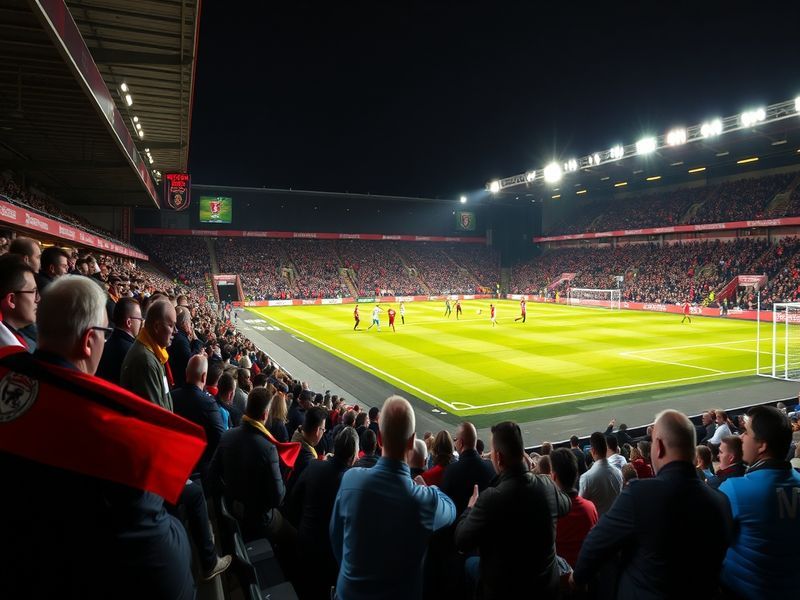
Football fans in the Championship this season have witnessed a league of contrasting styles and ambitions. On a crisp Tuesday evening at Bramall Lane, Sheffield United hosted Swansea City in a fixture that carried significant weight for both sides. The Blades, sitting in the top half of the table, were looking to solidify their play-off credentials, while the Swans arrived as mid-table opposition with nothing to lose.
Match Context: What Was at Stake
For Sheffield United, every point counted in their bid to climb closer to the automatic promotion places. The Blades had shown resilience in recent weeks, grinding out results through disciplined defending and rapid transitions. Swansea, meanwhile, had struggled to find consistency under their new manager, with form swinging between impressive wins and puzzling defeats.
This match was particularly intriguing due to the tactical matchups. Sheffield United’s high-pressing system often forces opponents into errors, while Swansea have shown moments of technical quality that could exploit any defensive lapses. The clash of systems created a compelling narrative before a single whistle blew.
Key Storylines Heading into the Game
- Blades’ home dominance: Sheffield United had won their last four home games, showcasing their ability to control games at Bramall Lane.
- Swansea’s away form: The Swans had managed just one away win in their last seven league matches, highlighting their struggles on the road.
- Injury concerns: Both teams had missing players due to suspension or injury, which could impact tactical flexibility.
- Momentum shift: A win for either side could dramatically alter their Championship trajectory in the final third of the season.
Tactical Breakdown: How the Game Was Won and Lost
Sheffield United’s game plan was built around aggressive pressing and direct transitions. Their wing-backs pushed high up the pitch, stretching play and creating overloads in wide areas. This system worked particularly well when Swansea’s midfield struggled to retain possession, forcing hurried clearances that often fell straight to United’s forwards.
Swansea, on the other hand, attempted to play out from the back, looking to bypass United’s press with quick one-touch combinations. However, their midfield lacked the necessary composure under pressure, leading to multiple turnovers in dangerous positions. When they did manage to play forward, their final third entries were too predictable, allowing the Blades’ defensive block to snuff out danger.
The turning point came in the 34th minute. A misplaced pass from Swansea’s central midfielder was intercepted by United’s striker, who drove forward before releasing a teammate in the box. The resulting goal stemmed from United’s ability to transition from defence to attack in a single motion—something Swansea could not replicate.
Why Swansea Couldn’t Find a Way Through
Swansea’s attacking shape became disjointed as the game progressed. Their wingers often drifted inside, leaving the full-backs isolated against Sheffield United’s marauding wing-backs. Without width from the flanks, their attacks lacked penetration, and their lone striker was frequently starved of service.
Defensively, Swansea’s high line left them exposed to long balls, a tactic United exploited repeatedly. The Swans’ centre-backs struggled to deal with the physicality of United’s forwards, leading to several aerial challenges that nearly resulted in goals.
Broader Implications for the Championship Race
This result reinforced Sheffield United’s status as serious contenders for the top six. Their ability to grind out wins against mid-table opposition suggests they have the mental fortitude needed for the promotion push. However, the real test lies in their upcoming fixtures against direct rivals—can they maintain this consistency?
For Swansea, the loss exposed the gulf between their ambitions and current reality. While they have the technical ability to compete, their lack of cohesion and tactical discipline continues to hinder progress. A managerial review may be on the horizon if results do not improve.
What This Means for the Rest of the Season
With the Championship becoming increasingly competitive, every point is crucial. Teams like Sheffield United are now eyeing automatic promotion spots, while clubs like Swansea must avoid getting dragged into a relegation scrap. The tactical evolution of mid-table sides could define the final months of the season.
Sheffield United’s performance against Swansea demonstrated their potential, but their ability to replicate this level of intensity against stronger opponents remains untested. The Swans, meanwhile, must regroup quickly if they hope to salvage their campaign.
Final Thoughts: A Game That Tells a Larger Story
The match between Sheffield United and Swansea was more than just a three points to one scoreline. It was a microcosm of the Championship’s unpredictability—a league where tactical mismatches, individual errors, and moments of brilliance can decide games in an instant.
For Sheffield United fans, the win provided hope that their team could push for a top-two finish. For Swansea supporters, it was another reminder of the uphill battle their club faces in returning to the Premier League. As the season hurtles toward its climax, these narratives will only intensify.
One thing is certain: the Championship remains one of football’s most competitive and unpredictable divisions. Clubs that adapt tactically, maintain fitness levels, and show mental resilience will thrive. Those that falter will pay the price.
As fans, we can only watch, analyse, and wait to see which teams will rise to the occasion when it matters most.
For more analysis on Championship tactics and team performances, visit our Sports and Analysis sections.