Exploring the Unique Cultures of New Caledonia and Jamaica
Introduction to New Caledonia and Jamaica
New Caledonia and Jamaica are two islands that, while separated by vast oceans and cultural differences, share a rich tapestry of histories and identities. New Caledonia, a French territory in the South Pacific, is known for its stunning lagoons and indigenous Kanak culture. Jamaica, on the other hand, is a vibrant Caribbean nation famous for its reggae music, lush landscapes, and historical significance. This article explores the contrasts and similarities between these two unique destinations.
Cultural Heritage and Identity
The cultural identities of New Caledonia and Jamaica are deeply rooted in their histories. New Caledonia is home to the Kanak people, whose customs and traditions have been preserved through centuries. The territory’s colonial past has also shaped its modern identity, blending indigenous practices with French influences.
In contrast, Jamaica’s cultural heritage is a melting pot of African, European, and indigenous Taíno influences. The island’s history of colonization and the transatlantic slave trade has played a significant role in defining its rich cultural landscape. The Jamaican spirit is perhaps best exemplified through its music, particularly reggae, which has gained international acclaim and serves as a voice for social and political issues.
Natural Beauty and Tourism
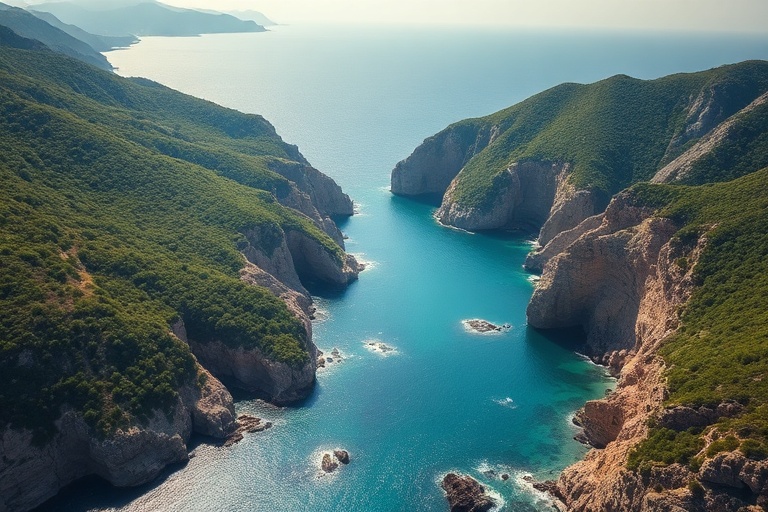
Both New Caledonia and Jamaica boast breathtaking natural beauty, drawing tourists from around the globe. New Caledonia is renowned for its stunning coral reefs, making it a hotspot for scuba diving and snorkeling. The UNESCO-listed lagoon is one of the largest in the world and is home to diverse marine life.
Jamaica, with its picturesque beaches and lush mountains, offers a different kind of allure. The island’s Blue Mountains provide a striking backdrop for adventure seekers, while its beaches, such as Seven Mile Beach in Negril, attract sunbathers and water sports enthusiasts alike.
Key Attractions
- New Caledonia:
- The Isle of Pines – Known for its white sandy beaches and crystal-clear waters.
- Nouméa – The capital city, offering a mix of French and Melanesian cultures.
- The Loyalty Islands – A group of islands known for their stunning lagoons and unique local cultures.
- Jamaica:
- Bob Marley Museum – A tribute to the reggae legend, located in his former home.
- Dunn’s River Falls – A famous waterfall that attracts thousands of visitors each year.
- Negril Cliffs – A stunning natural formation offering breathtaking sunset views.
Economic Influences and Challenges
The economies of New Caledonia and Jamaica are shaped by their unique resources and industries. New Caledonia’s economy is heavily reliant on nickel mining, which accounts for a significant portion of its GDP. This reliance on a single resource can present challenges, especially when global nickel prices fluctuate.
Jamaica’s economy, while also facing challenges, is more diversified. Tourism is a major driver, contributing significantly to the nation’s GDP. However, the country has grappled with issues such as crime and economic inequality, which can impact its tourism sector.
Conclusion
New Caledonia and Jamaica, while distinct in their cultural identities and economic structures, both offer rich experiences for visitors and residents alike. Their shared histories of colonization and the resilience of their indigenous cultures highlight the importance of preserving heritage amidst globalization. As they continue to develop and evolve, both islands remain vital parts of the global cultural mosaic.
For more insights into global destinations and cultural explorations, check out our Travel and Culture sections.