Understanding Tornadoes in Ohio: History, Safety, and Global Context
Understanding Tornadoes in Ohio
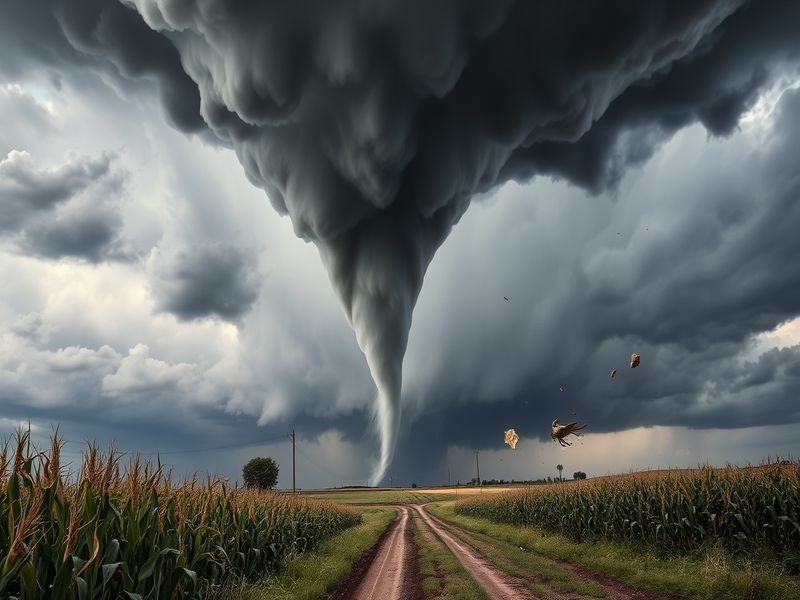
Ohio is no stranger to severe weather, particularly tornadoes. The Midwest, often referred to as “Tornado Alley,” experiences a significant number of tornadoes each year. Ohio’s geographical position makes it susceptible to the conditions that create these powerful storms. The state has a history of tornado activity, with some storms causing substantial damage and loss of life.
Unlike hurricanes, tornadoes can develop rapidly, often with little warning. The atmospheric conditions necessary for tornado formation include a combination of warm, moist air at the surface and cooler, dry air aloft. As these air masses interact, instability increases, leading to the potential for severe thunderstorms and, ultimately, tornadoes.
Historical Context of Tornadoes in Ohio
Ohio has experienced some notable tornado events throughout its history. The most devastating tornado in the state’s history struck Xenia on April 3, 1974, as part of a larger outbreak that affected multiple states. This tornado caused extensive damage, resulting in 33 fatalities and injuring over 1,000 people. Events like these have shaped Ohio’s approach to disaster preparedness and response.
In recent years, advancements in meteorological technology have improved forecasting and warning systems. Modern Doppler radar provides meteorologists with critical data, allowing for timely warnings that can save lives. The National Weather Service (NWS) plays a vital role in disseminating information to the public during severe weather events.
Preparing for Tornadoes: Safety Tips
- Stay informed through weather alerts and local news channels.
- Identify a safe location in your home, such as a basement or interior room on the lowest floor.
- Keep an emergency kit stocked with essentials like water, non-perishable food, and first aid supplies.
- Practice tornado drills with your family to ensure everyone knows what to do.
- Have a battery-powered weather radio to receive updates during power outages.
Additionally, it is crucial to have a communication plan in place. In the aftermath of a tornado, connectivity may be disrupted. Designating a meeting place or a contact person can help family members stay connected.
Global Perspective on Tornadoes
Tornadoes are not unique to Ohio or even the United States. They occur in various parts of the world, including Canada, the United Kingdom, and Australia. Each region has its own characteristics and patterns of tornado activity. For instance, in Canada, tornadoes are most common in the provinces of Alberta, Saskatchewan, and Manitoba, often occurring during the summer months.
Globally, the understanding and study of tornadoes have evolved over the years. Countries with a history of tornado occurrences invest in research and technology to improve forecasting and public safety measures. The collaboration between meteorological organizations worldwide enhances our understanding of these natural disasters, leading to better preparedness and response strategies.
In addition to the immediate impact of tornadoes, there are broader implications for communities. The recovery process can be lengthy and costly, often requiring significant resources. Local economies can be affected as businesses rebuild and residents navigate the aftermath of destruction.
Conclusion
Ohio’s experience with tornadoes serves as a reminder of the power of nature and the importance of preparedness. Understanding the conditions that lead to tornado formation, learning from historical events, and implementing safety measures can help mitigate the risks associated with these storms. As research continues and technology advances, communities will be better equipped to face the challenges posed by severe weather. Awareness and education are vital in ensuring safety and resilience in the face of nature’s unpredictability.
For more insights into weather phenomena and related topics, visit our News and Science sections.