Guatemala vs Algeria: A Comparative Overview
In the realm of international relations, Guatemala and Algeria present two distinct narratives shaped by their unique histories, cultures, and geopolitical contexts. This article explores various aspects of these nations, focusing on their political landscapes, economic conditions, and cultural attributes.
Political Landscapes
Guatemala, located in Central America, has undergone significant political changes over the past few decades. The aftermath of a long civil war that lasted from 1960 to 1996 has left a lasting impact on its political stability. Currently, Guatemala grapples with issues such as corruption, human rights violations, and a fragile democracy. Political scandals often dominate headlines, leading to public disillusionment.
On the other hand, Algeria, situated in North Africa, has a different political background. The nation gained independence from French colonial rule in 1962, resulting in a strong sense of national identity. However, political unrest has been prevalent, especially during the Hirak movement, which began in 2019. Citizens have demanded political reform and an end to the ruling elite’s dominance.
Economic Conditions
The economic landscapes of Guatemala and Algeria reveal stark contrasts influenced by their resources and development strategies. Guatemala’s economy is largely based on agriculture, with coffee and sugar being significant exports. Despite its resources, the country faces challenges such as poverty and inequality, which hinder overall economic growth.
In contrast, Algeria’s economy is heavily reliant on hydrocarbons, particularly oil and natural gas. These resources account for a significant portion of the country’s revenue. However, fluctuations in global oil prices have exposed vulnerabilities in Algeria’s economy, prompting calls for diversification and reform to ensure long-term stability.
Cultural Attributes
Culturally, Guatemala is rich in indigenous heritage, with over 20 different ethnic groups. This diversity is reflected in its languages, traditions, and art. Festivals like the Day of the Dead and various indigenous ceremonies showcase the vibrant cultural tapestry of the nation.
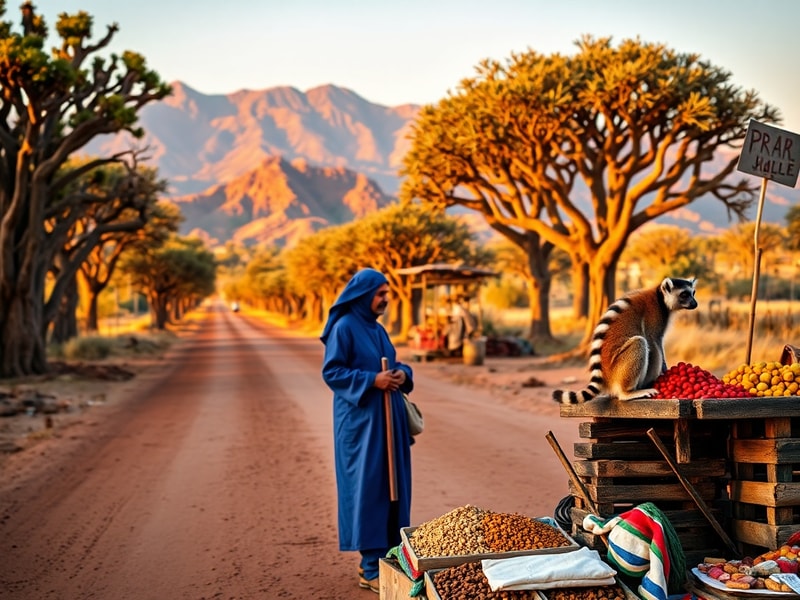
Algeria boasts a blend of Arab, Berber, and French influences, creating a unique cultural identity. The country’s music, particularly Raï, has gained international popularity, while traditional crafts and art reflect its historical journey. The culinary scene in Algeria features a fusion of flavors, with dishes such as couscous and tagines being staples.
Key Differences
- Political Stability: Guatemala faces ongoing challenges with corruption, while Algeria grapples with demands for political reform.
- Economic Base: Guatemala’s economy is agriculture-driven, whereas Algeria relies on hydrocarbons.
- Cultural Diversity: Guatemala showcases a rich indigenous heritage, while Algeria reflects a blend of Arab and Berber cultures.
Conclusion
In summary, Guatemala and Algeria represent two nations that, despite their geographical distance, share common challenges and distinctive identities. Understanding these differences and similarities sheds light on their respective journeys and the complexities of their political, economic, and cultural landscapes. As both countries continue to evolve, their paths will undoubtedly influence their future interactions on the global stage.
For more insights on international relations and cultural exchanges, visit our News and Analysis sections.