The Impact of Government Shutdowns on TSA Agents
The potential for a government shutdown raises significant concerns across various sectors, particularly for those who rely on federal employment. Among the most affected are Transportation Security Administration (TSA) agents, whose roles are crucial for maintaining safety in air travel. As travelers prepare for their journeys, uncertainty looms for the TSA workforce and the public alike.
Understanding the Role of TSA Agents
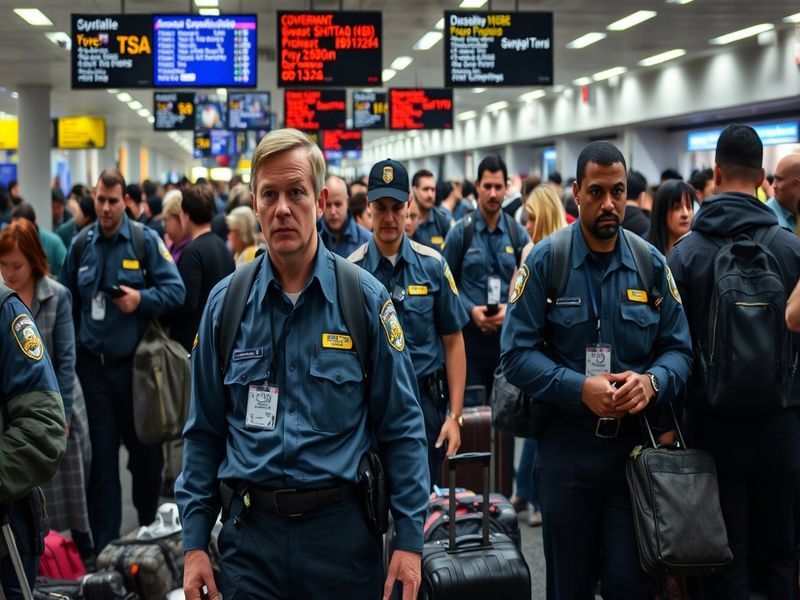
TSA agents are responsible for ensuring the security of the nation’s transportation systems. Their duties include screening passengers and baggage at airports, which is vital for preventing security threats. During a government shutdown, these agents face the possibility of unpaid furloughs, which can affect their morale and performance.
The implications of a government shutdown extend beyond individual TSA agents. It can lead to longer wait times at security checkpoints, increased passenger frustration, and a potential decline in air travel safety. The effectiveness of TSA operations hinges on the well-being and motivation of its workforce.
Historical Context of Government Shutdowns
Government shutdowns are not a new phenomenon in the United States. They occur when Congress fails to pass funding legislation for federal agencies. Historically, the impact on TSA operations has varied with each shutdown. For instance, during the 2018-2019 shutdown, TSA agents reported significant stress due to unpaid work, leading to a notable increase in absenteeism.
- 2013 Shutdown: Operations largely continued, but with reduced staffing.
- 2018-2019 Shutdown: Unprecedented levels of absenteeism, leading to longer lines and delays.
- 2021 Shutdown Discussions: Concerns about potential impacts were raised, but a shutdown was averted.
In each instance, the response from the TSA and the government highlighted the essential nature of these workers. The ongoing discussions around funding often underscore the need for better support and contingency planning for TSA agents during such crises.
Global Perspectives on TSA and Airport Security
The challenges faced by TSA agents during government shutdowns are mirrored in other countries as well. Many nations employ similar security measures to protect their air travel systems, often relying on government-funded personnel. For instance, countries in Europe and Asia face comparable issues when funding for security agencies is jeopardized.
Internationally, the effectiveness of airport security is paramount. Countries that have experienced financial cuts to their security agencies have seen a rise in public concern over safety. In some cases, privatization of security roles has been considered as a solution, but this approach comes with its own set of challenges.
- United Kingdom: The UK has faced debates over the funding of its airport security forces, impacting staffing levels.
- Australia: Similar discussions have emerged regarding the balance between security and cost-effectiveness.
- Canada: The Canadian security agency has managed to maintain operational integrity through stable funding, but pressures remain.
These global perspectives indicate that the issues surrounding TSA agents are a microcosm of broader concerns regarding public safety and government accountability. Each country’s approach to funding and managing security personnel reflects its values and priorities regarding safety and public service.
Conclusion: Preparing for Future Shutdowns
As discussions around government funding continue, it is essential to consider the implications for TSA agents and the broader public. The need for a reliable and motivated workforce is critical in maintaining the safety and efficiency of air travel. Policymakers must prioritize funding for TSA operations to prevent disruptions that can affect millions of travelers.
Moreover, as the global landscape evolves, the need for cooperation and shared best practices among nations becomes increasingly important. By learning from each other, countries can better prepare for potential shutdowns and ensure that their transportation security remains robust. Ultimately, the well-being of TSA agents and the integrity of airport security should be a priority for all stakeholders involved.