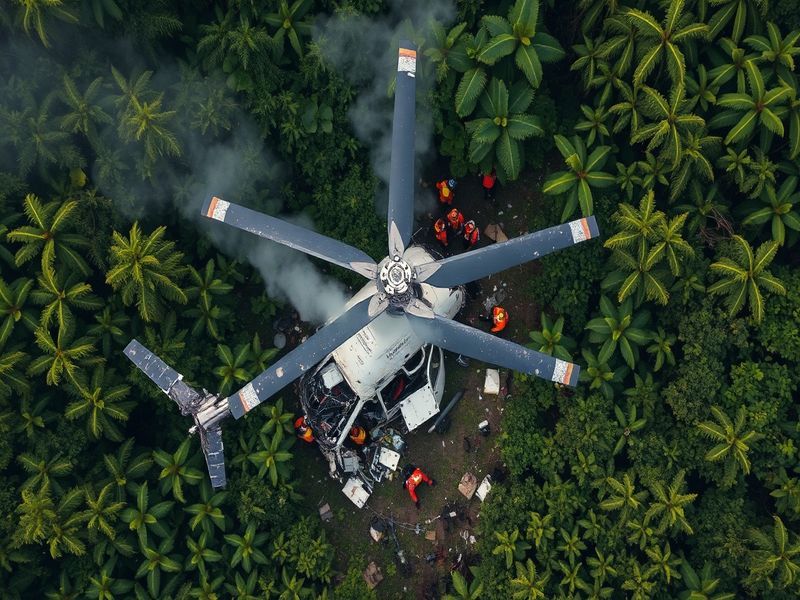
Kauai Helicopter Crash: A Tragic Incident and Its Implications
Kauai Helicopter Crash: A Tragic Incident in Hawaii
The recent helicopter crash in Kauai, Hawaii, has sent shockwaves through the community and beyond. This tragedy has not only claimed lives but has also raised concerns about helicopter safety in scenic tourist destinations. The incident serves as a grim reminder of the risks involved in aerial tours, particularly over rugged terrains.
Details of the Incident
On a sunny afternoon, a tour helicopter went down in the mountainous region of Kauai, known for its breathtaking views and challenging flying conditions. The aircraft was carrying six passengers, including a pilot, when it lost contact with air traffic control. Witnesses reported seeing the helicopter in distress before it crashed into a remote area.
Rescue teams were dispatched immediately, but the remote location of the crash site complicated recovery efforts. Unfortunately, all aboard were confirmed dead. The National Transportation Safety Board (NTSB) is currently investigating the incident to determine the cause.
Safety Concerns and Regulations
This tragic event has reignited discussions about safety regulations in the helicopter tourism industry. While helicopter tours are popular among visitors seeking to explore Hawaii’s stunning landscapes, the risks cannot be overlooked. Here are some key points to consider regarding helicopter safety:
- Regulatory Oversight: The Federal Aviation Administration (FAA) regulates helicopter operations, but enforcement can vary.
- Pilot Training: Ensuring that pilots undergo rigorous training and recurrent checks is essential for safety.
- Aircraft Maintenance: Regular maintenance checks can prevent mechanical failures that lead to accidents.
- Weather Conditions: Pilots must assess weather conditions critically before embarking on flights, especially in mountainous regions.
These factors play a crucial role in preventing incidents like the Kauai helicopter crash. The tourism industry must prioritize safety to protect both passengers and crew.
The Impact on Tourism and Local Communities
The effects of the crash extend beyond the immediate tragedy. Kauai heavily relies on tourism, and incidents like this can deter potential visitors. Tour operators may face increased scrutiny, and the public’s perception of helicopter tours may shift.
Local businesses that thrive on tourism could see a decline in customers, impacting the economy. It’s essential for the tourism sector to address safety concerns transparently to reassure travelers. Moreover, community support for the victims’ families must be prioritized. Local organizations are already mobilizing to provide assistance and support to those affected.
Conclusion
The Kauai helicopter crash is a tragic event that highlights the inherent risks of aerial tourism. As investigations continue, it is crucial for the industry to reflect on safety practices and regulations. Ensuring the safety of passengers and crew must be a top priority for tour operators. The community’s resilience and support for those impacted by this incident will be vital in the coming months.
For more insights on safety regulations and tourism in Hawaii, visit our Travel and News sections.