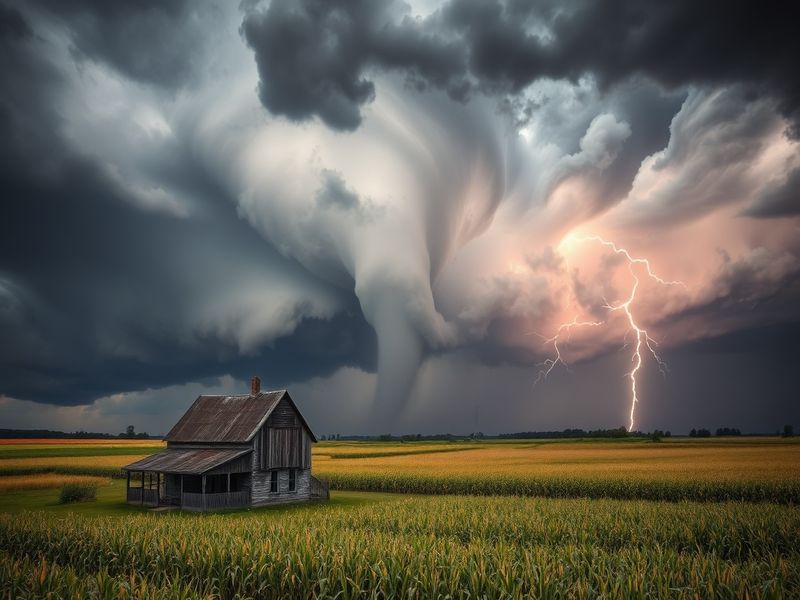
Understanding Tornadoes in Ohio
Ohio, situated in the heart of the Midwest, experiences a variety of weather phenomena, including tornadoes. These natural events can be particularly devastating, causing destruction and loss of life. Understanding the factors that contribute to tornado formation in this region is essential for preparedness and safety.
Weather Patterns Conducive to Tornado Formation
Tornadoes form under specific meteorological conditions, typically involving severe thunderstorms. In Ohio, the combination of warm, moist air from the Gulf of Mexico and cold, dry air from Canada creates an environment ripe for storm development. Here are some key factors that contribute to tornado formation:
- Temperature Differences: The clash between warm and cold air masses is crucial.
- Wind Shear: Variations in wind speed and direction at different altitudes create rotation.
- Moisture Levels: Humidity plays a significant role in storm intensity.
These elements often come together during the spring and early summer months, making this season particularly active for tornadoes in Ohio. The state has recorded numerous tornado events, with some notable outbreaks resulting in significant damage.
Historical Context of Tornadoes in Ohio
Ohio has a storied history with tornadoes, with some of the most significant occurrences dating back to the 19th century. The infamous Xenia tornado of 1974 devastated the city, resulting in 33 fatalities and widespread destruction. This event is a stark reminder of the power of tornadoes and the importance of preparedness.
In recent years, advancements in meteorology have improved our ability to predict and track tornadoes. With tools like Doppler radar and storm chasers, authorities can issue timely warnings, potentially saving lives and minimizing damage. However, despite these advancements, tornadoes remain unpredictable and can strike with little warning.
Impact on Communities and Preparedness Strategies
The impact of tornadoes extends beyond physical destruction; it affects communities, economies, and mental health. Rebuilding after a tornado can take years, and the emotional toll on survivors can be significant. Communities must adopt preparedness strategies to mitigate the effects of such disasters.
Here are some effective preparedness strategies:
- Education: Communities should educate residents on tornado safety and warning signs.
- Emergency Plans: Establish clear emergency plans that include designated shelters.
- Community Drills: Regular drills can enhance response times during an actual event.
Local governments and organizations play a vital role in implementing these strategies. Collaboration between meteorologists, emergency services, and community leaders is essential for effective disaster response.
Global Perspective on Tornadoes
While Ohio is known for its tornado activity, tornadoes are a global phenomenon. Countries such as the United States, Canada, and parts of Europe experience tornadoes, albeit under different climatic conditions. For instance, the frequency and intensity of tornadoes in the United States, particularly in “Tornado Alley,” often surpass those in other regions.
Internationally, tornado preparedness varies significantly. In some countries, like the United Kingdom, tornadoes are less common and often less severe. However, the need for awareness and preparedness is universal. Understanding the cultural context of weather phenomena is essential for developing effective response strategies.
As climate change continues to influence weather patterns, the frequency and intensity of tornadoes may also change. This presents new challenges for communities worldwide. Increased collaboration and knowledge-sharing across borders will be vital in addressing these challenges.
Conclusion
Tornadoes in Ohio represent a complex interplay of meteorological factors, historical context, and community preparedness. As climate patterns evolve, staying informed and prepared remains critical. By understanding the dynamics of tornado formation and implementing effective strategies, communities can enhance their resilience against these powerful storms.
For further insights into weather phenomena and their impact on communities, visit our Science section. Explore more about local sports and events in our Sports category.