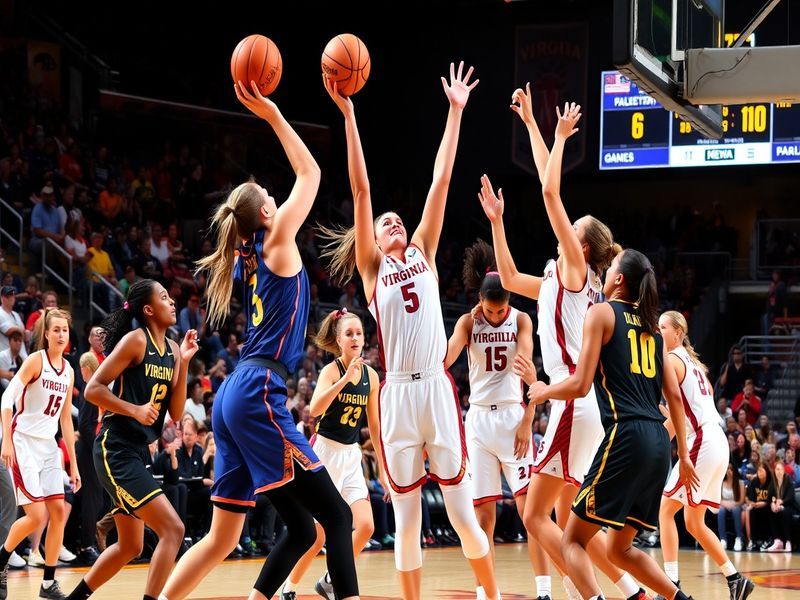
Every spring, college basketball takes center stage in the United States. The NCAA Division I Men’s Basketball Tournament, affectionately known as March Madness, transforms 68 teams into national contenders. This single-elimination tournament captivates millions with its unpredictable outcomes and dramatic narratives. More than just a sporting event, March Madness has become a cultural institution that bridges athletics, education, and entertainment.
The History and Evolution of March Madness
March Madness traces its origins to 1939, when the first NCAA tournament featured just eight teams. Organized by the National Association of Basketball Coaches, the event was designed to crown a national champion in college basketball. The field expanded gradually over the decades, reaching 64 teams in 1985—a format that would become iconic.
The term “March Madness” was first used in 1939 by an Illinois high school official named Henry V. Porter. The phrase resurfaced in the 1980s when CBS broadcaster Brent Musburger popularized it during tournament broadcasts. By the 1990s, the NCAA officially trademarked the phrase, cementing its place in sports lexicon.
Television coverage played a crucial role in the tournament’s growth. CBS’s partnership with the NCAA in 1991 brought March Madness to living rooms nationwide. The introduction of the “First Four” in 2011 expanded the field to 68 teams, while digital streaming and social media have made the event more accessible than ever before.
Key Milestones in March Madness History
- 1939: First NCAA tournament held with 8 teams
- 1951: Field expands to 16 teams
- 1985: Bracket reaches 64 teams
- 1991: CBS begins national television coverage
- 2011: “First Four” round introduced, expanding field to 68
- 2016: Live streaming of all games through NCAA March Madness Live app
The Economic Impact of March Madness
March Madness generates billions in economic activity annually. According to the NCAA, the 2023 tournament contributed approximately $1.1 billion to the U.S. economy. Host cities experience significant boosts in tourism, hospitality, and local business revenue. The infusion of visitors creates temporary economic surges that benefit hotels, restaurants, and retail establishments.
Television rights alone account for the NCAA’s largest revenue source—nearly $800 million annually from CBS/Turner Sports. Corporate sponsorships, ticket sales, and merchandise contribute additional millions. The economic ripple effect extends beyond the tournament itself, influencing college athletic budgets and institutional priorities.
For smaller schools, participation in March Madness provides invaluable exposure. A single tournament run can lead to increased applications, donations, and alumni engagement. Schools like Gonzaga and Butler saw their national profiles rise dramatically after Cinderella runs in the tournament.
Why March Madness Captures America’s Attention
Few sporting events match March Madness’s blend of drama, emotion, and unpredictability. The tournament’s single-elimination format ensures that any team can beat any opponent on a given day. Underdogs like the 2018 Loyola-Chicago Ramblers and 2023 Fairleigh Dickinson Knights captured national attention with their improbable runs.
The tradition of filling out brackets adds a unique social dimension. Office pools, family competitions, and online platforms engage millions who might not otherwise follow college basketball. The NCAA estimates that over 60 million Americans participate in bracket challenges each year, making March Madness the most widely followed sporting event after the NFL playoffs.
Technology has amplified the tournament’s reach. Streaming services allow fans to watch every game live, while social media platforms buzz with analysis, highlights, and reactions. The NCAA’s digital-first approach has transformed March Madness from a televised event into a year-round engagement platform.
The Psychological Appeal of March Madness
- Hope and Possibility: Every team starts with a clean slate and a chance to win a national title.
- Emotional Investment: Fans connect with players’ personal stories, from walk-ons to future NBA stars.
- Nostalgia: The tournament evokes memories of past champions and legendary performances.
- Community: Bracket challenges create shared experiences across generations and geographies.
- Cultural Touchstone: March Madness has become as much about the event as the games themselves.
The Broader Implications of March Madness
Beyond the court, March Madness influences college sports culture and higher education. The tournament’s financial success funds other NCAA sports programs, ensuring that athletes in less lucrative sports receive scholarships and resources. However, the commercialization of college basketball has also sparked debates about amateurism and athlete compensation.
The NCAA has faced increasing scrutiny over its treatment of student-athletes. The Supreme Court’s 2021 decision in NCAA v. Alston opened the door for athletes to profit from their name, image, and likeness (NIL). March Madness remains at the center of these discussions, as players seek fair compensation while maintaining the tournament’s amateur spirit.
Educational institutions also leverage tournament success for recruitment and fundraising. A strong basketball program can enhance a school’s visibility and prestige. Conversely, athletic department budgets face scrutiny when programs underperform or fail to meet financial expectations.
The cultural impact of March Madness extends globally. International players and coaches have become integral to the sport’s growth. Teams like Duke and Kentucky regularly feature top global talent, while the tournament’s global broadcast reach extends to over 200 countries.
March Madness represents the intersection of sport, education, and commerce. Its ability to captivate millions while sparking important conversations about amateurism and higher education makes it more than just a basketball tournament.
Looking Ahead: The Future of March Madness
The next decade will bring significant changes to March Madness. Expansion discussions continue, with proposals to increase the field to 96 teams. The NCAA has also explored regionalizing the tournament to reduce travel costs and improve sustainability.
Technology will play an even larger role. Virtual reality broadcasts, AI-driven analytics, and personalized viewing experiences could transform how fans engage with the tournament. The NCAA’s commitment to digital innovation ensures that March Madness remains relevant in an increasingly fragmented media landscape.
Social issues will also shape the tournament’s future. Athlete activism has become more visible during March Madness, with players using the platform to advocate for social justice and educational equity. The NCAA’s response to these movements will determine how the organization balances tradition with progress.
One thing remains certain: March Madness will continue to captivate audiences with its unique blend of competition, culture, and community. As the tournament evolves, it will remain a testament to the power of college sports to inspire, unite, and challenge us.
For fans, the madness is just beginning. As the brackets are filled and the Cinderella stories unfold, one thing is clear—March Madness is here to stay.