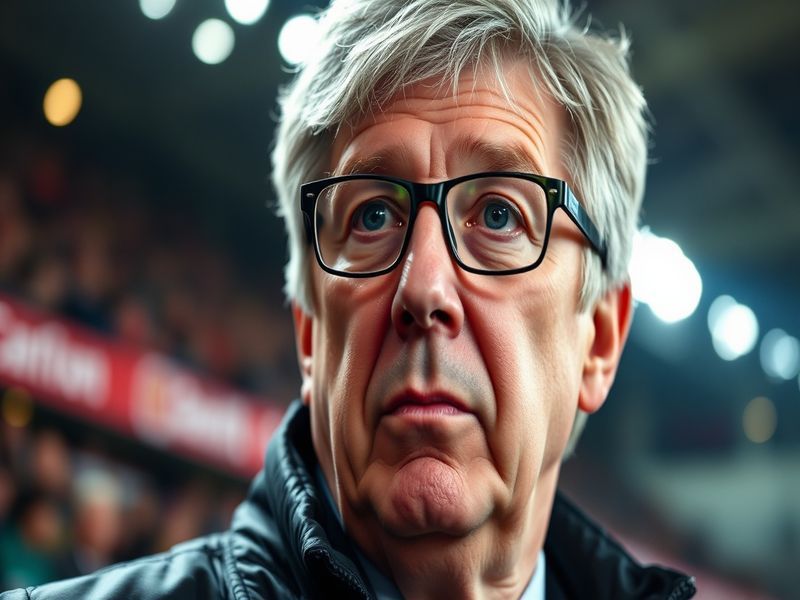
Roy Hodgson: A Journey Through Football Management
Introduction to Roy Hodgson
Roy Hodgson, a name synonymous with football management, has enjoyed a career spanning over four decades. His journey has taken him through various clubs and national teams, showcasing his tactical acumen and resilience. Known for his calm demeanor and strategic approach, Hodgson has made significant contributions to the sport both in the UK and internationally.
Early Life and Career
Born on August 9, 1947, in Croydon, London, Hodgson developed a passion for football at a young age. He began his playing career at Crystal Palace but soon transitioned into management. His first significant role came at Swedish club Halmstads BK, where he led the team to two league titles in the 1970s. This success marked the beginning of a storied managerial career that would see him work across Europe.
Management Style and Philosophy
Hodgson’s management style is characterized by a focus on organization and discipline. He often emphasizes the importance of teamwork and tactical awareness. His teams are known for their solid defensive structures, which he believes is crucial for success in competitive football.
Throughout his career, Hodgson has been a proponent of adapting to the strengths and weaknesses of his players. This flexibility has allowed him to succeed in various leagues and with different styles of play. His ability to communicate effectively with players from diverse backgrounds has also contributed to his longevity in the sport.
Key Achievements
Roy Hodgson’s career is marked by numerous achievements, both at the club and international levels. Some of his notable accomplishments include:
- Winning the Allsvenskan with Halmstads BK in 1976 and 1979
- Leading Inter Milan to a UEFA Cup victory in 1994
- Guiding Fulham to the UEFA Europa League final in 2010
- Managing the England national team from 2012 to 2016, including reaching the quarter-finals of UEFA Euro 2012
His tenure at clubs like Liverpool and Crystal Palace also highlighted his ability to work in high-pressure environments, navigating the challenges that come with managing top-tier teams.
Global Influence and Legacy
Hodgson’s influence extends beyond the pitch. His work in various countries has helped to promote football globally. In Sweden, his early success paved the way for increased interest in the sport, while his time in Switzerland and Finland further established his reputation as a tactical innovator.
Moreover, Hodgson’s approach to player development has left a lasting impact. He has often focused on nurturing young talent, ensuring that future generations are well-prepared to compete at the highest levels. His emphasis on education and professionalism has inspired many young coaches and players alike.
As football continues to evolve, Hodgson’s methods and philosophies remain relevant. His commitment to the sport and ability to adapt to changing dynamics serve as a valuable lesson for aspiring managers worldwide.
Conclusion
Roy Hodgson’s journey through the world of football is a testament to his dedication and expertise. From his early days in Sweden to managing some of the biggest clubs in England, his impact on the sport is undeniable. As he continues to inspire both players and coaches, Hodgson’s legacy will likely endure for many years to come.
For more insights into sports management and coaching techniques, check out our Sports category on Dave’s Locker.