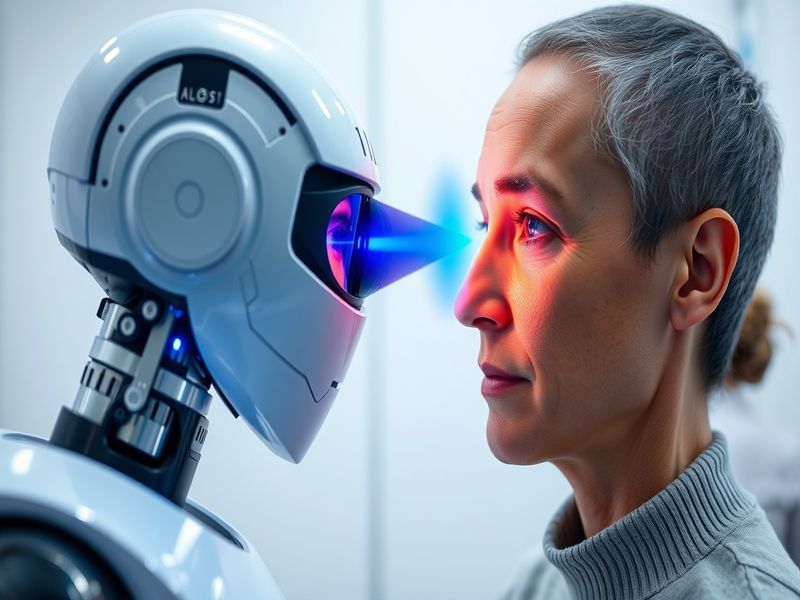
The Impact of AI on Medical Documentation in Healthcare
The Rise of AI in Medical Documentation
The integration of artificial intelligence (AI) into healthcare is transforming various aspects of patient care, with medical documentation being a significant focus. AI-driven solutions are enhancing the efficiency and accuracy of documentation processes, allowing healthcare professionals to devote more time to patient care rather than administrative tasks. This article explores the implications of AI in medical documentation, examining its benefits, challenges, and future potential.
Benefits of AI in Medical Documentation
AI technologies are reshaping the way medical records are created and maintained. Here are some of the key benefits:
- Increased Efficiency: AI can automate routine documentation tasks, reducing the time healthcare providers spend on paperwork.
- Enhanced Accuracy: AI algorithms can minimize human errors in data entry, ensuring that patient records are more reliable.
- Real-time Data Analysis: AI can analyze large volumes of data quickly, providing insights that can enhance clinical decision-making.
- Improved Patient Engagement: By streamlining documentation, healthcare providers can focus more on patient interactions, fostering better communication.
Challenges and Ethical Considerations
Despite the advantages, the implementation of AI in medical documentation is not without challenges. Privacy concerns are paramount, as sensitive patient data must be protected from unauthorized access. Additionally, there are ethical considerations regarding the reliance on AI for decision-making in patient care.
Some challenges include:
- Data Security: Safeguarding patient information against cyber threats is critical, especially as more data is digitized.
- Bias in Algorithms: AI systems can perpetuate existing biases if the data used to train them is not representative of diverse populations.
- Regulatory Compliance: Adhering to healthcare regulations, such as HIPAA, is essential when implementing AI solutions.
These challenges necessitate a cautious approach to the deployment of AI technologies in healthcare settings.
The Future of AI in Medical Documentation
Looking ahead, the future of AI in medical documentation appears promising. Innovations in natural language processing (NLP) and machine learning are paving the way for more sophisticated AI applications. These advancements can lead to even more streamlined documentation processes, allowing for better patient outcomes.
Furthermore, as AI continues to evolve, we can expect:
- Greater Integration: AI tools will become increasingly integrated into electronic health record (EHR) systems, enhancing usability.
- Personalized Medicine: AI can assist in tailoring treatment plans based on individual patient data, leading to more effective care.
- Interdisciplinary Collaboration: AI will facilitate collaboration among different healthcare providers, resulting in comprehensive patient care.
Conclusion
The role of AI in medical documentation is undeniably transformative. While there are challenges to address, the benefits of enhanced efficiency and accuracy cannot be overlooked. As technology continues to advance, the healthcare industry must navigate ethical considerations and ensure that AI implementations prioritize patient safety and data security. The future of medical documentation will likely be characterized by a harmonious blend of AI capabilities and human expertise, ultimately leading to better healthcare delivery. For more insights into technology in healthcare, visit our Technology and Health sections.