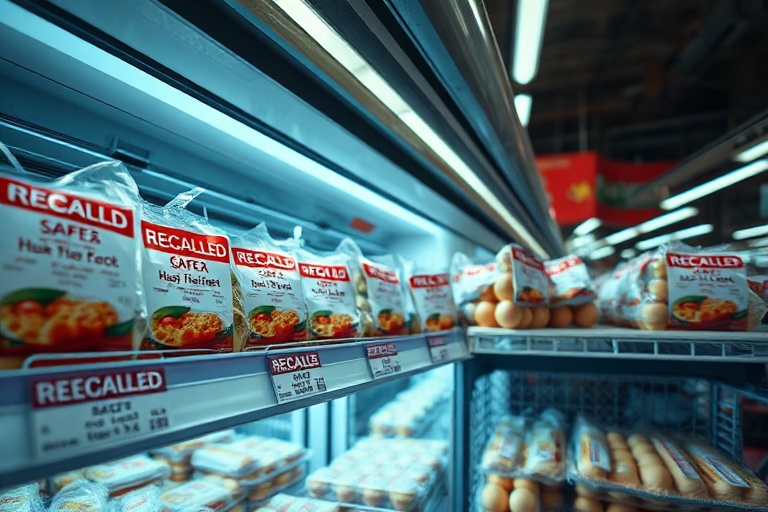
The recent surge in salmonella-related food recalls has sent ripples through global supply chains, raising concerns about food safety and regulatory oversight. From frozen meals to fresh produce, contaminated products have triggered massive recalls across multiple continents, underscoring the fragility of international food distribution networks. This isn’t just an isolated incident—it reflects broader systemic challenges in food safety protocols.
Why Salmonella Outbreaks Are Becoming More Frequent
Salmonella remains one of the leading causes of foodborne illness worldwide, with an estimated 93.8 million cases annually, according to the World Health Organization. Several factors contribute to its persistence:
- Globalization of Food Supply: Ingredients often travel thousands of miles before reaching consumers, increasing exposure to contamination risks.
- Agricultural Practices: Large-scale farming operations, particularly in poultry and egg production, can facilitate rapid bacterial spread.
- Climate Change: Rising temperatures create ideal conditions for bacterial growth in food storage and transport.
- Regulatory Gaps: Inconsistent enforcement of food safety laws between countries allows contaminated products to slip through the cracks.
The U.S. alone has seen over 30 major salmonella recalls in 2024, a sharp increase from previous years. Meanwhile, Europe has reported similar spikes, with one recent incident involving contaminated tahini from the Middle East affecting multiple EU nations.
The Human Cost: Who Bears the Brunt of Contamination?
Beyond the economic losses for food producers and retailers, salmonella outbreaks disproportionately affect vulnerable populations. Children under five, the elderly, and immunocompromised individuals face the highest risk of severe illness or hospitalization. In 2023, a multistate outbreak linked to cantaloupes resulted in 157 hospitalizations and four deaths in the U.S. alone.
Cultural dietary habits also play a role in exposure. In East Asia, where raw seafood consumption is common, salmonella contamination in fish has led to public health advisories. Conversely, in Western diets heavy on processed foods, undercooked poultry remains a persistent threat. The recall of a popular frozen chicken bowl brand in Canada earlier this year highlighted how even convenience foods aren’t immune to contamination.
How Governments and Companies Are Responding
In response to mounting pressure, regulatory bodies are tightening controls. The U.S. Food and Drug Administration (FDA) has proposed new traceability rules requiring food producers to document supply chain movements in greater detail. Meanwhile, the European Food Safety Authority (EFSA) has called for harmonized standards across member states to prevent cross-border contamination.
Food corporations are also adapting. Major retailers like Walmart and Kroger have implemented blockchain-based tracking systems to monitor product origins. However, smaller producers—particularly in developing nations—often lack the resources to comply with stricter regulations, creating an uneven playing field.
Consumer advocacy groups are pushing for greater transparency. Organizations like the Center for Science in the Public Interest have demanded clearer labeling on products with known contamination risks. Social media campaigns have also amplified public awareness, with influencers and food safety experts sharing prevention tips.
What Consumers Can Do to Stay Safe
While systemic change is necessary, individuals can take steps to minimize risk. The CDC recommends:
- Cooking poultry, ground meats, and eggs thoroughly.
- Washing hands, utensils, and surfaces after handling raw meat.
- Avoiding cross-contamination by separating raw and cooked foods.
- Checking recall notices on the FDA website before purchasing.
For those who prefer organic or locally sourced foods, small farms may offer safer alternatives—but thorough research is essential, as even organic products aren’t guaranteed salmonella-free.
Looking Ahead: Can the Food Industry Bounce Back?
The path forward requires collaboration between governments, corporations, and consumers. Investment in food safety technology—such as AI-driven contamination detection—could revolutionize recall efficiency. Meanwhile, public education campaigns must emphasize that foodborne illness isn’t just an inconvenience; it’s a preventable health crisis.
As global supply chains grow more complex, the challenge of eliminating salmonella will only intensify. Yet, with stricter regulations and proactive measures, the food industry can regain consumer trust. Until then, the next recall could be just one contaminated batch away.
For more updates on food safety and recalls, follow Dave’s Locker News for real-time alerts.
Disclaimer: This article is for informational purposes only and should not replace professional medical or food safety advice.