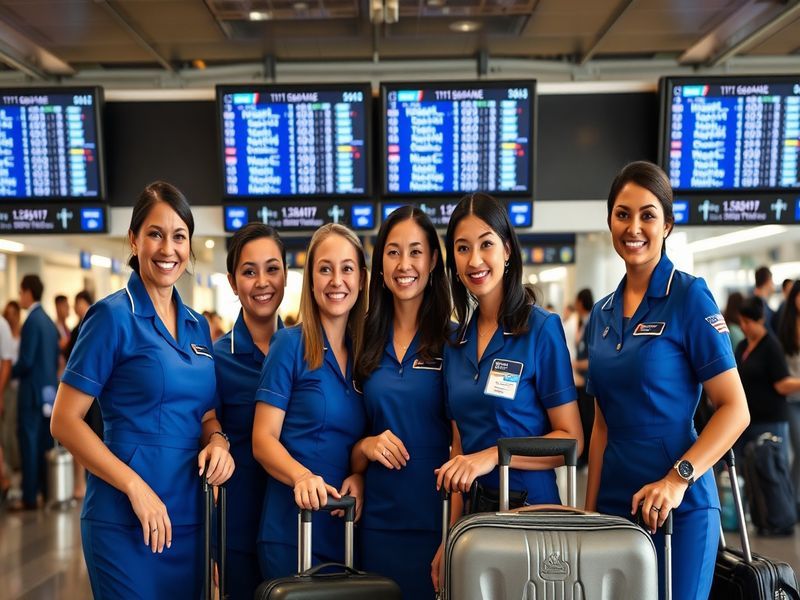
American Airlines Flight Attendants: The Heroes Keeping Skies Safe
Meet the Crew Keeping Skies Friendly
American Airlines operates one of the largest fleets in the world, with over 900 aircraft serving 350 destinations across more than 50 countries. Behind every safe and comfortable flight are the flight attendants—professionals who blend hospitality, safety expertise, and customer service into a single role. These crew members are the first faces passengers see upon boarding and the last they see before disembarking, often shaping the entire travel experience in just a few hours.
Flight attendants at American Airlines undergo rigorous training at the Fort Worth-based Flight Service Training Center, one of the most advanced aviation training facilities in the world. The program spans several weeks and covers everything from emergency procedures and medical response to passenger conflict resolution and cultural sensitivity. Not everyone makes it through. Only those who demonstrate both technical proficiency and emotional intelligence graduate and earn their wings.
The Daily Flight: More Than Just Serving Peanuts
While many associate flight attendants primarily with meal service or drink carts, their responsibilities are far more extensive. A typical shift begins hours before a flight even takes off. Crews arrive early to review flight plans, weather conditions, and any special passenger needs such as medical concerns or unaccompanied minors. They inspect the cabin for cleanliness and safety, check emergency equipment, and coordinate with pilots and ground staff.
Once passengers board, the role shifts to hospitality. Flight attendants greet travelers, assist with stowage, provide safety briefings, and ensure compliance with federal regulations. During flight, they monitor cabin pressure, oxygen levels, and turbulence, ready to act instantly in an emergency. Turbulence, while often mild, can become dangerous without proper preparation. Flight attendants must secure the cabin, calm nervous passengers, and maintain order even when the plane shakes unexpectedly.
Safety First: The Critical Role of Flight Attendants
Flight attendants are certified by the Federal Aviation Administration (FAA) as essential safety personnel, not just service staff. Their training includes fire suppression, evacuation procedures, first aid, and even how to land an aircraft in a simulator if necessary. In 2023 alone, American Airlines flight attendants performed over 1,200 medical interventions mid-flight, ranging from treating allergic reactions to assisting with childbirth.
One of the most critical moments in any flight is the pre-landing safety demonstration. Whether automated or live, this moment is crucial for passenger awareness. Flight attendants don’t just recite instructions—they watch for comprehension, answer questions, and ensure seatbelts are fastened. Their vigilance can mean the difference between a safe landing and a catastrophe.
In emergencies such as rapid depressurization or onboard fires, flight attendants are trained to respond within seconds. They’ve been known to extinguish flames in lavatories, perform CPR at 30,000 feet, and guide evacuations on darkened runways. These actions aren’t just professional—they’re lifesaving.
Life Beyond the Flight Deck: Challenges and Rewards
Working as a flight attendant offers unparalleled opportunities to travel, meet people from diverse backgrounds, and experience cultures worldwide. Many crew members cite the people they meet as the most rewarding part of the job. From business travelers sharing stories of global deals to families reuniting after years apart, each flight brings a new narrative.
Yet, the lifestyle is demanding. Flight attendants often work 14-hour days, deal with time zone changes, and spend nights away from home. Irregular schedules disrupt sleep patterns, social lives, and family routines. Senior flight attendants describe “bid periods”—months-long schedules set months in advance—as a delicate puzzle of balancing seniority, preferences, and operational needs.
Despite the challenges, job satisfaction remains high. A 2024 survey by the Association of Flight Attendants (AFA) found that over 85% of American Airlines flight attendants reported pride in their work, citing purpose, adventure, and community among their top motivations. Many view their role not just as a job, but as a calling.
The Future of Flight Attendants in a Changing Industry
The aviation industry is evolving rapidly, and flight attendants are at the center of this transformation. With the rise of long-haul, ultra-low-cost carriers and the growing demand for sustainability, the role is being redefined. American Airlines has introduced more fuel-efficient aircraft like the Boeing 787 Dreamliner, which features quieter cabins and advanced air filtration systems—changes that require retraining for crew members.
Digital transformation is also reshaping the passenger experience. Mobile check-in, app-based meal ordering, and contactless boarding are reducing the need for traditional service interactions. Yet, flight attendants remain vital in managing exceptions—helping elderly passengers, calming anxious flyers, or resolving disputes that technology cannot.
Another growing concern is mental health. The stress of dealing with difficult passengers, irregular sleep, and high-stakes environments has led to increased burnout. American Airlines has responded by expanding mental health resources, peer support programs, and wellness initiatives for its flight attendants.
What Every Traveler Should Know About Flight Attendants
Passengers often don’t realize how much flight attendants do behind the scenes. Here are a few key points every traveler should keep in mind:
- They are safety professionals first. A warm smile is part of the job, but their primary responsibility is your survival.
- Patience is a core skill. Flight attendants handle everything from lost boarding passes to medical emergencies with calm professionalism.
- They notice more than you think. From unbuckled seatbelts during turbulence to signs of illness, their observation skills are finely tuned.
- Tipping isn’t expected—but kindness is always appreciated. Unlike servers in restaurants, flight attendants are paid a living wage by the airline, though tips may be left in some international markets.
- Respect goes a long way. A simple “thank you” or acknowledgment of their effort can brighten a long flight.
A Lasting Legacy of Service
American Airlines flight attendants represent a legacy of service that dates back to the 1930s, when the airline first hired “sky girls” to reassure passengers during the early days of commercial aviation. Today, their role has expanded into a blend of hospitality, safety, and global citizenship. They are educators, caregivers, protectors, and ambassadors of American hospitality around the world.
In an era where air travel is often taken for granted, flight attendants remind us that every journey—whether for business or pleasure—is made possible by human skill, dedication, and care. Next time you board a flight, take a moment to appreciate the professionals who ensure you arrive safely, comfortably, and maybe even with a smile.
As one veteran flight attendant put it: “We’re not just serving drinks. We’re keeping the sky friendly.”
Explore more travel insights on Dave’s Locker or dive into cultural perspectives on modern work life.