Understanding the Role of American Airlines Flight Attendants
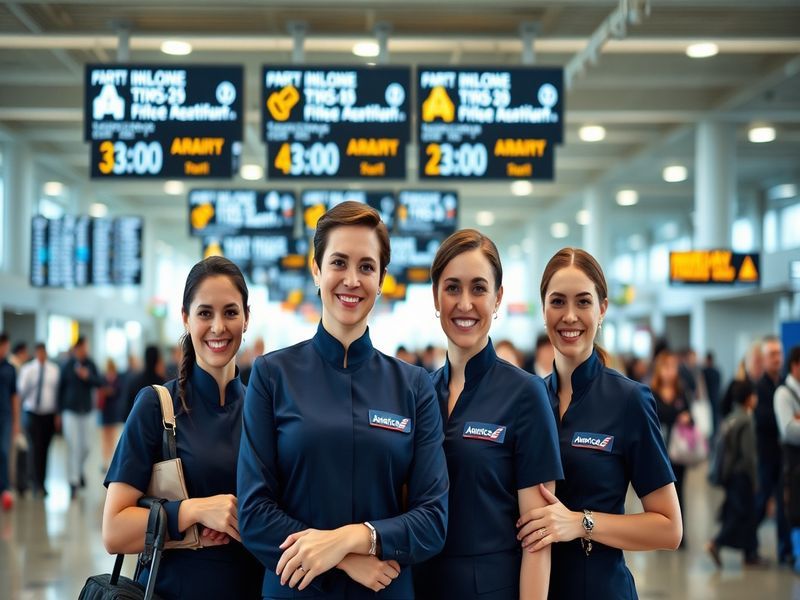
Flight attendants play a crucial role in the aviation industry, serving as the first line of customer service for airlines. American Airlines, one of the largest airlines in the world, employs thousands of flight attendants who manage everything from passenger safety to in-flight service. Their responsibilities go beyond simply serving drinks; they are trained professionals equipped to handle emergencies, assist passengers, and ensure a pleasant travel experience.
Key Responsibilities of Flight Attendants
American Airlines flight attendants take on a variety of responsibilities that can be categorized into several key areas:
- Safety Protocols: Flight attendants are trained to handle emergencies, including medical situations and aircraft evacuations.
- Passenger Service: They provide assistance with boarding, in-flight meals, and customer inquiries.
- Conflict Resolution: Flight attendants often mediate conflicts between passengers, ensuring a peaceful cabin environment.
- Compliance: They ensure that all safety regulations and airline policies are adhered to during flights.
These responsibilities demand a unique skill set, including excellent communication abilities, quick decision-making skills, and a calm demeanor under pressure. The role of a flight attendant is not just a job; it requires dedication and resilience.
Training and Qualifications
To become a flight attendant with American Airlines, candidates must meet specific qualifications and undergo extensive training. The hiring process is competitive, with many applicants vying for a limited number of positions. Key qualifications include:
- Minimum age of 20 years.
- High school diploma or equivalent; a college degree is often preferred.
- Fluency in English; proficiency in other languages is a plus.
- Customer service experience.
- Ability to pass a background check and drug screening.
Once hired, flight attendants undergo a rigorous training program that covers safety procedures, customer service skills, and emergency response tactics. This training can last several weeks and is critical to ensuring they are prepared for the various challenges they may face during flights.
The Broader Implications of the Role
The role of flight attendants extends beyond individual airlines; it reflects broader trends in the aviation industry and society. Customer expectations have evolved, with travelers seeking more personalized service and comfort during their journeys. This shift has led airlines like American Airlines to invest significantly in training their staff to meet these demands.
Moreover, flight attendants often act as representatives of their airline, influencing passengers’ perceptions and experiences. A positive interaction with a flight attendant can enhance customer loyalty, while a negative experience can lead to lasting dissatisfaction. This dynamic emphasizes the importance of soft skills in the role.
Additionally, the ongoing challenges posed by the COVID-19 pandemic have reshaped the responsibilities of flight attendants. With heightened health concerns, they have adapted to new protocols, such as enforcing mask mandates and ensuring cleanliness in the cabin. These changes reflect not only the evolving nature of their role but also the airline industry’s commitment to passenger safety.
Conclusion
American Airlines flight attendants are integral to the airline’s operations, embodying the values of safety, service, and professionalism. As the airline industry continues to navigate changes and challenges, the role of flight attendants remains vital. Their training, adaptability, and commitment to customer service are essential components that contribute to a positive travel experience.
For more insights into the aviation industry and travel experiences, check out our Travel and News sections.