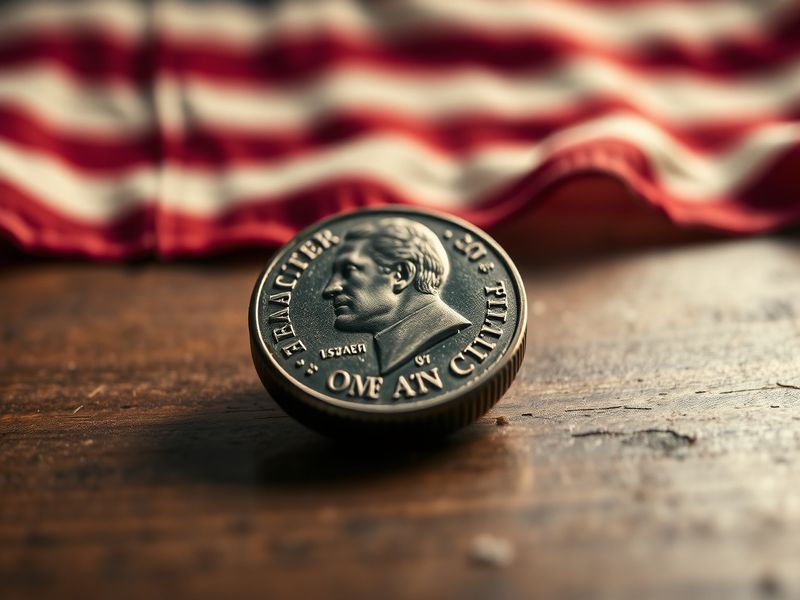
The Nickel Coin: A Global Perspective
The nickel coin, often overlooked in everyday transactions, plays a significant role in various economies around the world. This five-cent piece, primarily made of nickel and copper, has a rich history and cultural significance that extends beyond its monetary value. From its origins to its current use, the nickel coin reflects the evolution of currency and societal values.
Historical Origins of the Nickel Coin
The nickel coin traces its roots back to the early 19th century. The first official nickel coin in the United States was minted in 1866, marking a shift from earlier forms of currency that relied heavily on silver and gold. The introduction of nickel coins was primarily driven by the need for a more durable and affordable form of currency that could withstand everyday use.
Globally, the concept of nickel coins has evolved differently. For instance, Canada introduced its nickel coin in 1922, which has since become a staple in Canadian currency. Other countries, such as Australia and several European nations, also adopted nickel coins, each with unique designs and values.
Cultural Significance and Symbolism
Nickel coins often carry symbolic meanings in various cultures. In the United States, the nickel features the image of Thomas Jefferson, a founding father and the third President. This choice reflects American values of democracy and history, while also serving as a reminder of the nation’s past.
In other cultures, nickel coins may symbolize prosperity or luck. For example, in certain Asian cultures, giving coins as gifts during the Lunar New Year is believed to bring good fortune. The act of gifting coins, including nickels, represents the wish for wealth and success in the coming year.
Global Variations of Nickel Coins
The design and usage of nickel coins can vary widely from one country to another. Below are some notable examples:
- United States: The nickel features Thomas Jefferson on the front and Monticello on the reverse side.
- Canada: The Canadian nickel depicts a beaver, a national symbol, and is made of nickel-plated steel.
- Australia: The Australian five-cent coin is made of copper-nickel and showcases a depiction of the echidna.
- Eurozone: Several European countries use a five-cent coin that is made of copper and nickel, often featuring unique national symbols.
These examples illustrate how the nickel coin serves not only as a means of exchange but also as a representation of national identity and culture.
Modern Usage and Challenges
In recent years, the use of nickel coins has faced challenges due to the rise of digital currencies and cashless transactions. Many consumers now prefer credit cards, mobile payments, and other electronic forms of payment, leading to a decline in the usage of physical coins. This trend raises questions about the future of the nickel coin and its relevance in modern economies.
Despite these challenges, some argue that coins, including nickels, continue to hold value. They are often used in vending machines, parking meters, and other cash-only transactions. Furthermore, coins can serve as a tangible reminder of monetary value, which digital forms may lack.
Conclusion
The nickel coin is more than just a five-cent piece; it embodies a rich tapestry of history, culture, and economic significance. As societies evolve and adapt to new technologies, the future of the nickel coin remains uncertain. However, its historical roots and cultural implications ensure that it will always hold a place in the story of currency. Understanding the nickel coin’s role globally can provide insights into how we view money and its significance in our lives.
For those interested in exploring more about currency and its cultural contexts, check out our related articles in the Business and Finance sections.