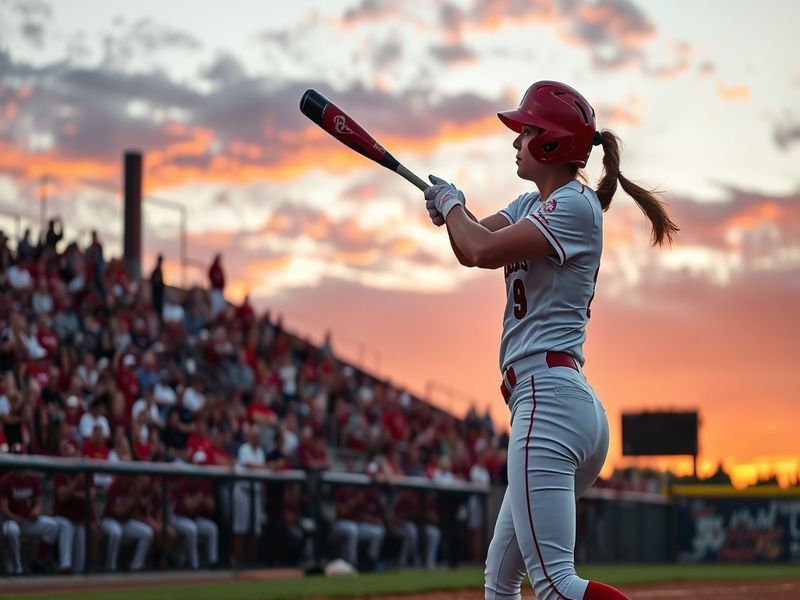
The University of Oklahoma’s softball program has cemented itself as a powerhouse in collegiate sports. Under the leadership of head coach Patty Gasso, the Sooners have transformed into a relentless force, consistently ranking among the top programs in the nation. Their success isn’t just about wins and losses—it’s about culture, strategy, and an unwavering commitment to excellence.
What sets OU softball apart isn’t just the talent on the field but the infrastructure and philosophy behind it. The program’s rise to prominence reflects broader trends in collegiate athletics, where investment in facilities, coaching, and athlete development has become a deciding factor in success. For aspiring players and fans alike, OU softball serves as a blueprint for what’s possible when resources and vision align.
The Evolution of OU Softball
OU softball’s journey to the top hasn’t been overnight. The program’s resurgence began in the early 2010s, but its roots stretch back decades. Before Gasso took the helm in 1995, the Sooners were a mid-tier program. Her arrival marked a turning point, one that would eventually redefine the program’s identity.
The turning point came in 2000 when OU made its first Women’s College World Series appearance. That was just the beginning. Over the next two decades, the Sooners would become a fixture in the postseason, claiming multiple national championships and setting records for consistency. Their dominance peaked in 2016 and 2017, when they secured back-to-back titles, a feat few programs have matched.
The program’s growth mirrors the broader evolution of women’s college sports, where Title IX and increased media coverage have elevated the visibility of female athletes. OU softball’s success has played a role in this shift, proving that women’s sports can draw massive audiences and inspire future generations.
Key Factors Behind OU Softball’s Success
The Sooners’ sustained excellence stems from several core principles:
- Elite Coaching: Patty Gasso’s leadership has been instrumental. Her ability to develop talent and foster a winning culture is unmatched in the sport.
- State-of-the-Art Facilities: OU’s facilities, including the recently renovated OU Softball Complex, provide athletes with top-tier training environments.
- Recruiting Strategy: The program aggressively targets high-caliber recruits, often signing some of the nation’s best high school prospects.
- Player Development: Beyond raw talent, OU focuses on honing skills, mental toughness, and tactical awareness.
- Fan Engagement: The “Orange Friday” tradition and packed stadiums create an intimidating home-field advantage.
Broader Implications for Collegiate Softball
OU softball’s success isn’t just a local phenomenon—it’s reshaping the landscape of collegiate softball. Programs across the country are now prioritizing softball in ways they never have before. The financial investment in facilities, coaching salaries, and athlete support has never been higher, and OU’s model is often cited as the gold standard.
This shift has created a ripple effect. Schools like Florida, Alabama, and Oklahoma State have invested heavily in their programs, hoping to replicate OU’s success. The result? A more competitive national landscape where traditional powerhouses face stiffer challenges than ever before.
For sponsors and broadcasters, this trend is a boon. Softball games are drawing larger TV audiences and sponsorship deals, particularly during the Women’s College World Series. Networks like ESPN have capitalized on this growth, expanding coverage and highlighting the sport’s rising stars.
The Role of Technology and Analytics
Modern softball isn’t just about physical skill—it’s about data. OU’s program has embraced analytics to gain a competitive edge. From tracking pitch velocities to analyzing batter tendencies, technology plays a crucial role in game planning.
Coaches use software to break down opponents’ weaknesses and tailor strategies accordingly. Pitching staffs rely on biomechanical analysis to refine mechanics and prevent injuries. Even recruiting has become data-driven, with programs using metrics to identify prospects who may have flown under the radar.
This technological integration reflects broader trends in sports, where analytics have become as important as traditional scouting. For OU, it’s just another tool in their arsenal—a way to stay one step ahead of the competition.
The Future of OU Softball
Looking ahead, OU softball shows no signs of slowing down. With a pipeline of elite talent and a blueprint for success, the program is well-positioned to remain a national contender for years to come. The question now is how high they can climb—and whether they can break their own records for dominance.
For fans, the future promises more thrilling seasons, record-breaking performances, and perhaps another championship run. For other programs, it’s a challenge to close the gap. And for the sport itself, OU’s success is a reminder of what’s possible when vision, investment, and execution align.
What’s Next for the Sooners?
The program’s offseason activities often spark speculation about what’s to come. Will they add another national title? Can they maintain their recruiting dominance? These questions keep fans engaged year-round. One thing is certain: the Sooners will continue to push the boundaries of what’s possible in collegiate softball.
As the sport evolves, OU’s ability to adapt will be key. Whether through new training techniques, technological advancements, or innovative coaching strategies, the program remains committed to staying ahead of the curve.
For aspiring softball players, OU represents the pinnacle of achievement. It’s a program that demands excellence, rewards hard work, and delivers results. And for the rest of college softball, it’s a standard to aspire to.
One thing is clear: OU softball isn’t just a team—it’s a movement. And it’s showing no signs of slowing down.
Conclusion
OU softball’s rise from a mid-tier program to a national dynasty is a testament to the power of vision, investment, and relentless execution. Under Patty Gasso’s leadership, the Sooners have redefined what’s possible in collegiate softball, setting a standard that others strive to match.
Their success has broader implications, too. It highlights the growing importance of women’s sports, the role of technology in athletics, and the impact of strategic investment in collegiate programs. As OU continues to dominate, the sport itself evolves—becoming faster, more competitive, and more exciting than ever before.
For fans, the future is bright. For rivals, the challenge is clear. And for the sport of softball, OU’s legacy is just beginning.
One thing is certain: the Sooners aren’t going anywhere. And neither is their place at the top of the sport.
To follow the latest in OU softball, visit the Sports section on Dave’s Locker. For in-depth analysis and breaking news, check out the Analysis category.