Warriors vs Wizards: A Timeless Clash
The age-old conflict between warriors and wizards has captivated audiences in various forms of storytelling, from ancient mythology to modern fantasy literature and gaming. This dichotomy not only represents two distinct approaches to power and conflict but also reflects deeper themes within human civilization. As we explore this fascinating topic, we will examine the characteristics of both warriors and wizards, their roles in narratives, and the broader implications of their rivalry.
Characteristics of Warriors
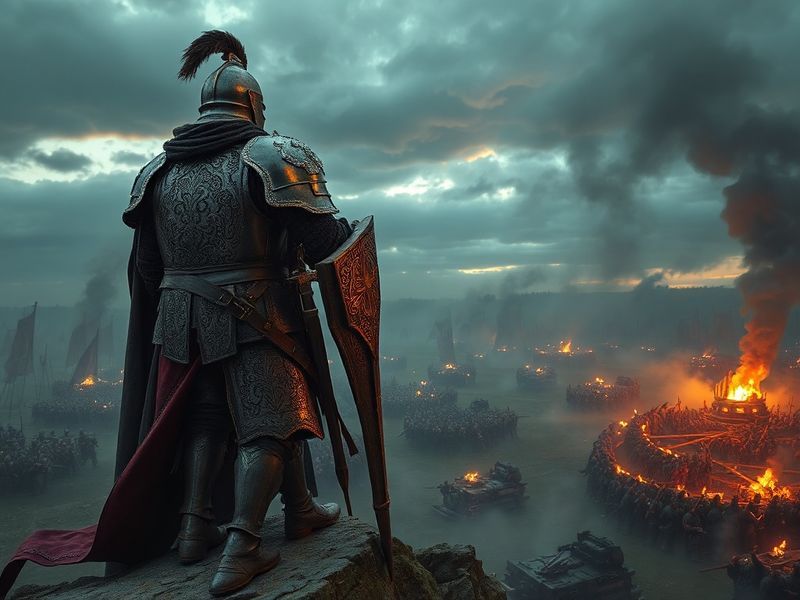
Warriors are often depicted as the embodiment of physical strength, bravery, and honor. They thrive in the heat of battle, relying on their combat skills and strategic prowess to overcome challenges. Here are some key traits typically associated with warriors:
- Physical Strength: Warriors are usually trained in various forms of combat, showcasing their physical prowess.
- Discipline: Rigorous training and adherence to a code of honor define a warrior’s path.
- Leadership: Warriors often assume leadership roles in battle, inspiring their comrades through valor.
- Resilience: The ability to withstand adversity and keep fighting is a hallmark of a true warrior.
These attributes make warriors relatable figures, representing the human spirit’s struggle against adversity. In many narratives, they serve as protectors of their communities, defending against external threats and embodying ideals of courage and loyalty.
The Mystique of Wizards
On the other hand, wizards are often portrayed as wise, enigmatic figures wielding arcane knowledge and magical abilities. Their power lies not in physical strength but in their mastery of the mystical arts. Some notable characteristics of wizards include:
- Intellect: Wizards are often depicted as highly intelligent, using their knowledge to manipulate the forces of nature.
- Magic: Their primary weapon is magic, allowing them to influence events and alter reality.
- Wisdom: Many wizards serve as advisors or mentors, guiding heroes on their journeys.
- Longevity: Wizards often possess extended lifespans, giving them a unique perspective on time and history.
This mystical element adds a layer of complexity to the wizard’s character. They often grapple with the ethical implications of their power, making them intriguing figures in storytelling.
The Clash of Ideologies
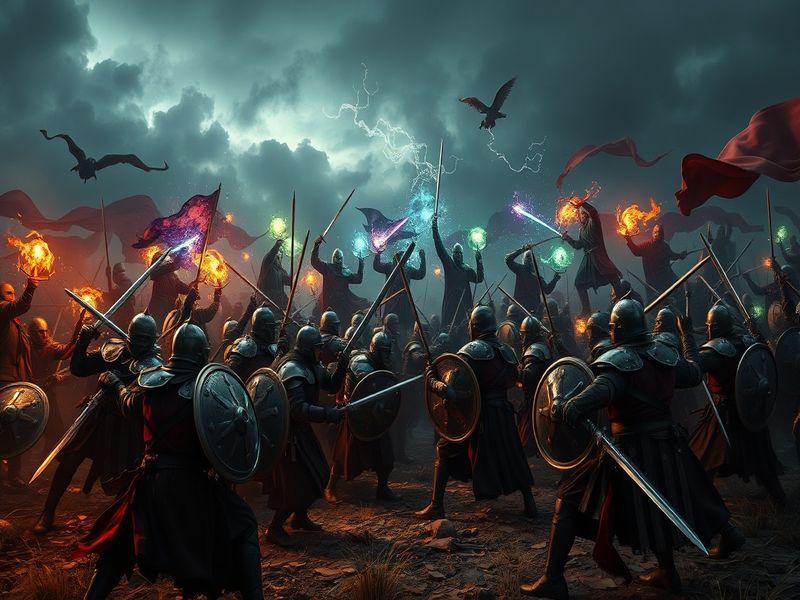
The rivalry between warriors and wizards often symbolizes a broader conflict between brute force and intellectual prowess. This clash raises profound questions about the nature of power and its use. In many stories, the warrior’s straightforward approach contrasts sharply with the wizard’s more nuanced strategies. This dichotomy can be explored through various lenses:
- Power Dynamics: The struggle between physical might and magical ability often mirrors real-world debates about strength versus intelligence.
- Conflict Resolution: Warriors typically engage in direct confrontation, while wizards might prefer cunning and strategy. This can lead to very different outcomes in conflict situations.
- Symbolism of Growth: The journey of a warrior often reflects personal growth through physical trials, while a wizard’s path may emphasize knowledge and understanding.
These contrasting approaches to conflict resolution can be observed in various narratives, from classic literature to contemporary video games. The resolution of their conflicts often leads to a synthesis of both ideologies, suggesting that balance is essential in overcoming challenges.
Broader Implications in Modern Storytelling
The ongoing fascination with the warriors versus wizards trope can be seen in various media, including films, books, and video games. This rivalry not only entertains but also prompts audiences to reflect on their values and beliefs. In many cases, the narratives evolve to show that collaboration between warriors and wizards can lead to greater outcomes than their individual efforts.
As society grapples with complex issues such as technology, ethics, and power dynamics, the warrior and wizard archetypes continue to serve as useful metaphors. They remind us that different strengths can complement each other, fostering teamwork and understanding. This synthesis of physical and intellectual prowess can be seen in popular franchises, such as “Dungeons & Dragons” and “The Lord of the Rings,” where characters from both backgrounds unite to confront greater evils.
In conclusion, the conflict between warriors and wizards encompasses more than mere fantasy. It serves as a lens through which we can examine the nature of power, conflict, and collaboration. As these archetypes continue to evolve in modern storytelling, they encourage audiences to reflect on their values and the importance of diverse strengths in overcoming challenges.
For more insights into the dynamics of character archetypes in storytelling, visit our Culture section or explore our Gaming category.