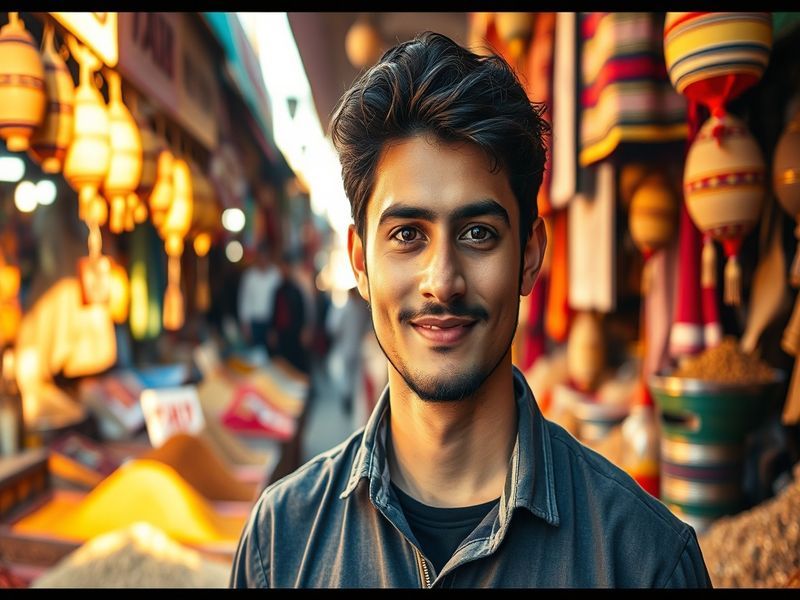
Allah Ghazanfar: How One Artist Merges Tradition with Digital Art
Allah Ghazanfar is not just a name in the art world—it is a statement. A Pakistani visual artist whose work bridges traditional Islamic art with modern digital techniques, Ghazanfar has quietly carved a niche that resonates with both cultural preservation and futuristic innovation. His pieces, often characterized by intricate geometric patterns and vivid color palettes, challenge conventional boundaries while honoring heritage.
Born in Lahore, Ghazanfar’s journey reflects the tension and harmony between tradition and modernity. His art is not merely decorative; it is a conversation. Through his use of digital tools like 3D rendering and augmented reality, he transforms static canvases into immersive experiences. This fusion of old and new has positioned him as a pivotal figure in the global art scene, drawing attention from collectors, critics, and institutions alike.
The Evolution of Ghazanfar’s Artistic Vision
Ghazanfar’s early works were rooted in classical Islamic calligraphy and miniature painting, disciplines he mastered under the mentorship of renowned artists in Lahore. However, his artistic evolution took a decisive turn when he began experimenting with digital media in the late 2010s. This period marked a shift from traditional techniques to a more experimental approach, where he integrated algorithms and digital brushes into his creative process.
One of his breakthrough series, Sacred Geometry Reimagined, showcased this transition. The collection reinterpreted traditional Islamic patterns using generative art techniques, where software algorithms dictated the placement of each line and shape. The result was a series of artworks that felt both ancient and futuristic—a visual paradox that captured the imagination of audiences worldwide.
Ghazanfar’s work is not just about aesthetics; it is about storytelling. Each piece often carries a narrative, whether it’s a commentary on cultural identity, the intersection of faith and technology, or the fluidity of artistic expression in a digital age. His ability to weave these themes into visually stunning compositions has earned him a place in galleries from Dubai to Berlin.
Key Contributions and Recognitions
Ghazanfar’s contributions to contemporary art extend beyond his individual practice. He has played an active role in fostering artistic communities, particularly in South Asia, where access to digital art resources remains limited. Through workshops and online tutorials, he has empowered a new generation of artists to explore digital tools while staying rooted in their cultural heritage.
His recognition in the art world has grown steadily. In 2022, he was shortlisted for the Dubai Art Prize, a prestigious award that celebrates emerging talent in the Middle East and South Asia. The following year, his work was featured in the Venice Biennale’s collateral events, a testament to his growing influence. These milestones are not just personal achievements but indicators of a broader shift in how contemporary art is perceived and consumed globally.
Below are some of the key aspects that define Ghazanfar’s artistic contributions:
- Cultural Synthesis: Ghazanfar’s ability to merge Islamic artistic traditions with modern digital techniques sets him apart. His work serves as a bridge between the past and the future.
- Technological Innovation: By incorporating AI, 3D rendering, and augmented reality, he pushes the boundaries of what traditional art can achieve in a digital space.
- Community Building: Through mentorship and workshops, Ghazanfar is nurturing a new wave of artists who are equally proficient in both digital and traditional media.
- Global Reach: His exhibitions in Europe and the Middle East highlight the universal appeal of his work, transcending cultural and geographical barriers.
The Broader Implications of Ghazanfar’s Work
Ghazanfar’s art is more than a personal expression—it is a cultural statement. In an era where digital art is often criticized for lacking depth or emotional resonance, his work proves that technology can be a tool for storytelling rather than a gimmick. His pieces invite viewers to reflect on their own cultural identities while embracing the possibilities of the digital age.
One of the most compelling aspects of Ghazanfar’s work is its ability to spark dialogue. His art challenges viewers to question the role of tradition in a rapidly changing world. For instance, his series Digital Calligraphy reimagines Quranic verses not as static text but as dynamic, evolving visuals. This approach not only makes the sacred accessible to a younger audience but also invites conversations about the preservation of religious art in modern contexts.
Moreover, Ghazanfar’s success underscores the growing importance of South Asian artists in the global art market. Historically, the art world has been dominated by Western perspectives, but figures like Ghazanfar are redefining the narrative. His work is a reminder that contemporary art is not a monolith—it is a tapestry of diverse voices, each contributing to the larger conversation.
Looking Ahead: The Future of Allah Ghazanfar
As Ghazanfar continues to evolve, his future projects promise to be even more ambitious. Rumors abound about a potential collaboration with a major tech company to create an augmented reality installation that reimagines the Alhambra Palace in Granada, Spain, using Islamic geometric patterns. Such a project would not only showcase his technical prowess but also highlight the universal language of geometric design.
For aspiring artists, Ghazanfar’s journey offers a roadmap for navigating the intersection of tradition and innovation. His story is a testament to the power of curiosity and the importance of staying true to one’s roots while embracing change. As the art world becomes increasingly digital, figures like Ghazanfar will play a crucial role in shaping its future.
For those interested in exploring more about contemporary art and digital innovation, visit Dave’s Locker: Entertainment for curated insights into the latest trends and artists.
To dive deeper into the intersection of technology and art, check out Dave’s Locker: Technology for articles on how digital tools are transforming creative fields.
Conclusion
Allah Ghazanfar is more than an artist—he is a cultural bridge. His work challenges us to rethink the boundaries of art, tradition, and technology. As he continues to push creative limits, his influence will undoubtedly grow, inspiring a new generation of artists to explore the endless possibilities at the intersection of heritage and innovation. In a world where art often feels divided between the old and the new, Ghazanfar’s vision offers a unifying thread, proving that the two can coexist harmoniously.