Understanding the Population of the USA
The population of the United States has long been a topic of interest for demographers, policymakers, and citizens alike. As of 2023, the estimated population stands at approximately 333 million people. This figure is not just a number; it represents diverse cultures, ethnicities, and experiences that shape the nation.
Population growth in the USA has been influenced by various factors, including immigration, birth rates, and mortality rates. Over the decades, these elements have contributed to the demographic makeup of the country, leading to shifts in political, social, and economic dynamics.
Historical Population Trends
To understand the current population, one must consider historical trends. The United States has experienced significant growth since its founding. Key milestones include:
- 1790: The first census recorded approximately 4 million residents.
- 1900: The population reached 76 million, driven by industrialization.
- 1950: Post-World War II, the population soared to 151 million.
- 2000: The census counted over 281 million residents.
- 2020: The population was recorded at 331 million, reflecting a steady increase.
These figures highlight not only the growth but also the changing dynamics of the population. Factors such as migration patterns, economic opportunities, and social changes have played substantial roles in this evolution.
Demographic Composition
The demographic composition of the USA is multifaceted. Ethnic diversity has increased significantly, with the 2020 census indicating that:
- White alone: 57.8%
- Hispanic or Latino: 18.9%
- Black or African American: 12.1%
- Asian: 6.1%
- Two or more races: 4.1%
This diversity impacts various aspects of American life, from politics and culture to education and employment. The growing Hispanic and Asian populations, for example, are reshaping consumer markets and influencing cultural trends.
Challenges and Opportunities
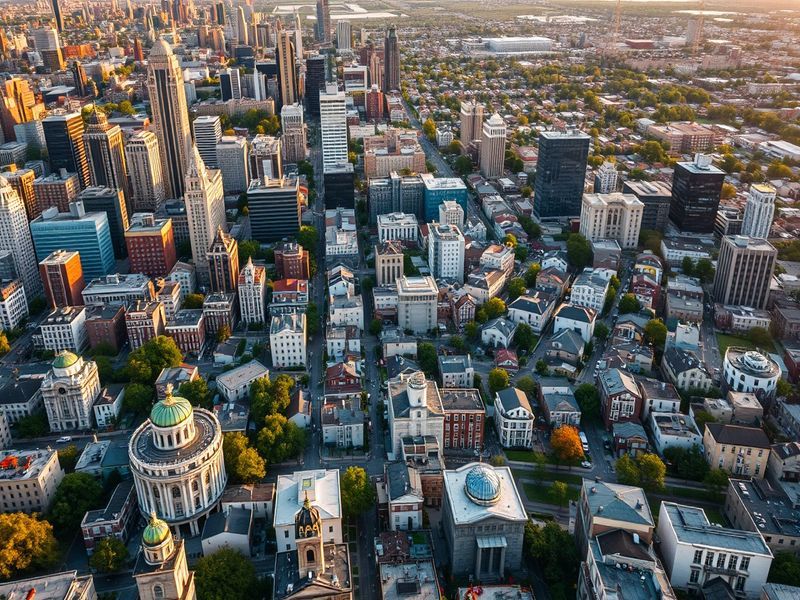
With a growing population come both challenges and opportunities. Urbanization, for instance, is a significant trend. More people are moving to metropolitan areas, which can lead to overcrowding and strain on infrastructure. However, it also fosters innovation and economic growth.
Additionally, the aging population poses challenges for healthcare and social services. As life expectancy increases, the demand for medical care and retirement resources grows. This situation presents opportunities for industries focused on healthcare technology and elder services.
Moreover, immigration continues to play a crucial role in population dynamics. While some advocate for stricter immigration policies, others argue that immigrants contribute significantly to the economy and cultural fabric of the nation. Balancing these perspectives is essential for future policy decisions.
Conclusion
The population of the USA is not just a statistic; it reflects the nation’s journey. From historical growth patterns to current demographic shifts, understanding these trends is vital for addressing the challenges and seizing the opportunities that lie ahead. As the country evolves, so too will its population, shaping the future of American society.
For further insights on demographic trends and their implications, visit our News and Analysis sections.