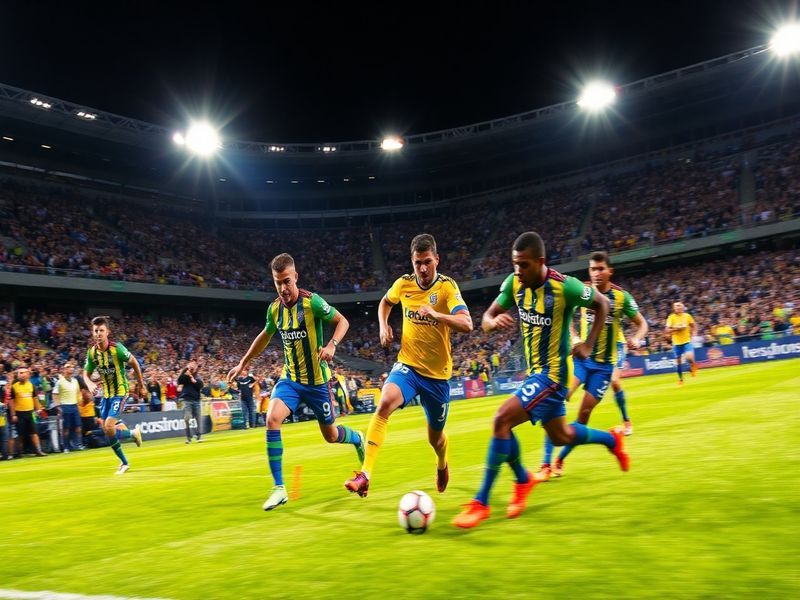
The 2026 FIFA World Cup marks a historic moment as the tournament expands to 48 teams, co-hosted by three nations for the first time. Scheduled to take place across the United States, Canada, and Mexico from June 11 to July 19, 2026, this event promises unparalleled global coverage. With matches spanning multiple time zones and platforms, fans around the world are already planning how to watch every kickoff without missing a moment.
Unlike previous tournaments, the 2026 edition will feature a revamped broadcast strategy, blending traditional TV networks with cutting-edge streaming services. This evolution reflects both the growing demand for accessibility and the rapid changes in how audiences consume live sports. Understanding where and how to watch is essential for fans eager to follow their favorite teams or discover new stars on the world stage.
Official Broadcast Rights: Who Holds the Keys in Your Region
Broadcast rights for the 2026 World Cup have been licensed to major networks and streaming platforms across key markets. In the United States, Fox Sports and Telemundo will share coverage, with Fox handling English-language broadcasts and Telemundo offering Spanish-language commentary. This partnership ensures broad accessibility for America’s diverse audience, a trend increasingly mirrored in other countries.
In Canada, TSN and RDS have secured exclusive rights, providing comprehensive coverage in both English and French. Meanwhile, the United Kingdom’s BBC and ITV will share broadcasting duties, continuing their tradition of free-to-air access. For Australian fans, Optus Sport and SBS will deliver matches, with Optus focusing on live streaming and SBS offering highlights packages.
Below is a regional breakdown of confirmed broadcast partners:
- United States: Fox Sports (English), Telemundo (Spanish)
- Canada: TSN, RDS
- United Kingdom: BBC, ITV
- Australia: Optus Sport, SBS
- Latin America: Various regional networks under FIFA’s agreement with media giants like Claro Sports and DirecTV
- Europe (excluding UK): National broadcasters such as ARD/ZDF (Germany), TF1 (France), and RAI (Italy)
- Middle East & North Africa: beIN Sports
- Sub-Saharan Africa: SuperSport
- East Asia: CCTV (China), NHK (Japan), and various local broadcasters
For fans outside these regions, FIFA’s Sports category on Dave’s Locker offers curated updates on local broadcast options as they’re announced.
Streaming Options: The Rise of Digital-First Viewing
The 2026 World Cup will embrace digital-first viewing, with streaming platforms playing a pivotal role. In the U.S., fans can subscribe to Peacock Premium, NBC’s streaming service, which will carry select matches alongside Telemundo’s Spanish-language streams. This marks a shift from past tournaments, where streaming was often an afterthought for casual viewers.
In Canada, TSN’s Discovery+ platform will offer live streams for subscribers, complementing its TV broadcasts. Australian audiences can tune into Optus Sport’s standalone app, which provides multi-device streaming and on-demand replays. Meanwhile, European fans will find options through platforms like DAZN and national broadcasters’ proprietary apps, such as BBC iPlayer and ITVX.
For cord-cutters, the rise of streaming-only options is a game-changer. Services like FuboTV and Sling TV in the U.S. will include World Cup channels in their packages, allowing users to bundle live sports with other entertainment. This flexibility is particularly appealing to younger audiences who prioritize on-demand access over traditional cable subscriptions.
It’s worth noting that some streaming services may require a VPN to access geo-restricted content. While this practice is legal in many jurisdictions, users should familiarize themselves with local regulations to avoid potential issues.
The Fan Experience: Beyond the Screen
Watching the World Cup is about more than just the broadcast. The 2026 tournament offers unique opportunities for fans to engage with the event in person or through immersive digital experiences. The co-hosting model means matches will be held in iconic venues like MetLife Stadium (New Jersey), SoFi Stadium (Los Angeles), and Estadio Azteca (Mexico City), each offering a distinct atmosphere.
For those unable to attend, FIFA’s official app and website will provide interactive features such as real-time stats, augmented reality replays, and fan polls. These tools enhance the viewing experience by blending passive watching with active participation. Social media platforms will also play a key role, with dedicated hashtags and live-tweeting events creating a sense of global community.
Another innovation for 2026 is the introduction of FIFA+, a free streaming service that will broadcast select matches, highlights, and behind-the-scenes content. While it won’t carry all games, FIFA+ is designed to make the tournament more accessible to fans in regions without traditional broadcast coverage. This aligns with FIFA’s goal of growing the sport’s global reach.
For fans looking to dive deeper into the tournament’s history and storylines, Dave’s Locker’s Analysis section features previews, player profiles, and tactical breakdowns to enrich your viewing experience.
Planning Ahead: Tips for a Seamless Viewing Experience
With the World Cup spanning 16 days and 104 matches, planning is essential to avoid missing key moments. Start by identifying which matches feature your favorite teams or potential dark horses. For example, the expanded format means debutants like Puerto Rico or Tahiti could provide unexpected drama. Set your schedule around time zones—matches in North American venues will be broadcast at varying times to accommodate global audiences.
Test your streaming setup in advance. Ensure your internet connection is stable, especially for 4K or HDR broadcasts, which will be available on select platforms. Download matches or highlights if your service offers offline viewing, a feature particularly useful for fans with unreliable connectivity.
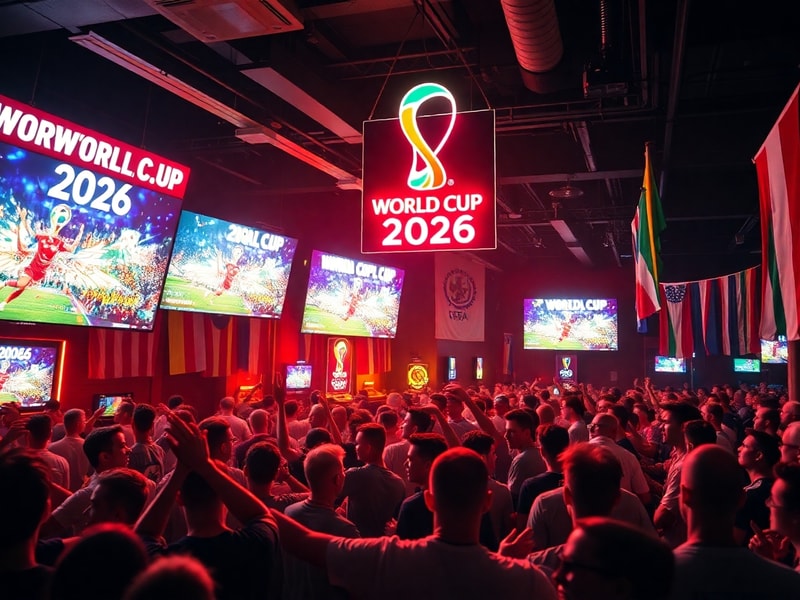
Consider organizing watch parties with friends or local fan clubs. Many bars and restaurants will carry the broadcasts, but hosting at home allows for customization—whether through themed snacks, interactive games, or post-match debates. For those hosting, check venue guidelines for large-screen TVs or projector setups to create an authentic stadium vibe.
Finally, stay updated on last-minute changes. Broadcast schedules can shift due to weather, venue delays, or unforeseen circumstances. Follow official FIFA channels and your local broadcaster’s social media for real-time updates. With so much at stake, preparation ensures you won’t miss a single goal, save, or celebration.
Conclusion: The World Cup Comes to You
The 2026 FIFA World Cup represents a new era for the tournament, one where accessibility and innovation take center stage. Whether you’re tuning in via traditional TV, streaming platforms, or digital-first services, the goal remains the same: to share in the passion and excitement of the world’s most-watched sporting event. By understanding your broadcast options and planning ahead, you can fully immerse yourself in the drama, culture, and camaraderie that define the World Cup.
As the countdown to kickoff begins, one thing is clear: this tournament will be unlike any before it. From the expanded field to the co-hosting model, every aspect has been designed to bring fans closer to the action. So mark your calendars, gather your friends, and get ready to witness history unfold—wherever you are in the world.