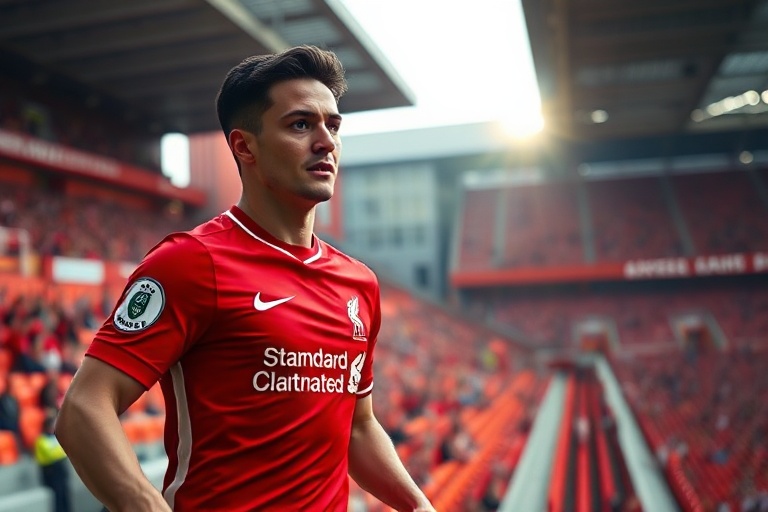
Liverpool FC’s Kit Evolution: From Tradition to Global Icon
The Liverpool Football Club kit is more than just a uniform—it’s a symbol of identity, passion, and history. Worn by legends like Steven Gerrard and Mohamed Salah, the kit transcends sport, becoming a cultural artifact recognized worldwide. Its design evolution reflects the club’s journey, from humble beginnings to global stardom. Beyond the pitch, the kit influences fashion, fan culture, and even geopolitical narratives.
This article explores how Liverpool’s kit has shaped—and been shaped by—football’s broader evolution. From its classic red shirts to modern collaborations, the kit’s story is one of tradition, innovation, and global appeal.
The Origins: A Kit Born from Necessity and Pride
Liverpool FC was founded in 1892 after a dispute with Everton over rent at Anfield. The club’s first official kit, adopted in 1892, featured blue and white stripes—a nod to Everton’s colors. However, by 1896, Liverpool had switched to red shirts and white shorts, a decision that would define the club’s visual identity.
The shift to red wasn’t just aesthetic. Red is associated with energy, passion, and power, qualities Liverpool FC sought to embody. The change also aligned with the club’s growing ambitions, as it quickly rose through England’s football leagues. By the 1960s, under manager Bill Shankly, Liverpool’s red kit became synonymous with success, coinciding with the club’s first league titles.
The classic Liverpool kit—red shirt, white shorts, and red socks—remains instantly recognizable. Even today, players like Virgil van Dijk and Trent Alexander-Arnold don variations of this timeless design, proving that some traditions never fade.
Design Innovations: When Tradition Meets Modernity
While Liverpool’s core colors have stayed consistent, the kit’s design has evolved with technology and fashion. In the 1970s and 80s, kits became lighter and more breathable, thanks to advances in fabric. The 1980s saw the introduction of the iconic Liverpool FC crest, a shield featuring the Shankly Gates and the Liver Bird—a symbol that would become a global emblem.
In the 21st century, Liverpool’s kits began incorporating bold patterns and collaborations. The 2019-20 season’s home kit, designed by Nike, featured a subtle tonal pattern inspired by the city of Liverpool’s maritime heritage. Meanwhile, the 2021-22 third kit, created with New Balance, paid homage to the city’s music scene with a checkerboard pattern reminiscent of The Beatles’ famous album cover.
These innovations aren’t just about aesthetics. Modern kits prioritize performance, with moisture-wicking fabrics and ergonomic fits. Yet, they also serve as a canvas for storytelling, connecting the club to its roots and its global fanbase.
The Global Influence: More Than Just a Football Kit
Liverpool’s kit has transcended football, becoming a cultural export. In cities from Tokyo to New York, fans wear the red shirt as a badge of pride. The kit’s popularity has led to collaborations with high-end fashion brands, such as the 2022 partnership with Italian luxury label Loro Piana, which produced a limited-edition capsule collection blending football and high fashion.
This global appeal is also reflected in the kit’s role in geopolitical narratives. During Liverpool’s 2019 Champions League triumph, the kit was worn by fans across the Middle East, Africa, and Asia, symbolizing unity and aspiration. In some regions, Liverpool’s success—embodied by the kit—has become a metaphor for overcoming adversity.
Even in music and art, the kit’s influence is undeniable. British grime artist Stormzy has referenced Liverpool’s kit in his lyrics, while contemporary artists like Yinka Shonibare have used it as a motif in their work, exploring themes of colonialism and identity.
Fan Culture and the Kit’s Role in Identity
For Liverpool fans, the kit is a second skin. The tradition of wearing it to matches, even in freezing temperatures, is a ritual passed down through generations. The kit is also a tool for expression—fans customize it with names, numbers, and patches, turning it into a personal statement.
This fan culture extends beyond matchdays. Online communities, such as those on Dave’s Locker, debate kit designs, share styling tips, and celebrate the kit’s history. For many, owning a Liverpool kit is a rite of passage, a way to connect with the club’s legacy.
Even in adversity, the kit remains a symbol of resilience. During the COVID-19 pandemic, Liverpool’s 2020-21 home kit featured a tribute to the NHS, with the club’s crest and the words “You’ll Never Walk Alone” embroidered inside. The kit became a reminder of solidarity during difficult times.
What’s Next for Liverpool’s Kit?
As Liverpool FC continues to evolve, so too will its kit. Future designs may incorporate sustainable materials, reflecting the club’s commitment to environmental responsibility. Collaborations with artists and designers could push the boundaries of football fashion, blending performance with artistry.
Yet, the core elements—the red shirts, the Liver Bird, the Shankly Gates—will likely remain. They are the threads that connect Liverpool FC’s past, present, and future. For fans old and new, the kit will always be more than fabric and thread. It’s a legacy worn proudly, match after match.
The Liverpool FC kit is a story of tradition, innovation, and global influence. From its origins in 1892 to its modern-day collaborations, it has become a symbol of pride, resilience, and identity. Whether on the pitch or in the streets, the red shirt unites fans across continents, proving that football is more than a game—it’s a cultural force.