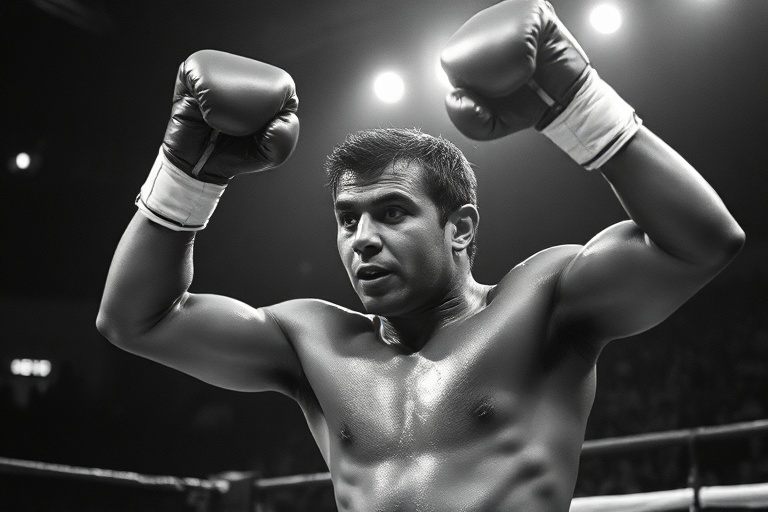
Julio César Chávez: The Legendary Career of Mexico’s Boxing Icon
Julio César Chávez is widely regarded as one of the greatest boxers in history, a fighter whose name became synonymous with Mexican pride and technical mastery inside the ring. Born on July 12, 1962, in Ciudad Obregón, Sonora, Mexico, Chávez turned professional at the age of 16 and quickly rose through the ranks with a relentless work ethic and an unparalleled ability to absorb punishment while dishing out damage. His career spanned over three decades, during which he captured world titles in three weight classes and left an indelible mark on the sport.
Chávez’s rise to prominence began in the early 1980s, a period when Mexican fighters were beginning to dominate the global boxing scene. His amateur career was impressive, including a gold medal at the 1980 Pan American Games, but it was his transition to the professional ranks that solidified his legend. With a record of 107-0 before suffering his first loss, Chávez demonstrated a level of dominance rarely seen in the sport. His ability to adapt to different opponents and weight classes made him a versatile and feared competitor.
The Making of a Champion: Early Career and Rise to Prominence
Chávez’s early career was marked by a series of dominant performances that caught the attention of boxing fans and promoters alike. By 1984, he had already captured his first world title, the WBC Super Featherweight Championship, with a victory over Mario Martínez. This win was just the beginning of a historic title reign that would see him defend the belt 11 times before moving up in weight.
His style was a blend of technical precision and relentless pressure. Chávez was known for his exceptional body punching, footwork, and the ability to cut off the ring. These attributes allowed him to control fights from the outside while also stepping into the pocket to trade with opponents. His rivalry with Edwin Rosario in 1987 is often cited as a turning point in his career, as he knocked out the Puerto Rican star in the eleventh round to claim the WBA Lightweight Championship. This victory cemented his status as a global superstar and drew comparisons to other all-time greats.
Defining Fights and Rivalries That Shaped a Legacy
Chávez’s career is defined by a series of high-profile fights that showcased his skill, resilience, and longevity. One of his most iconic battles came in 1993 against Pernell Whitaker, a fight that ended in a controversial split decision in Chávez’s favor. The decision was hotly debated, with many believing Whitaker had outboxed Chávez over the 12 rounds. Despite the controversy, the fight is remembered as a classic and further cemented Chávez’s reputation as a fighter who could compete with the best of any era.
Another defining moment came in 1996 when Chávez faced Oscar De La Hoya in a highly anticipated superfight. De La Hoya, the younger and more marketable fighter, was seen as the future of boxing, while Chávez represented the gritty, old-school style of Mexican boxing. The fight ended in a fourth-round technical knockout for De La Hoya, marking the first time in 13 years that Chávez had been stopped. The loss was a symbolic passing of the torch, but it did little to diminish Chávez’s legacy.
Chávez’s rivalry with Héctor Camacho also left a lasting impact on the sport. Their 1992 bout was a clash of styles, with Camacho’s slick boxing and movement contrasted against Chávez’s pressure and body punching. Chávez won by unanimous decision, further solidifying his claim as one of the best fighters of his generation.
The Later Years: Defying Time and Leaving a Lasting Impact
As Chávez entered the later stages of his career, he continued to fight at a high level, defying the expectations of many who believed he would slow down. In 2000, he captured the WBC Light Middleweight Championship at the age of 38, becoming one of the oldest fighters to win a major world title. His ability to adapt and remain competitive against younger opponents was a testament to his skill and dedication.
Chávez’s final fight took place in 2005 at the age of 43, a testament to his longevity and love for the sport. Though he retired with a record of 107 wins (86 by knockout), 6 losses, and 2 draws, his influence extended far beyond his in-ring accomplishments. He became a cultural icon in Mexico and a source of inspiration for countless fighters who followed in his footsteps.
The Chávez Legacy: Influence on Mexican Boxing and Beyond
Julio César Chávez’s impact on boxing cannot be overstated. He inspired a generation of Mexican fighters, including his son Julio César Chávez Jr., who also pursued a professional boxing career. His name became synonymous with Mexican pride, and his fights were must-watch events for fans around the world. Chávez’s ability to transcend the sport and become a symbol of national pride is a testament to his enduring legacy.
Beyond his in-ring achievements, Chávez was known for his humility and generosity. He often spoke about the importance of giving back to his community and remained a beloved figure in Mexico long after his retirement. His life story, from humble beginnings to global stardom, serves as an inspiration to aspiring athletes and individuals alike.
For those interested in exploring more about the history of boxing and its greatest figures, Dave’s Locker’s Sports section offers a wealth of articles and insights. Additionally, fans of legendary athletes may enjoy reading about other iconic figures in Dave’s Locker’s Entertainment category.
Julio César Chávez’s career is a reminder of what can be achieved through hard work, dedication, and an unwavering belief in oneself. His legacy continues to inspire, and his name remains etched in the annals of boxing history as one of the true greats.