Inside UFC Post-Fight Press Conferences: Drama, Strategy, and Raw Emotion
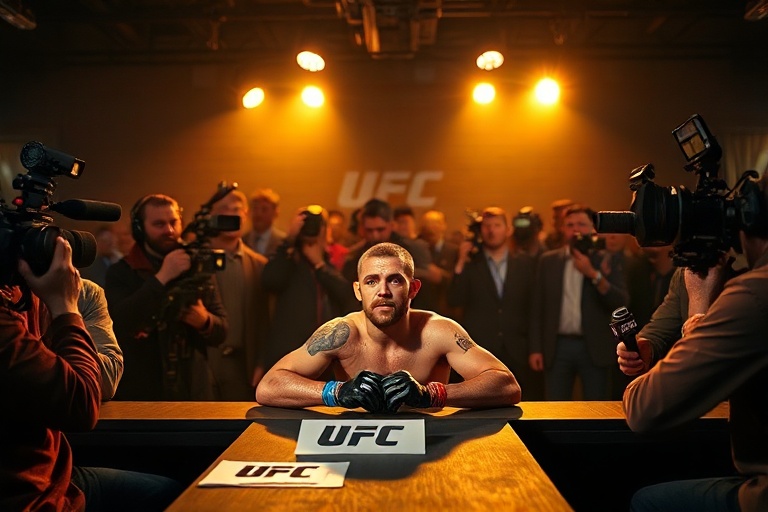
The lights in the media room are blinding. A sea of microphones stretches across the table, each one branded with a different network logo. In the center, a fighter sits slumped in a chair, still wearing the remnants of battle—sweat-soaked gloves, a split eyebrow, and the thousand-yard stare of someone who has just emptied the tank. This is the UFC post-fight press conference, a ritual as much a part of the sport as the walkout or the referee’s stoppage.
It’s not just about answering questions. It’s about managing image, deflecting criticism, and sometimes, revealing more than intended. The moments that follow a fight are raw, unfiltered, and often unpredictable. For the fighters, these pressers can be therapeutic or traumatic. For the media, they’re a goldmine of soundbites and storylines. And for fans, they offer the closest thing to being in the locker room.
The Purpose: Control, Spin, and Storytelling
The UFC doesn’t hold post-fight press conferences out of obligation. They’re a calculated move, designed to shape the narrative in the hours and days after a fight. The organization knows that the story isn’t over when the final bell rings. It’s just entering a new phase—one where perception can shift, reputations can be made or broken, and rivalries can be stoked or extinguished.
For champions, the press conference is a chance to reinforce dominance. Take Jon Jones after his victory over Ciryl Gane at UFC Paris in 2022. The mic was handed to him first, and he didn’t waste it. With a smirk, he declared, “I’m the pound-for-pound king, and I don’t care who knows it.” It wasn’t just a statement—it was a message to the rest of the division. The UFC leaned into it, ensuring the clip circulated widely on social media and sports networks.
For challengers, the press conference can be a platform to announce arrival. Think of Islam Makhachev after submitting Charles Oliveira at UFC 280. His quiet confidence masked a carefully crafted persona—one that positioned him as the heir to Khabib Nurmagomedov’s legacy. The UFC didn’t just let him speak; they amplified his words, ensuring the narrative of succession took root.
The Fighter’s Perspective: Pressure and Protection
Standing in front of a room full of reporters isn’t easy, especially when the adrenaline from the fight is still coursing through your veins. Fighters are often exhausted, emotionally drained, or nursing injuries. Yet, they’re expected to articulate their performance, analyze their opponent’s strategy, and sometimes, defend controversial decisions.
Many fighters rely on their teams to help them navigate these sessions. Coaches and PR handlers prepare bullet points, anticipate tough questions, and step in when answers start to spiral. For example, after Israel Adesanya’s split decision loss to Sean Strickland at UFC 293, his team worked overtime to frame the defeat as a learning experience rather than a setback. The messaging was consistent: “We’ll come back stronger.”
But not every fighter has a PR team to fall back on. Smaller promotions or debutants often find themselves outmatched by the media’s probing questions. This is where the UFC’s official handling of post-fight pressers becomes crucial. The organization typically pairs fighters with a handler who ensures the session stays on track, whether that means redirecting questions or providing a quick exit when necessary.
The Media’s Role: Crafting Narratives in Real Time
Reporters at UFC post-fight press conferences aren’t just passive observers. They’re active participants in shaping the story. Their questions can uncover cracks in a fighter’s confidence, expose tensions within camps, or highlight inconsistencies in performance.
Some of the most memorable moments in UFC history have come from these sessions. Take the infamous exchange between Conor McGregor and Paul Felder at UFC 223’s weigh-ins in 2018. Felder, a lightweight contender at the time, was asked about McGregor’s move up to 170 pounds. His response—“He’s a bigger man than me”—sparked a media frenzy that lasted for weeks. The UFC didn’t censor it; they let it spread, knowing it would fuel the fire of McGregor’s next fight.
The media’s role extends beyond individual fights. Post-fight pressers often set the tone for future matchups. When Michael Chandler defeated Tony Ferguson at UFC 274 in 2022, his mic work—“I’m coming for the title, baby”—became the headline of the night. It wasn’t just about Chandler’s performance; it was about the UFC’s next big storyline.
The Unwritten Rules of Engagement
Not all questions are created equal. Some are expected, others are probing, and a few are outright confrontational. Fighters and their teams know these unwritten rules well:
- Praise for opponents: Even after a loss, fighters are expected to acknowledge their opponent’s skills. It’s rare to hear a fighter outright trash-talk in a post-fight presser, though exceptions exist—see Sean O’Malley’s playful jab at Marlon Vera after their UFC 292 rematch.
- Deflection of blame: If a fight ends in controversy, fighters often pivot to praising their own performance rather than attacking the judges. This keeps the focus on their own narrative.
- Respect for the sport: Fighters are careful not to undermine the UFC’s authority. Criticizing the organization or its decisions can lead to swift backlash, both from the promotion and the fanbase.
- Humor and humility: Fighters who can laugh at themselves or show humility often endear themselves to the media. Henry Cejudo’s self-deprecating jokes after his UFC 235 win over TJ Dillashaw were widely praised.
The Fan Experience: Access in a Controlled Environment
For fans, UFC post-fight press conferences are the closest they’ll get to the locker room. They provide a glimpse into the personalities behind the performances—the swagger of a winner, the frustration of a loser, the raw emotion of someone who just accomplished something extraordinary.
The UFC has capitalized on this access, streaming press conferences live on platforms like YouTube and social media. It’s a strategy that builds engagement and keeps the hype alive between events. Fans can watch fighters stumble through answers, see coaches’ body language shift from supportive to exasperated, and even catch behind-the-scenes moments when a fighter’s facade cracks.
But it’s not all transparency. The UFC carefully curates who gets to ask questions, often favoring mainstream outlets or reporters with established relationships. Independent journalists or niche bloggers might find themselves sidelined, which can lead to frustration. After UFC 290 in 2023, some fans took to social media to criticize the UFC’s selection process, arguing that it limited diverse perspectives.
The Future of Post-Fight Pressers
As the UFC continues to grow, so does the scrutiny around its post-fight press conferences. The organization is experimenting with formats, including one-on-one interviews in the cage and remote sessions for injured fighters. These changes reflect a broader trend in sports media—toward more controlled, branded content.
Yet, the core appeal remains the same. Post-fight pressers are where the human side of the UFC is on full display. They’re where legends are built, reputations are tested, and stories are born. Whether it’s a tearful confession from a retiring champion or a fiery mic exchange that sparks a new rivalry, these moments are a reminder that the UFC is as much about drama as it is about fighting.
For fans who crave that drama, there’s no substitute. And for the fighters, no matter how polished their answers may be, the post-fight press conference will always be one more round in the fight game.
To dive deeper into the world of UFC analysis and behind-the-scenes stories, visit our News and Analysis sections for more exclusive coverage.