White House Card UFC: When Politics Meets the Octagon
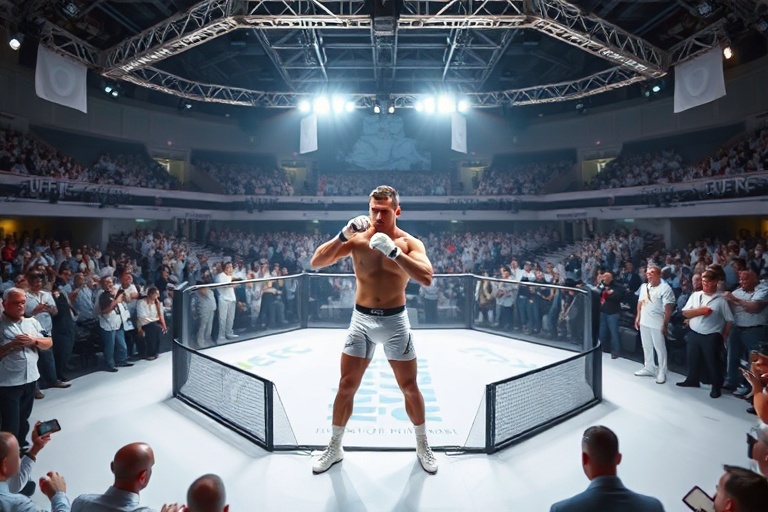
The intersection of politics and mixed martial arts rarely makes headlines, but when it does, the conversation takes on a life of its own. The term “White House Card UFC” has emerged as shorthand for moments where the octagon and the corridors of power in Washington, D.C., overlap. Whether through fighter activism, policy debates, or symbolic gestures, the UFC has found itself entangled in broader cultural and political narratives that extend far beyond the cage.
This phenomenon isn’t just about fighters expressing opinions—it reflects how combat sports, as a global spectacle, amplify voices that might otherwise go unheard. From pay equity discussions to foreign policy statements delivered in post-fight interviews, the UFC’s platform has become an unlikely stage for political discourse. Understanding this dynamic requires examining both the sport’s internal culture and its external perceptions.
The Origins of Political Engagement in UFC
The UFC’s relationship with politics predates the modern era of social media and viral moments. Back in the early 2000s, as the organization fought for legitimacy and mainstream acceptance, political figures occasionally weighed in—often critically. Senators like John McCain famously referred to the UFC as “human cockfighting” in the 1990s, a stance that reflected broader skepticism toward the sport’s brutality.
Fast forward to today, and the tone has shifted dramatically. Fighters now leverage their visibility to advocate for causes ranging from racial justice to veterans’ rights. Jon Jones, for example, has been vocal about social issues, while Colby Covington’s pro-Trump rhetoric during his welterweight title reign turned him into a polarizing figure both inside and outside the cage. These moments underscore how the UFC has evolved from a fringe spectacle to a platform with real cultural influence.
- Early skepticism: Political opposition to the UFC in its formative years centered on concerns about violence and morality.
- Modern engagement: Fighters now use their platforms to address social and political issues, often sparking debate.
- Platform evolution: The UFC’s global reach amplifies political messages that might otherwise remain niche.
How Fighters Become Political Figures
Not every UFC fighter enters the political arena willingly, but the sport’s structure and media ecosystem make it difficult to avoid. Fighters are often thrust into the spotlight not just for their athletic prowess but for their personalities and personal brands. When those personalities intersect with controversial topics, the result can be explosive.
Take Jorge Masvidal, whose “Gamebred” persona and outspoken views on topics like immigration and policing have made him a lightning rod. His post-fight celebration after knocking out Nate Diaz in 2019—where he invoked the phrase “free the Jews”—sparked immediate backlash and media scrutiny. The incident highlighted how quickly a fighter’s words can escalate into a national conversation.
Similarly, Sean O’Malley’s rapid rise to stardom has been accompanied by his embrace of conservative rhetoric and critiques of progressive policies. While some fans celebrate his authenticity, others see it as a calculated move to stand out in a crowded field. Either way, O’Malley’s trajectory demonstrates how politics and personality are increasingly inseparable in the UFC.
The Role of Social Media in Amplifying Messages
Social media has democratized the ability of fighters to share their views, bypassing traditional gatekeepers like journalists and promoters. A single tweet or Instagram post can reach millions in seconds, turning a fighter’s political stance into a trending topic. This immediacy has both empowered athletes and exposed them to greater scrutiny.
UFC President Dana White has occasionally weighed in on political issues, further blurring the lines between the organization’s business interests and public statements. His support for certain political figures and policies has sometimes aligned with the views of his fighters, creating a unified front that resonates with specific fan bases.
The UFC’s Influence on Political Discourse
The UFC’s role in political discourse isn’t limited to individual fighters or executives. The organization itself has become a player in broader cultural conversations, often wading into debates about free speech, corporate responsibility, and the role of athletes in activism.
For instance, when the UFC faced criticism for holding events in countries with poor human rights records, it sparked discussions about the ethics of global expansion. Fighters and fans alike questioned whether the promotion should prioritize profits over principles. These debates mirror similar conversations in other major sports leagues, but the UFC’s decentralized structure and lack of traditional team affiliations make its ethical calculus uniquely complex.
Additionally, the UFC’s partnership with Trending platforms and media outlets ensures that its political engagements receive outsized attention. Whether through viral clips or in-depth analysis, the organization’s actions are dissected in real time, reinforcing its status as a cultural touchstone.
What’s Next for White House Card UFC?
As the UFC continues to grow, so too will its entanglement with politics. The 2024 U.S. presidential election, for example, has already seen fighters and executives weigh in, with some aligning themselves with specific candidates or causes. This trend shows no signs of slowing, particularly as younger, more politically engaged athletes enter the sport.
For promoters and fighters, navigating this landscape will require a delicate balance. On one hand, political engagement can strengthen fan loyalty and attract sponsorships. On the other, it risks alienating segments of the audience and inviting backlash. The UFC’s ability to manage these tensions will shape not only its reputation but also the broader perception of combat sports as a legitimate platform for activism.
One thing is certain: the days of the UFC operating in a political vacuum are over. Whether through fighter activism, corporate stances, or global controversies, the organization will continue to intersect with the corridors of power in Washington and beyond.
A Look Ahead at Key Battlegrounds
Several areas are poised to become focal points for the White House Card UFC narrative in the coming years:
- Fighter pay and labor rights: Calls for greater transparency and equity in compensation could intersect with broader labor movements.
- International events and diplomacy: Hosting events in politically sensitive regions will force the UFC to confront ethical dilemmas.
- Endorsements and sponsorships: Partnerships with brands tied to specific political ideologies may become more contentious.
- Regulatory battles: State athletic commissions’ stances on issues like transgender inclusion or performance-enhancing drugs could ignite national debates.
The interplay between politics and the UFC is still in its early innings, but its trajectory is clear. As the sport matures, so too will its role in shaping—and being shaped by—the political landscape. For fans, fighters, and observers alike, the White House Card UFC era is just beginning.
The conversation around the UFC’s political engagements is far from over. Whether you’re a casual fan or a die-hard analyst, staying informed means recognizing that the octagon is no longer just a battleground for athletes—it’s a stage for the world’s most pressing issues.