tenerife
Tenerife is often reduced to images of golden beaches and all-inclusive resorts, but this Spanish island offers far more than seasonal tourism. Nestled in the Atlantic Ocean, it is the largest of the Canary Islands and a microcosm of global culture, geography, and history. From its volcanic landscapes to its cosmopolitan cities and traditional villages, Tenerife thrives as a year-round destination for travelers, digital nomads, and cultural explorers alike.
The island’s strategic location, just 300 kilometers off the coast of northwest Africa, places it at a crossroads between Europe, Africa, and the Americas. This position has shaped its identity over centuries, leaving behind layers of history that blend indigenous Guanche heritage with Spanish colonial influence and modern global connectivity. Today, Tenerife is a living laboratory of cultural exchange, environmental resilience, and sustainable tourism innovation.
The Landscape: A Volcanic Stage for Adventure and Serenity
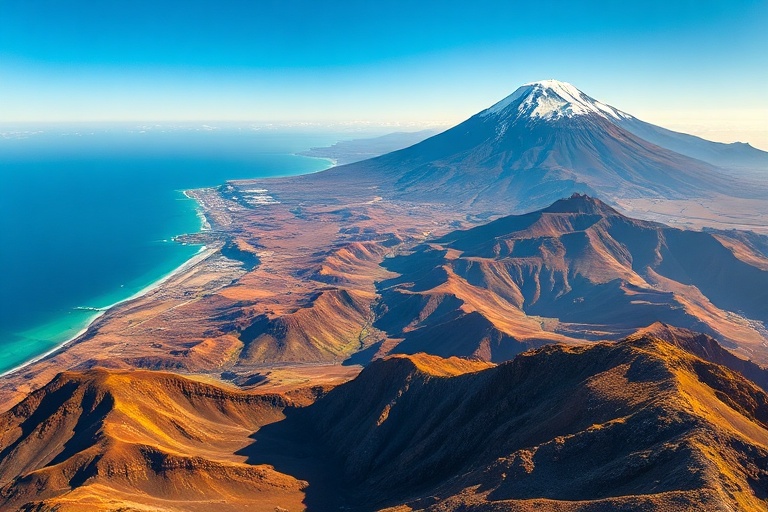
At the heart of Tenerife’s identity lies its dramatic geography. The island was forged by volcanic activity millions of years ago, with Mount Teide—Spain’s highest peak and a UNESCO World Heritage Site—dominating the skyline. Standing at 3,715 meters, Teide is not just a mountain; it’s a geological marvel that continues to shape the island’s climate and ecosystems.
The contrast between Teide’s lunar-like summit and the lush laurel forests of Anaga Rural Park highlights the island’s ecological diversity. Anaga, a UNESCO Biosphere Reserve, is one of the oldest natural areas in the world, hosting endemic species found nowhere else. Meanwhile, the south of the island, with its arid plains and black sand beaches, offers a starkly different environment, shaped by centuries of volcanic eruptions.
For outdoor enthusiasts, Tenerife is a playground. Hiking trails like the Maspalomas Dunes trek or the ascent to Teide via cable car attract adventurers from around the world. The island’s varied terrain also supports world-class cycling routes, with professional teams often using Tenerife as a training base during the winter months. Whether scaling a volcano or strolling through a palm grove, visitors quickly realize that Tenerife’s beauty is as deep as it is wide.
Cultural Fusion: Where Tradition Meets Global Influence
Tenerife’s cultural identity is a rich tapestry woven from indigenous, European, and African threads. The island’s original inhabitants, the Guanche people, left behind a legacy visible in place names, cave dwellings, and archaeological sites like the Cueva de los Guanches in Icod de los Vinos. Their language, now extinct, survives in subtle linguistic traces and local folklore.
Spanish colonization in the 15th century reshaped the island’s social and architectural landscape. Cities like La Laguna, a UNESCO World Heritage Site, showcase colonial-era churches, plazas, and universities that reflect the island’s historical role as a maritime hub. The port of Santa Cruz de Tenerife, once a vital stop on transatlantic trade routes, remains a bustling center of commerce and culture.
In the 20th century, Tenerife became a magnet for international migration, particularly from Latin America and Europe. This influx has created a multicultural society where festivals like Carnival of Santa Cruz—a vibrant celebration with roots in both Spanish and Caribbean traditions—draw global attention. The island’s culinary scene mirrors this diversity, with restaurants serving everything from traditional papas arrugadas (wrinkled potatoes) with mojo sauce to innovative fusion cuisine that blends Canarian flavors with Asian and African influences.
Key Cultural Influences in Tenerife
- Guanche Heritage: Indigenous roots visible in place names, archaeological sites, and folklore.
- Spanish Colonial Legacy: UNESCO-listed cities like La Laguna and Santa Cruz reflect 15th-century architecture.
- Transatlantic Migration: Latin American and European influences shape cuisine, music, and festivals.
- Modern Global Connectivity: Digital nomads and expats contribute to a thriving international community.
Economy and Innovation: Beyond Tourism
While tourism accounts for a significant portion of Tenerife’s economy—welcoming over five million visitors annually—it is not the island’s only industry. Agriculture remains a vital sector, particularly in the cultivation of bananas, tomatoes, and wine grapes. The island’s volcanic soil and microclimates produce unique varieties, such as the Listán Negro grape used in local wines.
In recent years, Tenerife has positioned itself as a hub for renewable energy and innovation. The island’s abundant sunlight and wind resources make it an ideal location for solar and wind farms. Projects like the Gorona del Viento plant on El Hierro, a neighboring island, have demonstrated the feasibility of 100% renewable energy systems, inspiring similar initiatives in Tenerife.
Digital nomads and remote workers are also flocking to Tenerife, drawn by its affordable cost of living, reliable internet infrastructure, and high quality of life. Co-working spaces in cities like Puerto de la Cruz and Santa Cruz are thriving, and the local government has introduced digital nomad visas to attract international talent. This shift reflects a broader trend in which islands like Tenerife are redefining themselves as destinations for both leisure and productivity.
A Global Perspective: Tenerife in the 21st Century
From an environmental standpoint, Tenerife faces challenges common to island ecosystems: water scarcity, coastal erosion, and the impacts of climate change. Rising temperatures and prolonged droughts threaten agricultural yields and strain water resources. However, the island has responded with ambitious sustainability initiatives, including desalination plants, reforestation projects, and strict regulations on coastal development.
Culturally, Tenerife is embracing its role as a bridge between continents. The annual Tenerife International Film Festival attracts filmmakers from Africa, Latin America, and Europe, while music festivals like Canary Islands Music Festival showcase genres ranging from classical to electronic. The island’s universities and research centers are also fostering collaborations with institutions across the Atlantic, particularly in fields like marine biology and renewable energy.
For travelers, Tenerife offers an opportunity to explore a destination that is both deeply rooted in tradition and dynamically evolving. It is a place where you can hike through ancient forests in the morning, enjoy a sunset over the ocean at dusk, and attend a world-class concert by night. This blend of natural beauty, cultural richness, and modern innovation makes Tenerife a model for sustainable, inclusive tourism.
As the world becomes increasingly interconnected, destinations like Tenerife remind us that travel is not just about consumption—it’s about connection. Whether you’re drawn by adventure, culture, or the simple desire to experience a place that feels both familiar and exotic, Tenerife delivers.
Why Tenerife Stands Out
- Year-Round Appeal: Mild climate and diverse landscapes make it a destination in any season.
- Cultural Depth: A fusion of indigenous, European, and global influences creates a unique identity.
- Innovation and Sustainability: From renewable energy to digital nomad visas, the island is embracing the future.
- Accessibility: Direct flights from Europe, Africa, and the Americas make it easy to reach.
Dave’s Locker – Exploring the world one story at a time.