Tristan da Cunha: Life on Earth’s Most Remote Island
Tucked in the South Atlantic Ocean, nearly 1,750 miles from the nearest landmass, lies Tristan da Cunha. Often called the most remote inhabited archipelago on Earth, this British Overseas Territory remains one of the most isolated communities in the world. With a population of just over 250 people, the island’s rugged beauty and extreme isolation create a fascinating case study in human resilience, environmental conservation, and geopolitical significance.
The Geography and History of Tristan da Cunha
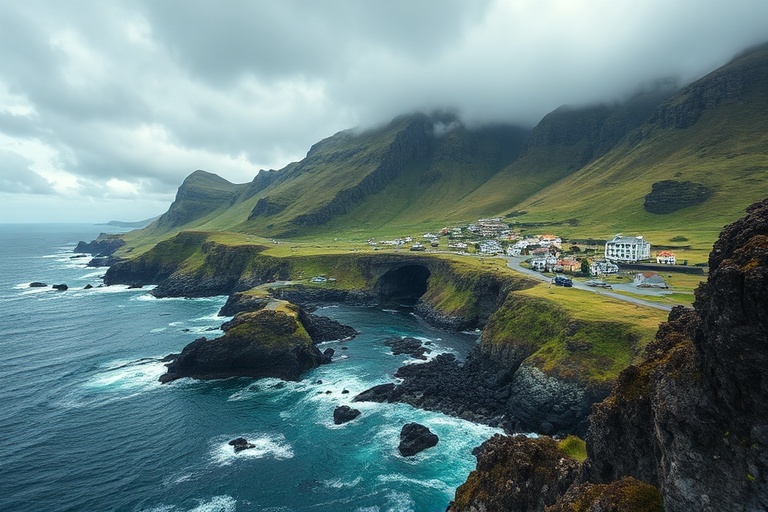
Tristan da Cunha consists of four main islands: Tristan, Inaccessible, Nightingale, and Gough. The largest and only inhabited island, Tristan, rises dramatically from the ocean as a volcanic peak. The archipelago sits on the Mid-Atlantic Ridge, a tectonic boundary that has shaped its dramatic landscapes. Despite its small size—just 38 square miles—the islands boast unique biodiversity, including several endemic species found nowhere else on Earth.
The island’s history is as dramatic as its terrain. Discovered in 1506 by Portuguese explorer Tristão da Cunha, it remained uninhabited until the early 19th century. In 1816, the British annexed Tristan da Cunha to prevent the French from using it as a base to rescue Napoleon from exile on Saint Helena. Over time, a small community of settlers, sailors, and traders established a permanent presence. Today, the island’s residents are descendants of these early inhabitants, maintaining a way of life that blends tradition with modern challenges.
Key Facts About Tristan da Cunha
- Population: Approximately 254 people (as of recent estimates)
- Distance from nearest land: 1,750 miles from Saint Helena, the nearest inhabited island
- Government: British Overseas Territory with a local administrator and council
- Economy: Driven by fishing (especially Tristan rock lobster), craft sales, and limited tourism
- Infrastructure: One small airport (with no runway—only a landing strip for supply ships), no airport, and limited medical facilities
- Biodiversity: Home to millions of seabirds, including the Tristan albatross and Atlantic petrel
Life on the Most Isolated Island in the World
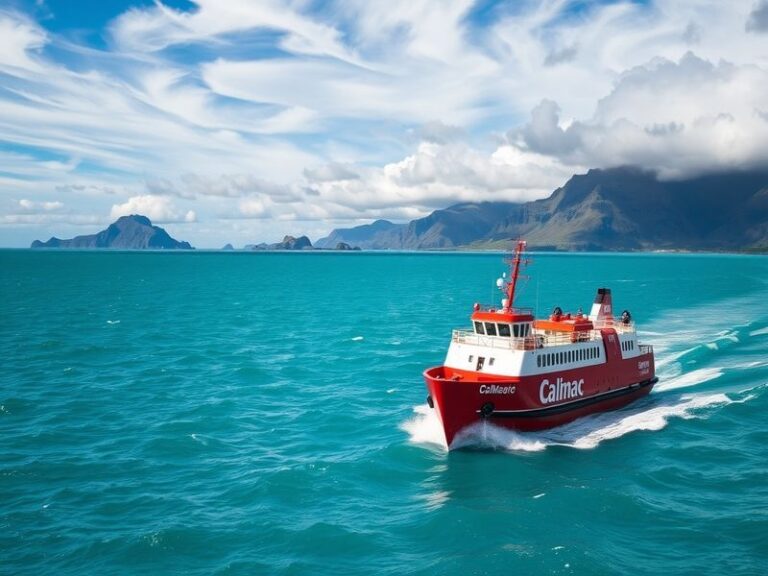
Living on Tristan da Cunha is not for the faint of heart. The island has no airport, and access is limited to a six-day voyage from Cape Town by supply ship—the only regular connection to the outside world. Residents rely on this ship for food, fuel, and medical supplies, as well as for the occasional visitor. Internet access is slow and expensive, with bandwidth so limited that streaming services are practically nonexistent.
The community is tightly knit, with most families tracing their roots back generations. There are no crime or police forces, and disputes are resolved through communal discussion. Education and healthcare are provided by the government, with teachers and doctors often rotating in and out due to the island’s isolation. Despite these challenges, Tristan da Cunha has a 99% literacy rate and one of the highest life expectancies in the world.
The island’s economy revolves around fishing, particularly the Tristan rock lobster, which is exported to the United States and Europe. The Tristan da Cunha Government and Fisheries Corporation manages these resources carefully to sustain both the local economy and the fragile ecosystem. Tourism is minimal but growing, with a handful of intrepid travelers making the journey each year to experience its untouched landscapes and unique culture.
The Environmental and Geopolitical Significance
Tristan da Cunha is more than just a remote outpost—it is a critical player in global environmental conservation. The islands are part of the United Kingdom’s Overseas Territories, and their isolation has preserved ecosystems found nowhere else. Gough Island, in particular, is a UNESCO World Heritage Site and one of the most important seabird colonies in the world. It hosts nearly 10 million birds, including the endangered Tristan albatross.
The archipelago also falls within the exclusive economic zone (EEZ) of the UK, which has designated it as a Marine Protected Area. This status helps regulate fishing and shipping traffic to prevent environmental degradation. The Tristan da Cunha Government works closely with international organizations like the Royal Society for the Protection of Birds (RSPB) to monitor and protect its biodiversity.
Geopolitically, Tristan da Cunha serves as a strategic outpost in the South Atlantic. Its location halfway between South America and Africa makes it a potential point of interest for maritime surveillance and scientific research. While it has no military presence, its remoteness makes it a valuable asset for monitoring illegal fishing and shipping activities in the region.
Challenges and Future Prospects
- Climate Change: Rising sea levels and increased storm activity threaten the low-lying islands, particularly Inaccessible Island.
- Economic Sustainability: The fishing industry is the backbone of the economy, but overfishing and global market fluctuations pose risks.
- Accessibility: Limited transportation options make it difficult to attract skilled workers or provide emergency medical care.
- Cultural Preservation: As younger generations move away for education or work, there is a risk of losing traditional knowledge and customs.
Despite these challenges, Tristan da Cunha remains a symbol of human adaptability and environmental stewardship. Efforts to promote sustainable tourism and expand digital connectivity could provide new opportunities for the community. Organizations like the Tristan da Cunha Association and the UK government continue to invest in infrastructure and conservation projects to ensure the island’s future.
Why Tristan da Cunha Matters Beyond Its Isolation
Tristan da Cunha offers a rare glimpse into what life looks like at the edge of the world. Its story is one of resilience, adaptability, and the delicate balance between human needs and environmental preservation. In an era where globalization often erases local cultures, Tristan da Cunha stands as a reminder of the value of isolation and tradition.
The island also serves as a case study in how small communities can thrive despite extreme challenges. Its success in managing its marine resources sustainably provides lessons for other remote regions facing similar pressures. Additionally, Tristan da Cunha’s role in global conservation highlights the importance of protecting even the most inaccessible places on Earth.
For those who dream of escaping the noise of the modern world, Tristan da Cunha offers a compelling alternative. It is a place where time moves slowly, where community is everything, and where nature reigns supreme. Yet, it is also a place that faces real threats—from climate change to economic instability. Supporting sustainable tourism and conservation efforts here can help ensure that this unique corner of the world endures for generations to come.
For more on remote communities and their unique challenges, explore our Travel and Culture sections on Dave’s Locker. Whether you’re planning an adventure or simply fascinated by the edges of the world, these stories offer a deeper look into the places that define the limits of human experience.