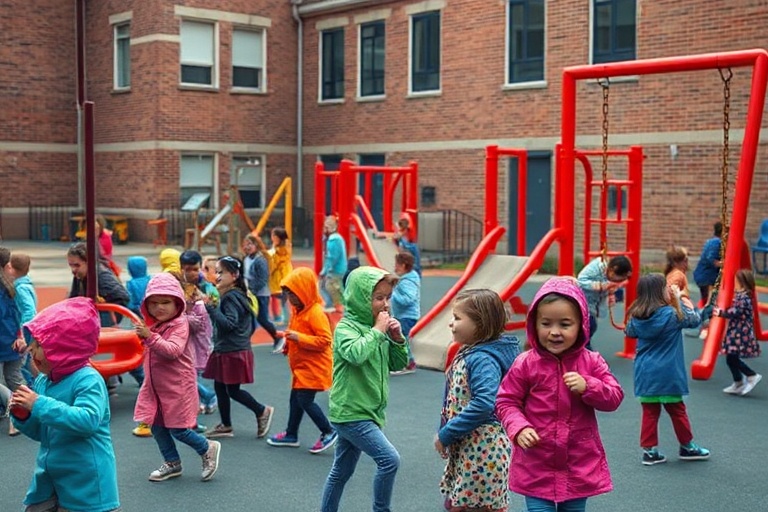
How American Schools Shape Society Beyond Academics
“`html
Schools in America: More Than Just Classrooms
Schools in the United States have long served as the foundation of education, social development, and community building. Yet their role extends far beyond traditional academic instruction. These institutions shape young minds, foster critical thinking, and prepare students for an evolving world. Understanding their broader impact requires examining their historical roots, current challenges, and future possibilities.
The Historical Evolution of American Schools
The structure of American education has transformed dramatically since the nation’s founding. Early schools in the 17th and 18th centuries were often one-room affairs, serving small communities with limited resources. Religious organizations and local governments played pivotal roles in establishing these institutions, which primarily focused on basic literacy and moral instruction.
The 19th century brought significant changes with the rise of the common school movement. Advocates like Horace Mann championed public education as a means to unify a diverse population and reduce social inequality. By the early 20th century, compulsory education laws spread across states, ensuring that children received formal instruction rather than laboring in factories or fields. This shift laid the groundwork for the modern school system we recognize today.
Post-World War II education saw further expansion with the GI Bill and the National Defense Education Act, which prioritized scientific and technical training during the Cold War. Subsequent decades introduced desegregation efforts, standardized testing, and debates over curriculum content—each leaving indelible marks on how schools function. These historical milestones reveal that schools are not static entities but adaptive institutions responding to societal needs.
Modern Challenges Facing Schools
Today’s schools operate within a complex landscape marked by funding disparities, technological disruption, and shifting educational priorities. One of the most pressing issues is the uneven distribution of resources. Wealthier districts often boast modern facilities, advanced technology, and lower student-to-teacher ratios, while underfunded schools struggle with outdated materials and overcrowded classrooms. This inequity perpetuates cycles of poverty and limits opportunities for disadvantaged students.
Technology presents another layer of complexity. While digital tools can enhance learning through personalized instruction and global connectivity, they also introduce challenges. Cybersecurity risks, screen-time concerns, and the digital divide—where some students lack reliable internet access—create obstacles for both educators and learners. Schools must balance innovation with equity to ensure technology serves as a bridge rather than a barrier.
Social and emotional learning has emerged as a critical focus in recent years. Educators increasingly recognize that academic success depends on students’ well-being, mental health, and sense of belonging. Programs addressing bullying, trauma, and inclusivity aim to create safer environments, but implementation varies widely. These challenges underscore the need for systemic reform that addresses structural flaws while adapting to contemporary demands.
The Role of Schools in Society
Schools function as microcosms of society, reflecting and reinforcing cultural values, economic structures, and political ideologies. They serve multiple purposes beyond academics: socialization, childcare, civic engagement, and even community hubs during crises. For many families, schools provide stability, meals, and health services, particularly in underserved areas where public resources are scarce.
Extracurricular activities—from sports to debate clubs—offer students opportunities to develop leadership skills, teamwork, and creativity. These programs often bridge gaps between classroom learning and real-world application. Meanwhile, schools act as laboratories for democracy, where students learn about governance through student councils, mock elections, and civic education.
However, schools also face criticism for perpetuating systemic biases. Disparities in discipline rates, curriculum representation, and access to advanced courses highlight the need for inclusive practices. Educators and policymakers are increasingly prioritizing culturally responsive teaching, which acknowledges diverse backgrounds and challenges traditional narratives. This approach aims to create environments where all students feel valued and empowered to succeed.
The Future of Education: Trends and Innovations
The future of schooling will likely be shaped by innovation, policy shifts, and societal changes. One trend gaining momentum is competency-based education, which focuses on mastery of skills rather than seat time. This model allows students to progress at their own pace, catering to diverse learning styles and paces. Early adopters, such as some charter schools and districts, report improved engagement and outcomes.
Another development is the rise of hybrid learning models. The COVID-19 pandemic accelerated the adoption of remote and blended instruction, proving that education can adapt to unforeseen circumstances. While in-person learning remains irreplaceable for social development, hybrid approaches offer flexibility and personalized pathways. Schools are now experimenting with schedules that blend traditional and digital formats.
Policy changes at the federal and state levels will also influence the trajectory of education. Debates over school vouchers, charter schools, and standardized testing continue to dominate discussions. Advocates argue for greater parental choice and innovation, while critics warn of privatization and inequitable access. The outcome of these debates will determine whether schools become engines of opportunity or perpetuate existing divides.
The role of teachers is evolving as well. With the growing emphasis on social-emotional learning and individualized instruction, educators are increasingly seen as facilitators rather than mere content transmitters. Professional development programs and collaborative teaching models aim to equip teachers with tools to navigate these new responsibilities. Yet, teacher shortages and burnout remain critical issues, threatening the stability of the profession.
Conclusion: Schools as Catalysts for Change
Schools are far more than buildings filled with desks and textbooks; they are dynamic institutions that shape the trajectory of individuals and communities. Their challenges—funding inequities, technological integration, and social responsibilities—demand thoughtful solutions. The future of education hinges on collective efforts to prioritize equity, innovation, and holistic development.
As society continues to evolve, schools must adapt to meet the needs of a diverse and interconnected world. The decisions made today will determine whether education remains a ladder for upward mobility or a barrier for those already marginalized. By reimagining the purpose and structure of schools, we can create systems that empower every student to thrive.
For those interested in exploring related topics, visit Dave’s Locker Education for insights on policy, trends, and community initiatives. Additionally, Dave’s Locker News covers the latest developments in education and beyond.