Strait of Hormuz Oil Tankers: Why This Chokepoint Controls Global Energy
Strategic Crucible of Global Energy
The Strait of Hormuz, a narrow waterway between Oman and Iran, serves as the world’s most critical chokepoint for oil transit. Roughly one-third of all seaborne traded oil passes through this 21-mile-wide passage daily. Its significance transcends regional boundaries, influencing energy markets, geopolitical stability, and international diplomacy. The strait connects the Persian Gulf with the Gulf of Oman and, ultimately, the Arabian Sea. Without it, the global flow of crude would face severe bottlenecks, disrupting economies from Tokyo to New York.
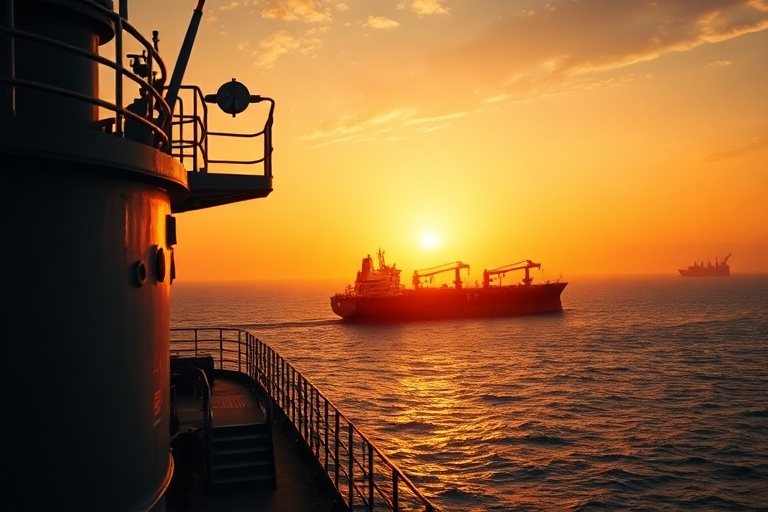
Oil tankers navigating these waters are not merely vessels—they are symbols of global interdependence. The strait’s shallow depth and heavy traffic create constant risk. A single incident—whether environmental, mechanical, or geopolitical—can send shockwaves across financial markets within hours. For instance, even rumors of a closure can cause Brent crude prices to spike by over 10% in a single trading session. This sensitivity underscores the strait’s role as a pressure valve for the world’s energy system.
The Historical Weight of the Strait
The Strait of Hormuz has shaped regional power dynamics for centuries. In the 19th century, British naval dominance ensured safe passage for oil tankers en route to Europe and India. During the Iran-Iraq War in the 1980s, both sides targeted tankers in the strait, turning it into a battleground that disrupted global oil supplies. More recently, tensions flared in 2019 when Iran seized the British-flagged tanker Stena Impero, escalating maritime security concerns.
Culturally, the strait embodies both vulnerability and resilience. Local communities in Oman and the UAE have long relied on the strait’s economic lifeline. Fishermen, port workers, and maritime traders share the waters with supertankers, creating a layered social fabric where tradition meets modernity. The strait’s history is not just one of conflict but also of adaptation—communities have thrived amid geopolitical turbulence by leveraging strategic partnerships and technological innovation.
Geopolitical Flashpoints and Modern Threats
The Strait of Hormuz remains a geopolitical flashpoint, particularly due to Iran’s nuclear program, regional proxy conflicts, and U.S.-Iran relations. Iran has repeatedly threatened to close the strait in response to sanctions or military pressure, though such a move would likely provoke international retaliation. The 2021 drone attack on the Mercer Street tanker, allegedly by Iran-backed Houthi rebels, demonstrated how non-state actors can disrupt critical energy routes.
Key threats to tanker safety in the strait include:
- State-sponsored aggression: Iran’s Revolutionary Guard has seized multiple tankers in recent years, using them as leverage in diplomatic standoffs.
- Piracy and smuggling: While less frequent than in the Gulf of Aden, opportunistic attacks still occur, particularly near uninhabited islands.
- Environmental risks: A major spill could devastate marine ecosystems and coastal economies, from the UAE’s Fujairah to Oman’s Musandam Peninsula.
- Cyber threats: Tankers and port systems are increasingly vulnerable to digital attacks, which could paralyze navigation or cargo operations.
International coalitions, such as the U.S.-led International Maritime Security Construct (IMSC), have deployed naval patrols to deter aggression. However, these efforts are complicated by competing interests among global powers. China, for example, has invested heavily in Iranian oil infrastructure but also seeks to protect its own tanker fleet, creating a delicate balancing act.
Technological and Operational Adaptations
To mitigate risks, the maritime industry has adopted advanced technologies. Tankers now use satellite tracking, AI-driven route optimization, and autonomous surveillance drones to navigate the strait’s crowded waters. The United Arab Emirates’ Fujairah anchorage, a key waiting area for tankers, employs blockchain-based documentation to streamline customs and reduce delays.
Onboard safety measures have also evolved. Modern tankers feature double hulls to prevent spills, enhanced firefighting systems, and real-time monitoring of hull integrity. Crew training now includes cybersecurity drills, reflecting the strait’s growing digital vulnerabilities. Despite these advancements, human factors remain critical—experienced pilots, many from Oman’s Musandam Marine service, guide tankers through the strait’s narrow lanes, reducing collision risks.
Economic Ripples Across Continents
The Strait of Hormuz’s stability is a cornerstone of global energy security. When disruptions occur, the economic impact is immediate and widespread. Japan, which imports nearly 90% of its oil via the strait, has diversified its supply chains by increasing purchases from Russia and the U.S. Similarly, India has expanded its strategic petroleum reserves to buffer against potential closures.
Oil-importing nations are not the only ones affected. Refineries in Europe and Asia rely on timely deliveries from the Persian Gulf. A prolonged closure could trigger fuel shortages, rationing, and price volatility reminiscent of the 1973 oil crisis. Even the threat of disruption can lead to speculative buying, driving up futures prices and straining household budgets worldwide.
Investors in energy markets closely monitor the strait’s geopolitical pulse. Hedge funds and commodity traders use satellite imagery and shipping data to predict tanker movements, while insurance premiums for voyages through the strait have risen by up to 30% in high-risk periods. These financial mechanisms, though costly, act as early warning systems for broader economic instability.
Navigating an Uncertain Future
The Strait of Hormuz remains a paradox: a vital artery for global prosperity, yet perpetually at risk of becoming a point of contention. Diplomatic efforts, such as the 2022 nuclear deal talks, have offered temporary reprieves, but structural tensions persist. The rise of alternative energy sources, including renewables and liquefied natural gas (LNG), may reduce reliance on Persian Gulf oil over time. However, for the foreseeable future, the strait’s role as the world’s energy lifeline will endure.
For coastal communities, the strait is both a blessing and a burden. Port cities like Dubai and Muscat thrive on maritime trade, yet they must contend with environmental degradation and geopolitical tensions. Local economies are diversifying—Dubai’s shift toward tourism and finance, for example—but the strait’s shadow looms large. The challenge for policymakers is to balance economic growth with security, ensuring that the global economy’s jugular vein remains open.
As climate change intensifies, the strait’s ecosystem faces additional strain. Warmer waters and increased shipping traffic could exacerbate coral bleaching and disrupt fish populations, threatening the livelihoods of traditional fishermen. Environmental NGOs are advocating for stricter regulations on tanker emissions and spill prevention, but enforcement remains inconsistent.
Ultimately, the Strait of Hormuz is more than a geographic feature—it is a microcosm of global interdependence. Its challenges reflect broader struggles: balancing energy needs with environmental stewardship, navigating geopolitical rivalries while fostering economic stability, and adapting to technological change without leaving communities behind. The world’s ability to manage these tensions will determine whether the strait remains a symbol of cooperation or becomes a flashpoint for conflict.