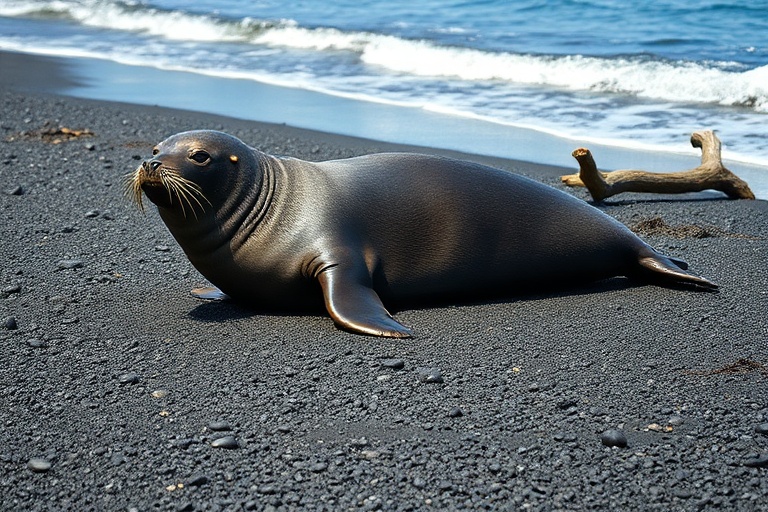
Hawaiian Monk Seals: Endangered Species Facing Extinction
The Hawaiian monk seal remains one of the most elusive and critically endangered marine mammals in the world. With fewer than 1,500 individuals remaining, this species faces existential threats from habitat loss, human interference, and climate change. Unlike their more gregarious relatives, Hawaiian monk seals prefer solitude, spending most of their lives in remote atolls and beaches across the Northwestern Hawaiian Islands. Their survival hinges on a delicate balance of natural resilience and human intervention.
Their name originates from early European explorers who mistook their solitary nature for monk-like devotion. Today, scientists recognize them as Neomonachus schauinslandi, a distinct species found nowhere else on Earth. Their isolation has both protected them and made them vulnerable—protected from some predators but highly susceptible to human impacts.
The Plight of an Ancient Species
Hawaiian monk seals are living relics, having survived for millions of years. Fossil records suggest their ancestors arrived in Hawaii over 10 million years ago, evolving in isolation long before humans set foot on the islands. Their slow reproductive rate compounds their vulnerability: females typically give birth to a single pup every 2-3 years, and pups face high mortality rates from natural predators like sharks.
Human activity has become the dominant threat. Entanglement in fishing gear, disturbance from beachgoers, and habitat degradation from coastal development have pushed populations to the brink. The Northwestern Hawaiian Islands, where most monk seals live, are remote but not untouched by human influence. Military exercises, fishing operations, and even tourism have encroached on their fragile ecosystems.
Climate change exacerbates these challenges. Rising sea levels threaten low-lying atolls where seals haul out to rest and breed. Warmer ocean temperatures alter prey availability, forcing seals to travel farther for food. These cumulative pressures have led to a decline of nearly 80% in the monk seal population since the mid-20th century.
Key Threats to Survival
- Entanglement: Abandoned fishing nets and debris trap seals, leading to injury or death by drowning.
- Human Disturbance: Beachgoers and drones often disrupt nursing mothers and pups, causing abandonment.
- Declining Prey: Overfishing reduces food sources, forcing seals to compete with commercial fisheries.
- Climate Change: Rising seas and shifting ocean currents threaten nesting habitats and food chains.
- Predation: Sharks and, increasingly, invasive species like feral dogs pose risks to pups.
Conservation Efforts: A Race Against Extinction
Efforts to save the Hawaiian monk seal are among the most complex in marine conservation. The National Oceanic and Atmospheric Administration (NOAA) leads recovery programs, including pup translocation to safer beaches and temporary captivity for injured seals. These interventions have shown promise: in 2023, NOAA reported a slight increase in pup survival rates for the first time in decades.
Community involvement plays a crucial role. Organizations like Conservation on Dave’s Locker provide platforms for public awareness and volunteer opportunities. Local Hawaiian communities also contribute through traditional knowledge and stewardship, blending scientific and cultural approaches to conservation.
Yet challenges remain. Funding for recovery programs is inconsistent, and political priorities often shift with administrations. The U.S. Fish and Wildlife Service has designated critical habitat protections, but enforcement is difficult in remote areas. Innovative solutions, such as biodegradable fishing nets and AI-driven monitoring, are being explored but require broader support.
What’s Next for Hawaiian Monk Seals?
The future of Hawaiian monk seals depends on a combination of immediate action and long-term planning. Without sustained intervention, experts warn that the species could vanish within decades. The Biden administration has committed to strengthening protections under the Endangered Species Act, but critics argue these measures are not enough.
Public engagement is critical. Tourists visiting Hawaii can support conservation by respecting seal habitats, avoiding disturbance, and reporting sightings to authorities. Supporting organizations that fund research and rescue operations can also make a difference. Every individual action contributes to a larger movement toward sustainability.
For those interested in learning more about marine conservation efforts, Dave’s Locker offers in-depth coverage of related topics, including Environment updates. These resources provide actionable insights for readers who want to contribute to the preservation of endangered species.
Broader Implications: A Warning for Ocean Ecosystems
The decline of Hawaiian monk seals is not an isolated crisis. It reflects broader trends in ocean health, where apex predators are disappearing due to human activity. Monk seals serve as indicator species—their struggles signal imbalances in marine ecosystems that affect fish populations, coral reefs, and even coastal communities.
Their recovery could set a precedent for marine conservation worldwide. Success would demonstrate that targeted interventions, community involvement, and adaptive policies can reverse the fortunes of critically endangered species. Failure, however, could foreshadow the collapse of entire oceanic food webs.
As climate change accelerates and human populations expand, the lessons from Hawaii’s monk seals may become increasingly relevant. Their story is a reminder that even the most remote and resilient species are not immune to humanity’s footprint.
Conclusion: Hope for a Vanishing Species
The Hawaiian monk seal’s fight for survival is a testament to nature’s fragility and resilience. While the odds are steep, there is reason for cautious optimism. Recovery programs are slowly turning the tide, and public awareness is growing. The path forward requires collaboration between scientists, policymakers, and communities.
For now, the monk seal remains a symbol of both Hawaii’s natural heritage and the urgent need for conservation. Their survival depends on choices made today—choices that will echo through the Pacific for generations to come. By acting now, we can ensure that future generations inherit a world where these ancient mariners still swim beneath Hawaiian skies.