Exploring the Iconic Suzuka Circuit: History and Features
Introduction to Suzuka Circuit
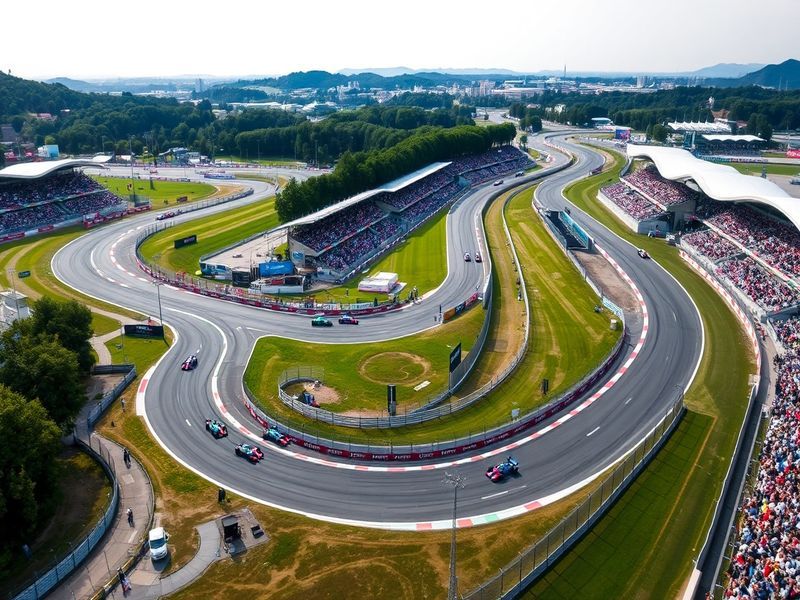
The Suzuka Circuit, located in Japan, is one of the most iconic racing tracks in the world. Renowned for its unique figure-eight layout, it challenges drivers with a combination of high-speed straights and technical corners. Opened in 1962, Suzuka has become a staple in the motorsport calendar, hosting events like the Formula One Japanese Grand Prix and the Suzuka 8 Hours endurance race.
Historical Significance
The history of Suzuka Circuit is rich and varied. Originally built as a test track for Honda, it quickly evolved into a competitive venue. Over the decades, it has witnessed numerous memorable moments in motorsport history.
Some key events include:
- The first Formula One Japanese Grand Prix in 1987.
- The dramatic 2005 race where Kimi Räikkönen secured a victory after starting from 17th position.
- The 2014 race marked by Lewis Hamilton’s remarkable performance, clinching his second world title.
Each of these events has contributed to the circuit’s reputation as a challenging and unpredictable venue, often leading to thrilling races and unexpected outcomes.
Track Features and Layout
The Suzuka Circuit spans approximately 5.8 kilometers and features 18 turns, each presenting unique challenges for drivers. The layout includes a mix of slow and fast corners that test both driver skill and vehicle performance. Notable sections of the track include:
- Degner Curve: A challenging double apex corner that requires precision and timing.
- Spoon Curve: A long, sweeping turn that tests the car’s balance and aerodynamics.
- 130R: A high-speed corner that demands confidence and skill to navigate at full throttle.
This combination of features makes Suzuka a favorite among drivers and fans alike, as it allows for overtaking opportunities and strategic racing. The unique figure-eight layout not only adds to the excitement but also enhances the overall viewing experience for spectators.
Impact on Motorsport Culture
Suzuka Circuit has significantly influenced motorsport culture, particularly in Japan. It serves as a hub for racing enthusiasts and a pilgrimage site for fans. The atmosphere during race weekends is electric, with fans celebrating their favorite teams and drivers.
This cultural impact extends beyond racing. The circuit has inspired numerous video games, documentaries, and even anime, further solidifying its place in popular culture. Events like the Suzuka 8 Hours showcase not only the prowess of motorcycle racing but also the camaraderie among fans and racers.
Moreover, Suzuka plays a vital role in the development of motorsport talent in Japan. Many successful drivers, including Ayrton Senna and Michael Schumacher, have competed here, further elevating its status in the global racing community.
Conclusion
The Suzuka Circuit stands as a testament to the rich history and vibrant culture of motorsport in Japan. Its challenging layout, storied past, and cultural significance make it a cherished venue for both drivers and fans. As racing continues to evolve, Suzuka will undoubtedly remain a key player, fostering new talent and thrilling audiences with its unique challenges.
For more insights on motorsport and related topics, check out our Sports and Analysis sections.