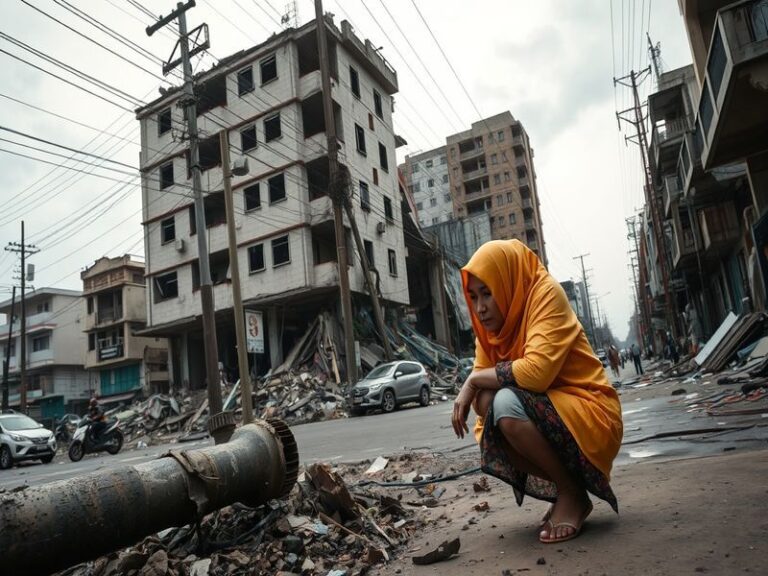
Recognizing Signs of Impending Crises: What to Watch For
Anticipating Trouble: Signs of an Impending Crisis
As we navigate through various aspects of life, it is crucial to remain vigilant about potential threats that could disrupt our daily routines. The signs of an impending crisis can often be subtle, yet they warrant our attention. Understanding these indicators can prepare us for worst-case scenarios and help us mitigate potential fallout.
Identifying Key Indicators
Recognizing the early signs of trouble can be invaluable. Here are some key indicators that something negative may be on the horizon:
- Economic Downturn: Fluctuations in stock markets and increasing unemployment rates can signal a looming recession.
- Political Instability: Heightened tensions in government and public protests can lead to unrest.
- Environmental Changes: Unusual weather patterns and natural disasters often foreshadow larger ecological issues.
- Technological Failures: Cyberattacks and data breaches can indicate vulnerabilities that may lead to larger systemic failures.
Each of these indicators, while concerning on their own, can intertwine to create a multifaceted crisis. For instance, economic instability can lead to political unrest, which can then exacerbate environmental issues through neglect of critical policies.
The Broader Implications of Ignoring Warning Signs
When we overlook these signs, the consequences can be significant. Ignoring economic indicators can lead to job losses and a decrease in consumer confidence. Similarly, political instability can disrupt social structures and community cohesion. The ramifications extend beyond immediate effects, influencing future generations.
Consider the implications of environmental changes. Failure to act on climate warnings can lead to irreversible damage to ecosystems, resulting in loss of biodiversity and increased natural disasters. These events not only affect the environment but also impact human health and safety.
Strategies for Preparedness
While it may seem daunting to face potential crises, proactive measures can help mitigate their impact. Here are some strategies for preparedness:
- Stay Informed: Regularly monitor news and reports related to economic, political, and environmental issues.
- Build a Support Network: Form connections with community members and local organizations to foster resilience.
- Emergency Planning: Develop a comprehensive emergency plan that includes resources for food, shelter, and communication.
- Advocate for Change: Engage in local governance and support sustainable practices to address systemic issues.
By implementing these strategies, individuals can create a buffer against the potential fallout from crises. Awareness and preparedness can significantly lessen the impact of negative events.
Conclusion: The Importance of Vigilance
In a rapidly changing world, staying alert to warning signs is essential. Ignoring indicators of trouble can lead to dire consequences, affecting not only individuals but also entire communities. By recognizing these signs and taking proactive measures, we can better prepare ourselves for any potential crises that may arise. It is vital to remain informed, engaged, and ready to act.
For more insights into societal trends and issues, visit our News and Analysis sections.