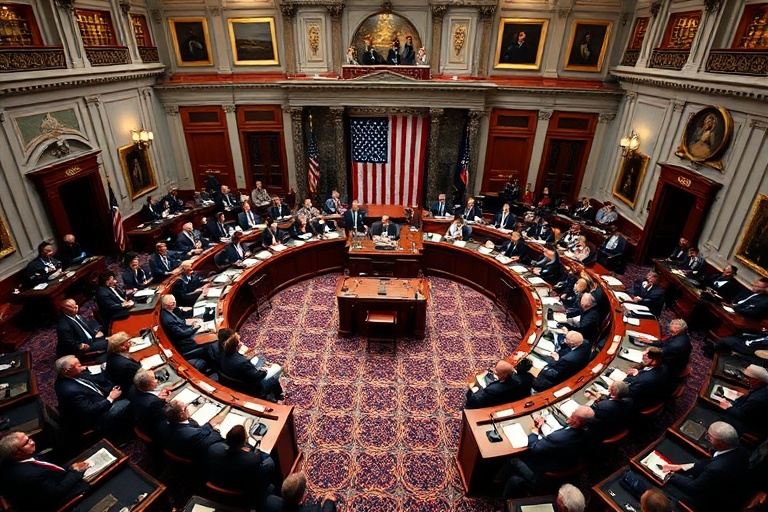
The Conservative Party: A Pillar of Modern Politics
The Conservative Party has long stood as a defining force in democratic governance, shaping policies that balance tradition with pragmatic adaptation. From its historical roots in preserving stability to its contemporary role in navigating global challenges, the party’s influence extends beyond national borders. Understanding its core principles requires examining both its ideological foundations and its evolving strategies in an era of rapid change.
Founded in the 19th century, the Conservative Party emerged as a response to industrialization and social upheaval. Its early mission centered on maintaining order while fostering economic growth—a duality that persists today. Over time, the party has redefined itself, absorbing new factions and adapting to shifting public expectations. This adaptability has allowed it to remain a dominant player in politics, even as other movements rise and fall.
The Ideological Core: Tradition Meets Modernity
At its heart, conservatism emphasizes stability, individual liberty, and limited government intervention. Yet modern conservatism is not monolithic. It encompasses fiscal conservatives who prioritize free-market principles, social conservatives who advocate for traditional values, and national conservatives who focus on sovereignty and cultural identity. This diversity creates both strength and tension within the party.
The party’s relationship with change is complex. While it often resists radical reform, it has embraced gradual evolution—such as market liberalization in the 1980s or environmental policies in recent years. This balancing act reflects a broader tension: how to preserve core values while responding to contemporary demands. The challenge lies in maintaining coherence without alienating key constituencies.
Key Policy Pillars: Where the Party Stands Today
The Conservative Party’s agenda is shaped by a mix of long-standing priorities and emerging issues. Below are the most significant policy areas that define its current direction:
- Economic Policy: A commitment to fiscal responsibility, lower taxes, and deregulation remains central. The party often argues that reduced government interference fosters innovation and growth, though critics point to the risks of austerity measures.
- National Security: Strong defense and border control are non-negotiable for many conservatives. The party frequently emphasizes military strength and strict immigration policies as essential to national sovereignty.
- Social Issues: While positions vary, traditional views on marriage, education, and law enforcement often align with the party’s base. Recent debates over free speech and religious freedom have added new dimensions to this debate.
- Environmental Stewardship: Once skeptical of climate action, the party has increasingly embraced green policies—albeit with a focus on market-based solutions rather than regulatory mandates.
The party’s ability to reconcile these priorities determines its electoral success. For instance, its push for economic growth often conflicts with environmental goals, forcing difficult trade-offs. Similarly, debates over immigration highlight the tension between national security and humanitarian concerns.
Electoral Strategy: Winning in a Fragmented Landscape
Winning elections requires more than strong policies—it demands a compelling narrative. The Conservative Party has historically relied on themes of stability, patriotism, and personal responsibility to connect with voters. Yet in an era of populism and polarization, these messages must compete with competing visions of society.
Recent electoral performances reveal both resilience and vulnerability. The party’s ability to hold urban seats while dominating rural areas demonstrates its broad appeal. However, demographic shifts—such as the rise of younger, more progressive voters—pose long-term challenges. To adapt, the party has experimented with messaging that blends tradition with inclusivity, though critics argue this risks diluting its core identity.
Another critical factor is leadership. Charismatic figures like Margaret Thatcher and Boris Johnson have defined eras, while weaker leaders have struggled to unite the base. The current leadership faces the dual challenge of addressing public discontent over economic pressures while avoiding the pitfalls of extremism that alienate moderate voters.
The Broader Implications: Beyond Party Lines
The Conservative Party’s influence extends beyond its own ranks. Its policies often set the tone for broader political discourse, shaping debates on everything from healthcare to foreign policy. For example, its approach to Brexit reshaped the UK’s relationship with Europe and influenced global trade dynamics.
Internationally, conservative movements in other countries look to the party for inspiration—or caution. The rise of right-wing populism in the U.S. and Europe shares some ideological threads with modern conservatism, though outcomes vary widely. This interconnectedness means the party’s choices reverberate far beyond its borders.
Yet the party also faces scrutiny over its role in widening inequality and eroding trust in institutions. Critics argue that its policies often favor the wealthy while neglecting social equity. Balancing economic growth with fairness remains a defining challenge for its future.
A Look Ahead: Challenges and Opportunities
The road ahead is fraught with uncertainty. Demographic changes, economic instability, and shifting cultural norms all demand new strategies. The party must decide whether to double down on its traditional base or expand its appeal to younger voters. Technological advancements, from AI to social media, also present both opportunities and risks for political engagement.
One thing is clear: the Conservative Party’s ability to evolve without losing its identity will determine its longevity. Whether through bold reforms or incremental adjustments, its next chapter will shape not just a nation, but the broader political landscape.
For those interested in deeper analysis of political trends, explore our Politics and Analysis sections for further insights.