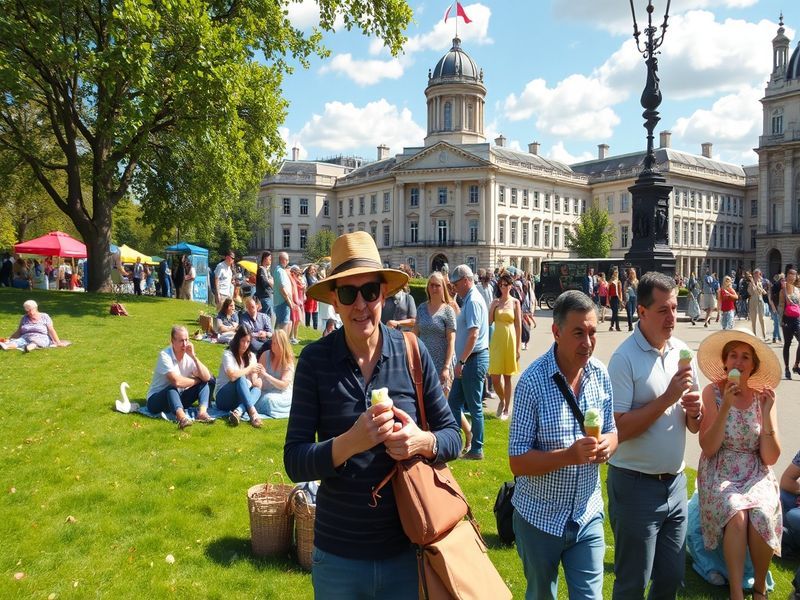
Understanding Bank Holidays in 2026
Bank holidays are designated days when banks and financial institutions close their doors, allowing employees to take a break from work. In 2026, several bank holidays are expected to be observed across various regions, offering an opportunity for individuals to unwind and engage in leisure activities. This article delves into the significance of bank holidays, their historical context, and what to expect in 2026.
Historical Context of Bank Holidays
The concept of bank holidays has its roots in the 19th century. Initially, these holidays were established to provide bank employees with time off, but they quickly evolved into public holidays that affected the wider community. Over time, various countries adopted their own bank holiday schedules, often aligning them with cultural and national celebrations.
In many places, bank holidays serve not only as a pause in the workweek but also as a time for families and communities to gather. They have become integral to social life, providing a rhythm to the calendar year.
Bank Holidays in 2026: Key Dates
As we look ahead to 2026, several bank holidays are anticipated. While specific dates may vary by country and region, here are some key holidays that are likely to be observed:
- New Year’s Day – January 1, 2026
- Good Friday – April 3, 2026
- Memorial Day – May 25, 2026
- Independence Day – July 4, 2026
- Labor Day – September 7, 2026
- Thanksgiving – November 26, 2026
- Christmas Day – December 25, 2026
These holidays often come with their own traditions and customs, making them special for many. For example, Independence Day is celebrated with fireworks and parades, while Thanksgiving is often marked by family gatherings and feasting.
The Economic Impact of Bank Holidays
Bank holidays can have significant effects on the economy. On one hand, they provide a boost to the retail and hospitality sectors as consumers take advantage of the time off to shop, dine out, and travel. On the other hand, businesses that rely on constant financial transactions may face short-term disruptions. Understanding this balance is crucial for both consumers and businesses alike.
Moreover, bank holidays can impact financial markets. When banks close, trading halts, which can influence market performance. Investors often plan around these closures, making it essential to stay informed about upcoming bank holidays.
Planning Ahead: How to Make the Most of Bank Holidays
With bank holidays providing a valuable opportunity for rest and relaxation, planning ahead can enhance the experience. Here are some tips to maximize enjoyment during these days:
- Plan a getaway: Use the extended weekend to explore new places or visit family.
- Engage in community events: Local festivals or activities often take place on bank holidays.
- Take time for self-care: Utilize the time off to recharge mentally and physically.
- Prepare in advance: If traveling, ensure all arrangements are made ahead of time to avoid last-minute stress.
By considering these strategies, individuals can ensure that their bank holiday experience is both enjoyable and fulfilling.
Conclusion
Bank holidays in 2026 promise to be significant days for individuals and communities alike. They offer a chance to take a break from the daily grind, celebrate traditions, and engage with loved ones. As the year approaches, understanding the implications of these holidays—both socially and economically—will help individuals and businesses alike better prepare. Whether it’s enjoying a festive meal or planning a short trip, the potential for memorable experiences is abundant.