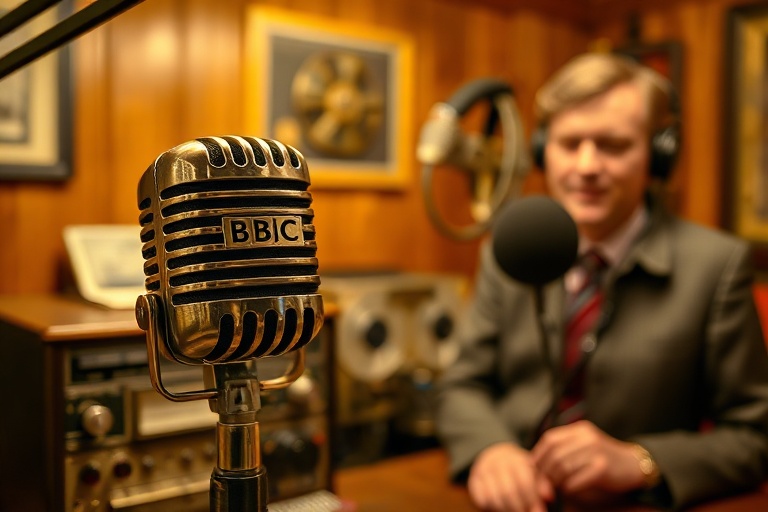
For over half a century, BBC Radio Scotland has served as more than just a broadcaster—it has been a cultural institution, a news lifeline, and a platform for Scottish voices. Since its launch in 1978, the station has evolved from a regional outpost of BBC network programming into a dynamic force that reflects the diversity, creativity, and resilience of modern Scotland. With a lineup that blends hard-hitting journalism, insightful analysis, and vibrant entertainment, it remains a cornerstone of public service broadcasting in an era of fragmented media.
The station’s reach extends far beyond Glasgow and Edinburgh, touching communities from the Highlands to the Borders. Its commitment to local storytelling, Gaelic programming, and in-depth political coverage has cemented its role as a trusted source of information and a champion of Scottish identity. As digital consumption habits shift and new media platforms emerge, BBC Radio Scotland continues to adapt without compromising its core values—accessibility, impartiality, and relevance.
The Evolution of a National Broadcaster
BBC Radio Scotland emerged from the restructuring of BBC’s regional services in the late 1970s. Prior to this, Scottish audiences relied heavily on BBC Radio 4 and BBC Scotland’s television output for news and culture. The creation of a dedicated radio station was a response to growing demand for content that spoke directly to Scottish listeners—content that understood local issues, dialects, and cultural nuances.
In its early years, the station operated with a relatively modest schedule, focusing on news bulletins, music, and light entertainment. However, the 1980s and 1990s brought significant changes. Political devolution in 1999 accelerated the need for a stronger Scottish media presence, and BBC Radio Scotland rose to the challenge. Programmes like Good Morning Scotland and Newsdrive became essential listening for anyone seeking to understand the shifting political landscape of post-devolution Britain.
Today, the station broadcasts across FM, DAB, digital platforms, and the BBC Sounds app. It produces over 5,000 hours of original content annually, including live events, documentaries, and live music sessions. Its digital footprint has expanded dramatically, with podcasts such as The Nine and Breaking the News attracting listeners beyond traditional radio audiences.
Programming That Reflects Scotland’s Diversity
One of BBC Radio Scotland’s greatest strengths is its commitment to programming that mirrors the lived experiences of its audience. The station’s schedule is a carefully curated blend of news, debate, music, and comedy—each segment designed to inform, entertain, or provoke thought.
News and current affairs dominate the daytime lineup. Programmes like Good Morning Scotland and The Afternoon Show provide rigorous coverage of Scottish politics, economics, and social issues. The station’s political editors have become household names, offering authoritative analysis during election cycles and constitutional debates. During the 2014 independence referendum and the 2016 Brexit vote, BBC Radio Scotland played a pivotal role in facilitating informed public discourse.
Beyond news, the station nurtures local talent and amplifies underrepresented voices. Gaelic programming, including the daily Aithris na Maidne and music show Rapal, ensures that Scotland’s linguistic heritage remains alive. Meanwhile, shows like The Kaye Adams Show and Off the Ball bring humor and irreverence to the airwaves, reflecting the country’s love for wit and satire.
The station’s music output is equally diverse. From traditional Scottish folk to indie, rock, and electronic, BBC Radio Scotland supports both established artists and emerging talent. Programmes like The Quay Sessions and Music Republic offer a platform for live performances and interviews, bridging the gap between radio and the live music scene.
Key Aspects of BBC Radio Scotland’s Programming
- News and Current Affairs: In-depth coverage of Scottish politics, including Holyrood, local government, and constitutional debates.
- Gaelic Programming: Dedicated slots for Scotland’s indigenous language, preserving cultural heritage.
- Music and Arts: Support for local musicians, live sessions, and cultural events across genres.
- Comedy and Entertainment: Shows that celebrate Scottish humor and creativity, such as The News Huddle.
- Community Engagement: Local opt-outs and regional programming that reflect the concerns of different Scottish communities.
Challenges and Adaptations in a Digital Age
Like all traditional media outlets, BBC Radio Scotland has faced significant challenges in the digital era. The rise of streaming services, podcasts, and on-demand content has transformed how audiences consume audio. Younger listeners, in particular, are increasingly turning to platforms like Spotify and YouTube for their entertainment and news, often bypassing traditional radio altogether.
In response, BBC Radio Scotland has invested heavily in digital expansion. The BBC Sounds app now offers live streams, catch-up services, and exclusive podcasts tailored to Scottish audiences. Programmes like The Nine, a daily news podcast, have attracted younger listeners who prefer to consume content on their own schedules.
However, the shift to digital has not been without controversy. Critics argue that the BBC’s reliance on digital platforms could marginalize listeners who lack internet access or prefer traditional radio. There are also concerns about the fragmentation of audiences, as digital content often competes with live broadcasts for attention.
Despite these challenges, BBC Radio Scotland has managed to strike a balance. Its digital offerings complement rather than replace its core radio programming. Live broadcasts remain central to the station’s identity, providing a sense of immediacy and shared experience that on-demand content cannot replicate.
The Broader Impact on Scottish Media and Society
BBC Radio Scotland’s influence extends beyond its programming. As part of the BBC’s public service remit, the station plays a crucial role in maintaining media plurality in Scotland. In a media landscape dominated by commercial interests and social media echo chambers, BBC Radio Scotland offers a space for impartial, in-depth journalism—a rarity in today’s polarised environment.
The station’s coverage of Scottish issues has also shaped national conversations. During the independence referendum, its balanced reporting helped inform voters and fostered a culture of civic engagement. Similarly, its focus on rural issues—such as farming, fishing, and transport—has given voice to communities often overlooked by national media.
Moreover, BBC Radio Scotland has been a training ground for some of the UK’s most respected journalists and broadcasters. Alumni include political editors, award-winning documentary makers, and award-winning presenters who have gone on to shape the broader media landscape.
The Station’s Role in Preserving Scottish Culture
In an era of globalisation, cultural homogenisation is an ever-present threat. BBC Radio Scotland acts as a bulwark against this trend by celebrating Scotland’s unique traditions, dialects, and artistic expressions. Whether through Gaelic programming, folk music showcases, or coverage of local festivals, the station ensures that Scotland’s cultural identity is not lost in the noise of globalised media.
Its commitment to local journalism also fosters civic pride and community cohesion. By reporting on hyper-local issues—such as school closures, transport infrastructure, or environmental concerns—BBC Radio Scotland reinforces the idea that every Scottish voice matters.
A Model for Public Service Broadcasting
BBC Radio Scotland stands as a model for what public service broadcasting can achieve. In an age where algorithms dictate what we see and hear, the station offers an alternative: a curated, reliable, and diverse range of content designed to inform, educate, and entertain.
Its ability to adapt to changing audience habits while staying true to its core values is a testament to the skill of its producers, journalists, and presenters. As the media landscape continues to evolve, BBC Radio Scotland’s role as a trusted voice in Scottish life remains as vital as ever.
For listeners across Scotland and beyond, the station is more than just a radio service—it is a companion, a confidant, and a champion of all things Scottish.
As digital consumption grows, the challenge for BBC Radio Scotland will be to maintain its relevance without losing the qualities that have made it indispensable. If it succeeds, it will continue to shape not only Scottish media but Scottish identity itself.
For those interested in exploring other voices shaping Scottish culture and media, visit Dave’s Locker Music or Dave’s Locker Entertainment for deeper insights and curated content.